DO NOT MISS A SINGLE MOMENT OF THE WORLD CUP
Can England truly capture the World Cup title with a defensive line plagued by injuries and lack of experience?
There are numerous convincing arguments suggesting that England could indeed triumph at the 2026 World Cup. With Harry Kane leading the line, they boast arguably the best striker in world football right now. The presence of Declan Rice, one of the Premier League’s premier midfielders, and the tactical acumen of Thomas Tuchel, who has shown brilliance in assembling top attacking talent, also strengthens their case.
However, the defence remains a major concern. If there were ever an England team that epitomised imbalance between attack and defence, this might be it. The offensive line looks sharp and fearsome, but at the back, uncertainty looms large. Tuchel’s preferred back four lacks adequate tournament experience and, in some cases, durability.
Of course, every team has its flaws. Yet, England’s defensive frailties stand out more clearly than those of other contenders and could potentially be their Achilles’ heel.
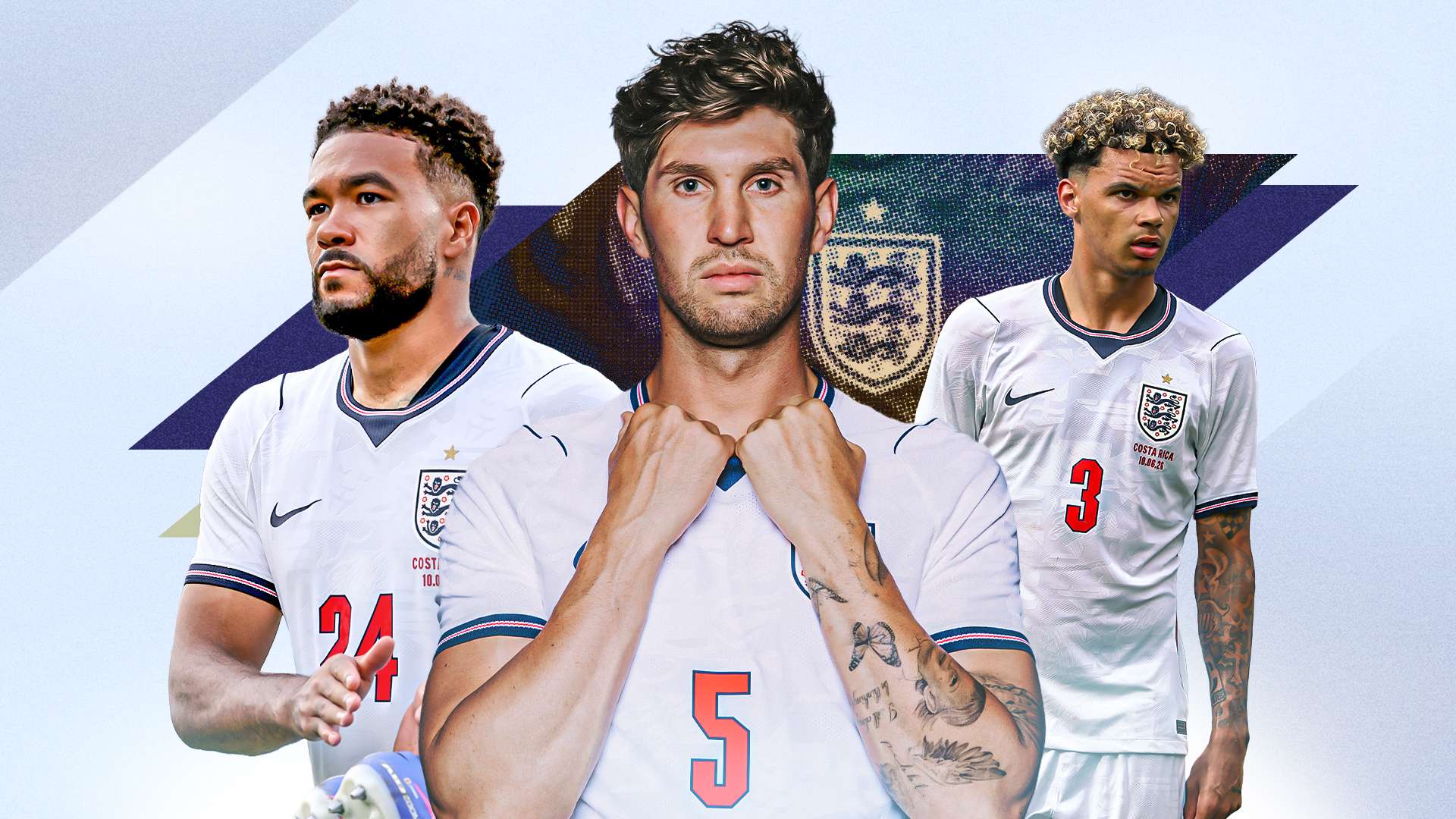
For Tuchel, the challenge lies in finding equilibrium. While former England managers were often criticised for being too cautious, Tuchel’s likely backline of Reece James, John Stones, Ezri Konsa, and Nico O’Reilly hardly appears experienced enough to provide the platform for their attacking stars to flourish.
Indeed, a combination of overworked legs and inexperienced minds might prevent England from achieving the magical summer their fans dream of.
Likely selection
To begin with, England’s most seasoned centre-back, John Stones, will technically be without a club in a few weeks—but that is far from their biggest issue.
The expected defensive quartet for the opening match against Croatia on Wednesday have a combined total of 136 caps, with Stones alone contributing 89 of those. Between James, Konsa, and O’Reilly, there are just four tournament appearances, only two of which were starts.
In essence, England have one vastly experienced defender surrounded by three promising talents, all starting their first major tournament as regulars. James, a complete right-back, remains England’s best option in that position. Konsa played a pivotal role in Aston Villa’s European triumph and Premier League top-four finish, while O’Reilly has emerged as Pep Guardiola’s latest success story.
However, history shows that experience, not just skill, defines championship-winning defences. Italy’s Euro 2021 triumph relied on veterans Giorgio Chiellini and Leonardo Bonucci, both well into their 30s. Argentina’s 2022 World Cup win hinged on Nicolas Otamendi, while Spain’s Euro 2024 campaign featured Dani Carvajal and Aymeric Laporte supporting younger defenders like Robin Le Normand and Marc Cucurella.
Veteran presence
That perhaps explains why Stones remains such a trusted figure. Despite his uncertain club future, the former Manchester City defender has been a constant presence in England’s backline for nearly a decade.
Since the 2018 World Cup, Stones has started every competitive tournament match for England. The Three Lions haven’t played a major tournament fixture without him since their Euro 2016 defeat to Iceland. Managers from Guardiola to Gareth Southgate to Tuchel have valued his intelligence and composure on the ball.
Yet, concerns persist about his fitness. Stones made only 18 appearances for City last season, starting just four games in the Premier League and Champions League combined since November.
Since the 2022–23 season, when he helped City secure a treble, injuries have repeatedly disrupted his rhythm. He has suffered nine different injuries in three years—affecting his calf, thigh, hamstring, ankle, foot, and hip—forcing him to miss 72 matches. Stones even admitted to contemplating retirement during a particularly difficult period.
“It was a tough time when I said that [about retiring], and I hope I never reach that point again,” Stones told BBC Sport. “We can all compare ourselves to others and wonder why certain things happen to us. I had to dig deep, and I’m proud of my mental strength to come through those challenges. One of my greatest achievements is bouncing back stronger each time and performing at a high level.”
Tuchel has noted that match fitness will be crucial for Stones’ participation this summer, though he believes the defender’s intelligence compensates for limited minutes. “If you go to the World Cup, you should be fit,” Tuchel said in March. “When John came to camp, he was fit. He didn’t play much, but his understanding of the game is exceptional. I trust him because I know what he offers in personality, attitude, and tactical awareness.”
Can James stay fit?
While James and Stones differ in style, both face similar struggles with recurring injuries.
There’s no doubt that James is England’s most complete full-back—strong defensively, technically gifted, and adept at crossing. His versatility allows him to play in midfield or even as a centre-back in a back three.
Under Tuchel at Chelsea during the 2021–22 season, James registered nine assists from right-back—second only to Trent Alexander-Arnold among defenders. It’s clear the pair share a strong working relationship.
“I had an amazing time working with the manager at Chelsea, and I’m happy he’s now in charge of the national team,” James said earlier this week.
Remarkably, this will be the 26-year-old’s first World Cup. His only previous major tournament appearance came in the goalless draw with Scotland at Euro 2021. Persistent knee and hamstring issues have sidelined him from major competitions. Before Tuchel’s arrival in March 2025, James had played just five minutes for England since September 2022 due to those recurring injuries.
Although he managed 29 Premier League appearances last season—his highest since 2022—his six-week absence in the spring due to another hamstring problem remains concerning.
With Alexander-Arnold omitted and both Kyle Walker and Kieran Trippier retired, the gap in quality behind James—filled by Tino Livramento or Djed Spence—is stark. Tuchel will be hoping James’ body holds up over the coming month.
Rising star
England’s left flank has long been problematic. At Euro 2024, the lack of a natural left-footed defender forced Trippier to deputise, limiting England’s width and attacking rhythm until Luke Shaw returned from injury, albeit not fully fit.
Now, Nico O’Reilly’s emergence provides fresh hope. The Manchester City youngster, a product of Guardiola’s tactical innovation, has transitioned from midfield to left-back with remarkable success.
Originally an attacking midfielder, O’Reilly flourished as an inverted full-back last season, making 40 appearances in that role. His evolution into a more traditional defender seems nearly complete.
Tuchel is clearly impressed. “There’s no doubt Nico O’Reilly will become a top player,” he told BBC. “His rise has been incredible—creating a new interpretation of the left-back role. He has the body, talent, and mentality to reach the top. Whether he stays at left-back or moves into midfield, he’s destined for greatness.”
However, questions remain about his defensive reliability. Accustomed to City’s possession-heavy style, O’Reilly has rarely faced sustained defensive pressure. How he copes against elite wingers like Lamine Yamal, Michael Olise, or Raphinha could define England’s fate. His struggles against Fede Valverde in City’s Champions League defeat to Real Madrid in March highlight the steep learning curve ahead.
Centre-back dilemma
Harry Maguire’s exclusion from the squad sparked controversy, particularly after he revealed Tuchel’s decision before the official announcement, prompting backlash from his family.
The omission was surprising given Maguire’s strong performances for England since 2018 and his resurgence under Michael Carrick at club level. Nonetheless, Tuchel opted for alternatives. Marc Guehi settled well at Manchester City after moving from Crystal Palace, while Konsa’s impressive season with Aston Villa—including a Europa League title—cemented his place.
Although Guehi was expected to partner Stones, Tuchel has leaned towards Konsa, who started six of England’s eight qualifiers. The manager even mentioned Konsa ahead of Guehi and Maguire in earlier interviews.
At 28, Konsa isn’t inexperienced but has just 20 caps and one tournament start—filling in for the suspended Guehi against Switzerland in the Euro 2024 quarter-final. His pace and composure complement Stones well, but the partnership remains untested at the highest level.
Are they good enough?
Tuchel’s approach clearly reflects a desire for renewal. Yet, balancing risk and reward remains tricky. Individually, England’s defenders are talented, but collectively, their vulnerabilities—whether fitness, form, or inexperience—pose a risk.
Still, England’s midfield and attack are world-class, and they have a seasoned goalkeeper to provide some stability. Their dominance in possession and scoring threat could initially mask defensive shortcomings.
The real test, however, will come in the tournament’s decisive moments. Tuchel, after making several bold choices, will have to hope his young and fragile defence can rise to the occasion.
How far can England go at the World Cup?