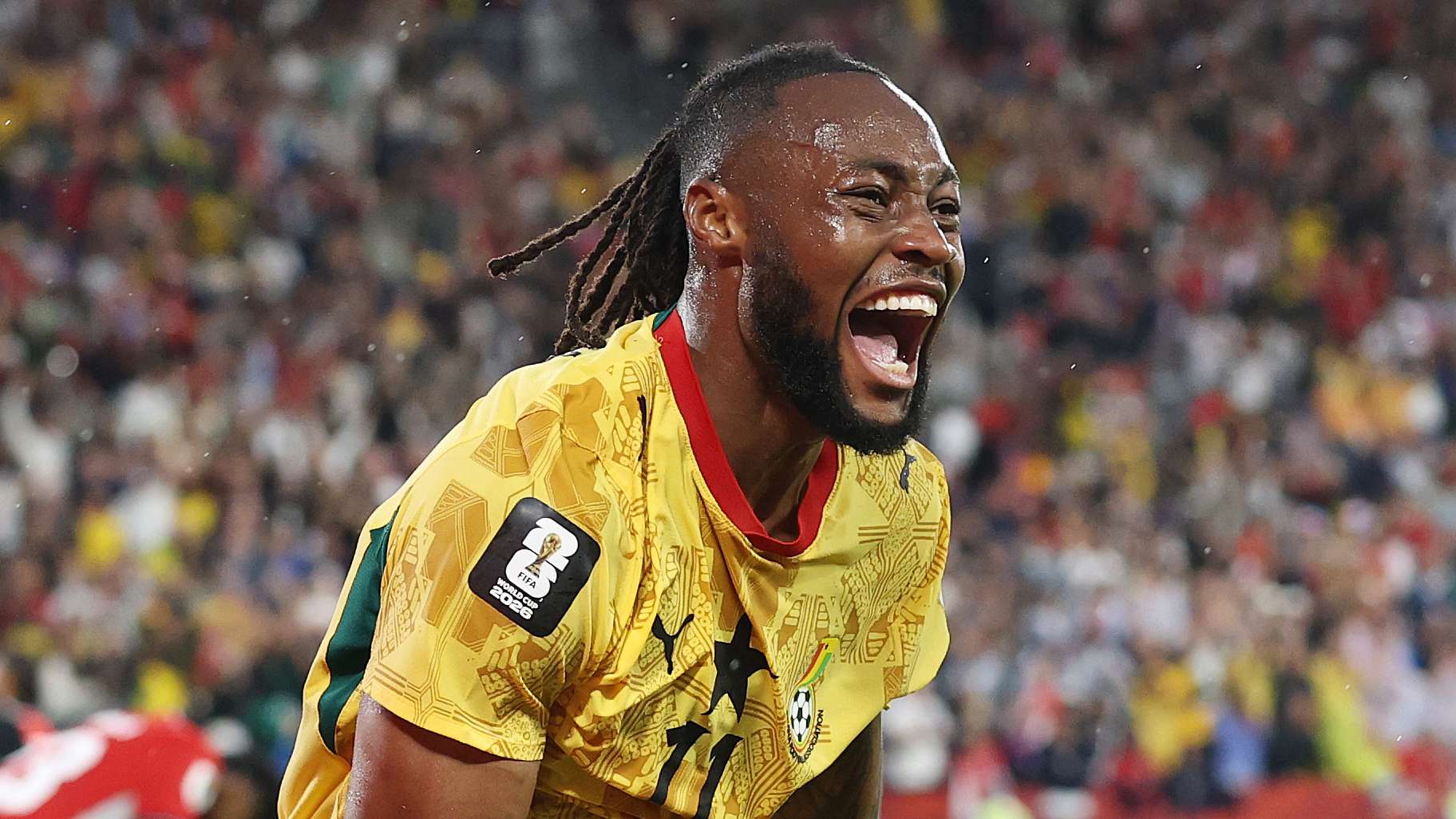
Arsenal have sent a strong group of players to North America for this summer’s major football event, showcasing the club’s global representation at the World Cup.
The Gunners boast 15 participants in the tournament, with 11 already seeing action as their nations began their campaigns on football’s grandest platform.
While Mikel Arteta’s defenders were standout performers throughout the club season, that dominance has yet to fully translate onto the international stage.
Gabriel and Piero Hincapie endured difficult starts to the competition, whereas Viktor Gyokeres and Kai Havertz wasted no time in finding the net for their respective sides.
Standard Sport analyses how each Arsenal player has fared so far in the tournament.
The Englishman’s precise set-piece delivery has suddenly become a national talking point. His consistency from corners was exceptional, leaving Croatia unable to cope. He assisted Harry Kane’s goal and could easily have had more, had Nico O’Reilly been more clinical. He was later substituted due to discomfort in his hamstring and lower back.
Persistent Achilles issues meant he was only fit enough to make the bench against Croatia.
Despite limited minutes, he made a strong impression after coming on. His clever turn near the touchline initiated the move that led to Marcus Rashford’s goal, and he followed up with a pinpoint pass to complete the play.
Benefitting from Bukayo Saka’s uncertain fitness, he was handed a starting role for England. He showed sharp instincts to win the penalty for the opening goal and remained a constant menace down the right flank. One superb cross into the six-yard box was nearly converted by Jude Bellingham.
Noni Madueke’s inclusion in England’s starting lineup against Croatia surprised many but proved effective.
Viktor Gyokeres partnered Alexander Isak in attack as Sweden opened their campaign with a commanding 5-1 victory over Tunisia. Gyokeres contributed both a goal and an assist, leading all players in shots. After Tunisia’s defensive lapse, he raced clear and finished confidently.
William Saliba started for France against Senegal despite pre-match concerns about a back issue. Nicolas Jackson tested him repeatedly, and although there were moments of uncertainty, Saliba made a crucial last-ditch challenge to deny Ismaila Sarr a clear run on goal.
Kai Havertz showed composure and precision in front of goal, converting from the spot before adding a delightful chipped finish. The German forward, often criticised for inconsistency in finishing, demonstrated greater sharpness here. Only Lionel Messi has scored more goals than Havertz at the 2026 World Cup.
Martin Ødegaard was on set-piece duty for Norway, taking in-swinging corners — a responsibility he doesn’t typically assume for Arsenal. One of his superb deliveries led directly to Norway’s third goal, a moment that might have caught Arsenal’s set-piece coach Nicolas Jover’s attention.
Leandro Trossard played the full 90 minutes in Belgium’s draw against Egypt, operating mainly on the right but occasionally switching to the left. He missed a good chance when slicing a shot wide from a cut-back, though his link-up play featured several clever touches and flicks. However, he lacked decisiveness inside the box.
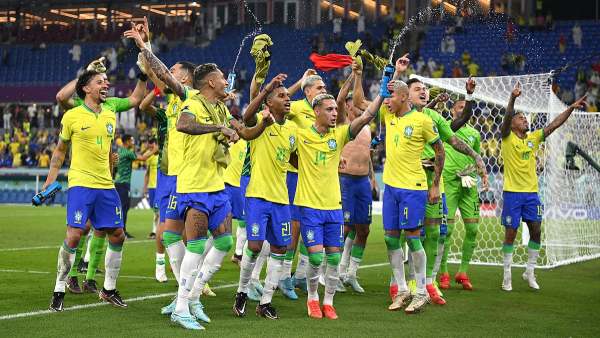
Gabriel Magalhães struggled in Brazil’s opener against Morocco. He was found out of position for Morocco’s goal and appeared off the pace throughout the match. While he remained solid in aerial duels, his defensive isolation exposed uncharacteristic vulnerabilities.
Piero Hincapie also endured a difficult outing, unable to contain his opponent’s pace. Although he led all players in tackles, he was dribbled past four times — a surprising statistic given that he was beaten only 19 times across the entire last season for Arsenal.
Pedri came off the bench for the final 20 minutes of Spain’s goalless draw with Cape Verde. He nearly made an impact immediately, forcing a save with a quick swivel and shot. The cameo represented another encouraging step in his recovery from long-term injury.
Unused substitutes for this round included Eberechi Eze, David Raya, Martin Zubimendi, and Gabriel Martinelli.