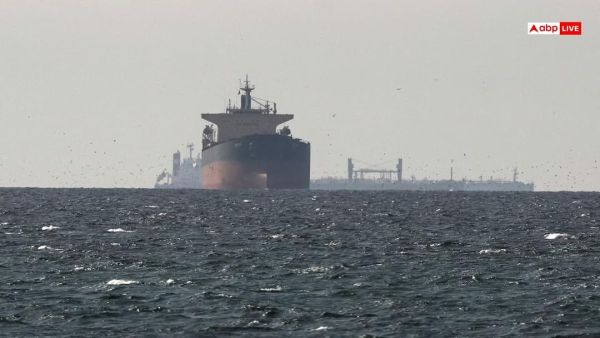
Oil tankers resumed passage through the Strait of Hormuz on Thursday after the United States announced it had lifted its blockade on Iran, marking the start of an interim agreement aimed at ending months of conflict between Washington and Tehran.
The development immediately eased concerns in global energy markets. Oil prices fell to their lowest level since March 2, with analysts suggesting that exports through the strategically vital waterway could gradually return to normal levels in the coming months. The Strait of Hormuz handles roughly one-fifth of the world's oil supply, making any disruption there a major concern for global markets.
Despite the breakthrough, significant disagreements remain unresolved. The agreement has created a temporary framework for negotiations, but questions persist about whether the fragile arrangement can hold as tensions continue across the wider region.
The reopening of the Strait of Hormuz delivered a boost to market confidence, helping drive oil prices lower as traders anticipated a more stable flow of crude exports.
Analysts said the return of shipping traffic through the narrow waterway could help restore supply chains that had faced uncertainty during the conflict. The route remains one of the most critical energy corridors in the world.
However, Iran indicated it would continue exercising authority over the strait during the 60-day negotiation period. Iranian officials said permits would still be issued and vessel movements directed, although no fees would be charged during that time.
Even as the interim deal took effect, political criticism emerged in Washington. Some Republican allies of President Donald Trump questioned whether the administration had conceded too much in exchange for ending a conflict that has proved unpopular with American voters.
Meanwhile, Iran's Supreme Leader Ayatollah Mojtaba Khamenei struck a defiant tone. He argued that Trump had signed the agreement "out of desperation" and warned that upcoming discussions on Iran's nuclear programme would be difficult.
"If the American side wants to be too demanding, we will not accept it," Khamenei said in a written message, underscoring the challenges negotiators are expected to face in the weeks ahead.
Under the agreement, negotiators have been given 60 days to reach a settlement on the future of Iran's nuclear programme. The deal also establishes a $300 billion reconstruction fund for Iran and includes additional financial incentives.
US Vice President JD Vance, who will lead the American delegation, said Washington would seek limits on Tehran's long-range missile capabilities as part of the negotiations.
The nuclear issue remains central to the talks. When Trump launched the conflict nearly four months ago, he said his objectives included dismantling Iran's nuclear weapons programme, curbing its ability to threaten neighbouring countries, ending support for allied militant groups and creating conditions for political change inside Iran.
Although Trump initially demanded Iran's "unconditional surrender," the final agreement was signed without those goals being achieved.
US officials maintain that the negotiations could still produce a robust agreement on Iran's nuclear activities. They argue that the diplomatic process remains the best path forward.
Critics, however, contend that Iran enters the talks from a stronger position. They point to Tehran's ability to withstand military pressure, maintain influence over the Strait of Hormuz and secure significant sanctions-related concessions as evidence that the balance of leverage may have shifted during the conflict.
Complicating matters further, Israel continued its military campaign against Hezbollah in Lebanon, raising fresh uncertainty about regional stability and whether the broader agreement can withstand new pressures in the months ahead.