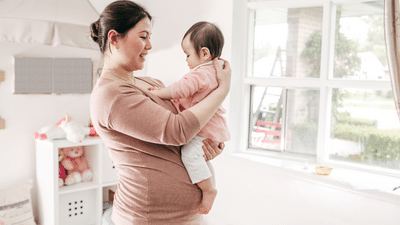
Your post-pregnancy belly bulge is also called “Diastasis recti”. It simply means your abdominal muscles have separated down the middle.
How Pregnancy Causes Abdominal Muscle Separation
During pregnancy, your growing baby stretches the tummy, and sometimes the left and right “six‑pack” muscles pull apart. After delivery, this separation can leave your belly looking loose, bulgy, and less toned.
Why Core Muscles Matter After Childbirth
When the core muscles separate, they can’t support the spine properly. This forces your back muscles to work harder, often leading to back pain and other related health problems.
Signs and Symptoms of Diastasis Recti
The most common clue is a belly bulge that still looks pregnant months after childbirth. Other possible signs include:

- A soft or protruding stomach that doesn’t flatten with exercise
- Lower back pain
- Pain in the hips or pelvic region
- Poor posture
- Trouble lifting or carrying heavy objects
- Constipation or digestive issues
- Sexual discomfort
- Urine leakage while coughing or sneezing
Why Diastasis Recti Matters Beyond Appearance
Many moms first notice diastasis recti because of the belly bulge that doesn’t go away with healthy eating or exercise. But this isn’t just about looks; it can affect your health in important ways:
- Weak Core Support: Separated muscles mean your core loses strength, making it harder to support your spine (backbone)
- Back Pain: Without strong core support, the back takes on extra strain, leading to tiredness and pain.
- Pelvic Floor Problems: This can cause issues such asurine leakage when you cough or sneeze, constipation, or sexual discomfort.
Risk Factors for Diastasis Recti After PregnancySome women are more likely to develop diastasis recti due to:
- Having pregnancies that occur close together without much recovery time in between.
- Carrying multiples, such as twins or triplets.
- Delivering babies who are larger or heavier.
- Vaginal delivery
- Having weaker pelvic floor or core strength before pregnancy
How to Check for Diastasis Recti at Home
If you notice signs that make you suspect diastasis recti, a simple self‑check can help you find out:
Step-by-Step Self-Test
Lie down flat on your back with your knees bent.
Place your fingertips just above your belly button, pointing toward your pelvis, and press gently.
Lift your head slightly off the floor (about an inch), keeping your shoulders relaxed on the ground.
If there’s a separation, you’ll feel a gap between the muscles. A space wider than two fingers (around one inch) usually indicates diastasis recti.
Can We Prevent Diastasis Recti?
There are no evidence-based ways to prevent Diastasis recti, but having strong core muscles makes recovery much smoother.
Benefits of Pelvic Floor Therapy
Staying active and focusing on pelvic floor and hip strength throughout pregnancy helps the body bounce back faster after birth. Working with a pelvic floor physical therapist has also been shown to reduce both the severity and size of the muscle separation.
Treatment and Recovery for Diastasis RectiHealing diastasis recti takes time, patience, and the right approach.
- Physical Therapy: Postpartum therapists can guide you through safe, targeted exercises that rebuild core strength.
- Lifestyle Adjustments: Gentle, low‑impact workouts, avoiding heavy lifting, and practising good posture can ease symptoms.
- Alternative Practices: Yoga and Pilates, which emphasise controlled movement and core stability, may benefit many moms.
- Surgery (Abdominoplasty/Tummy Tuck): In severe cases, doctors may recommend surgery to bring the muscles back together and remove excess skin.
- Nutrition Support: Eating a balanced diet rich in protein, vitamins, and minerals helps strengthen muscles and aids healing.
Diastasis rectiis a common postpartum condition that affects many women. Physical therapy and lifestyle adjustments can make a big difference, and in more severe cases, medical options are available.
Most importantly, healing takes time. Your body has carried and nurtured life, and recovery is a gradual process. With patience, support, and the right guidance, you can rebuild strength, ease discomfort, and feel confident in your body again.
Whether you’re pregnant, a new mom, or navigating postpartum, you don’t have to do it alone. Join our support group
to connect, share, and support one another.
FAQs on Why Does Your Belly Still Look Pregnant Months After Delivery?
Can diastasis recti go away on its own?
For some women, mild cases improve naturally within a few months after delivery as the body heals. However, many moms benefit from physical therapy to help the muscles come back together. Severe cases may need medical intervention.
Is diastasis recti the same as weight gain?
No. Diastasis recti is a separation of the abdominal muscles, not extra fat or weight. That’s why healthy eating and regular workouts alone may not flatten the belly bulge; it’s a muscle issue, not just a weight issue.
Can exercise make diastasis recti worse?
Yes, intense abdominal exercises like crunches or sit‑ups can strain the muscles and widen the gap. That’s why it’s important to follow safe exercises designed for postpartum recovery, ideally under the guidance of a therapist.