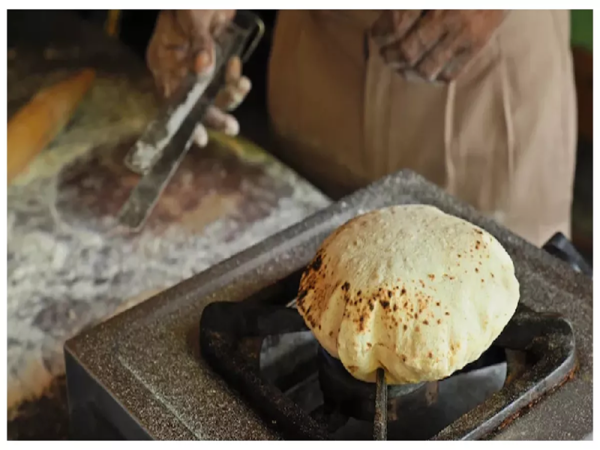
In Indian culture, food is regarded not merely as a means to satisfy hunger but as a sacred act. This is why the kitchen is considered the most important and auspicious part of the home. Sanatan traditions, religious scriptures, and Vastu Shastra outline various rules regarding food preparation—guidelines that many people still observe today. Certain dates are considered significant, with specific beliefs surrounding the preparation of *roti* (flatbread) or other food items on these days. Since these days emphasize spiritual practice, fasting, and worship, it is advised to exercise restraint in one's diet.

Astrologer Akhilesh Pandey explains that, according to religious beliefs, Ekadashi is a key day when many people abstain from consuming grains. There is a tradition of fasting on this day, which is dedicated to Lord Vishnu. It is believed that consuming *phalahar* (fruit-based or non-grain foods) on Ekadashi is more auspicious than eating *roti* or other dishes made from grains.
**Prohibition on making *roti* on Mahashivratri**
Similarly, the festival of Mahashivratri is dedicated to the worship of Lord Shiva. On this day, too, many devotees observe a fast and spend the day in prayer and rituals. It is believed that consuming a simple, *sattvic* diet—or strictly *phalahar*—is more beneficial on this day; consequently, many households do not prepare regular *roti*.
Amavasya (the new moon day) also holds special religious significance. In Hinduism, this day is associated with remembering and offering *tarpan* (ritual offerings) to one's ancestors. In some regions, there is a belief that special care should be taken regarding the preparation and consumption of food on Amavasya. Many people eat simple meals on this day, while others avoid preparing specific food items for religious reasons.
Various dietary rules are also observed during *Shradh Paksha* (the fortnight dedicated to ancestors). This period is devoted to honoring and remembering those who have passed away. Many people abstain from *tamasic* food and prepare only *sattvic* meals. In some places, the tradition involves preparing special *bhog* (offerings) and *prasad* instead of making regular *roti* or standard meals.
Rules Regarding Making Roti on Purnima
The day of Purnima (full moon) is also considered spiritually significant. Many people observe a fast and worship the Divine on this day. According to religious beliefs, adopting a *Sattvic* (pure and harmonious) lifestyle and keeping one's diet simple on Purnima foster the flow of positive energy. For this reason, the act of making *roti* is not considered auspicious on this day.

According to Vastu Shastra, maintaining cleanliness, cultivating positive thoughts, and adhering to specific guidelines while cooking in the kitchen are considered extremely important. It is believed that the mindset or intention with which food is prepared impacts the entire family. Consequently, a tradition evolved to prioritize restraint, worship, and spiritual activities on such special days.
PC Social Media