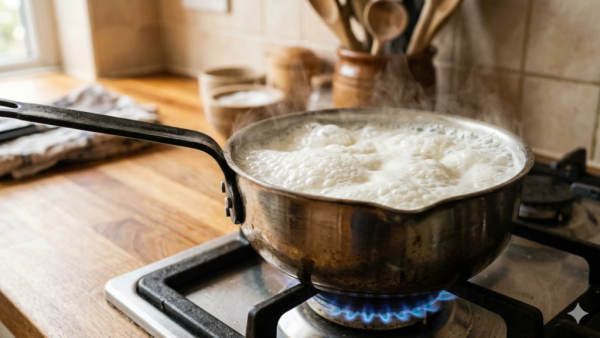
Milk is one of the most used ingredients in every household, but it can spoil quickly during the summer months. High temperatures create the perfect environment for bacteria to grow, which can affect the freshness, taste, and quality of milk. Whether you use milk for tea, coffee, cooking, or drinking, proper storage is important to keep it safe and fresh for longer. A few simple precautions can help prevent souring and reduce food waste. From choosing the right storage container to keeping your refrigerator at the right temperature, small habits can make a big difference. Here are five practical tips to store milk properly during summer and maintain its freshness for as long as possible.
Photo Credit: Unsplash
Milk should be placed in the refrigerator as soon as you bring it home. Leaving it at room temperature, even for a short time during hot weather, can speed up bacterial growth. Quick refrigeration helps maintain freshness and quality.
Avoid storing milk in the refrigerator door, as the temperature there changes frequently when it is opened. Place it on an inner shelf where the temperature stays more stable. This helps milk remain fresh for longer.
If you transfer milk from its original packet, always use a clean and airtight container. Exposure to air can affect the flavor and increase the risk of contamination. Properly sealed containers help retain freshness and prevent odors from other foods from entering the milk.
Heating milk several times and then cooling it again can reduce its shelf life. Instead, take out only the amount you need and keep the remaining milk refrigerated. This simple habit helps maintain its quality and taste.
5. Check Refrigerator Temperature Regularly
A refrigerator that is not cold enough may cause milk to spoil faster. Make sure the appliance is working properly and maintaining a consistently cool temperature. Regular checks can help prevent spoilage, especially during summer.
Proper storage habits can help keep milk fresh, safe, and flavorful even during the hottest summer days, while also reducing waste and ensuring better-quality dairy for everyday use.