As parents try to soak up the present moment with their children as much as they can, they simultaneously look towards the future and wonder what their kids will go on to achieve. It turns out they might be able to predict some things earlier than expected.
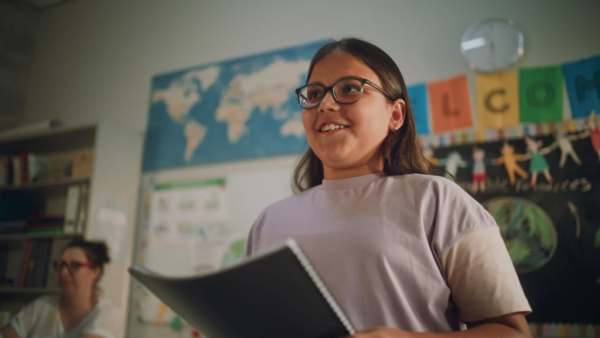
A study published in the journal Developmental Psychology found that you can tell how a child will perform academically when they’re older, including whether or not they’ll make it through college, by watching their behavior in third grade. This offers an inside look at their self-regulation, which can indicate the educational path they’ll take.
Researchers focused on a group of 747 children who were part of a national study, an analysis from PsyPost noted. In third grade, the kids wore accelerometers around their waists while they were in school. These devices kept track of their movement, making them something like an early iteration of a smart watch.
Gustavo Fring | Pexels
The authors of the study explained, “We focused on third grade because it marks a transition to middle childhood and greater independent control of behavior.” Unsurprisingly, they discovered that the students grew more restless as the day wore on. They wondered if this played a factor in what the kids would go on to do with the rest of their education.
Scientists found that the students who had a harder time regulating their movement as the day progressed also didn’t test as well in third grade. As for the future, those same students were less likely to pursue higher education. The kids who had greater self-control were 20% more likely to graduate from college.
: Parents Of The Most Successful People Teach These Basic Life Skills Before Their Kids Leave For College
They used the accelerometers for the experiment because they felt like it was more accurate than teachers’ observations, which is technically true, but not all movement in the classroom is bad. The devices were supposed to only pick up on “large bodily shifts that can disrupt traditional classroom tasks,” but there was no way to ensure that was foolproof.
 RDNE Stock project | Pexels
Additionally, regulating your physical activity is completely different from regulating your emotions. The study can’t account for how emotional regulation or dysregulation impacted students’ achievements because there’s not an easy way to scientifically measure that, especially among third graders.
Still, Andrew E. Koepp, an assistant professor of applied psychology and the lead author of the study, thought their findings were notable. He summarized, “Interestingly, those who could ‘keep it together’ for longer tended to do better in school and were more likely to achieve educational success long-term.”
: Admissions Advisor Warns Of A Trend Affecting How Students Choose Which College To Attend
In 2025, only 35% of Americans said they felt like obtaining a college degree was “very important,” which Gallup said was a “new low.” These days, going to college typically means taking on an astronomical amount of debt without knowing for sure that you’ll be able to land a job that’s to your degree when you graduate, so people are pretty disillusioned.
Economic experts think that there are still more advantages to getting a bachelor’s degree than there are disadvantages, but it’s not a realistic option for every student. A lot of kids don’t have the financial means to go to college, especially right after high school graduation without working for a few years first.
 Andrea Piacquadio | Pexels
That could certainly skew the data these researchers collected. Maybe students who physically moved around less did have a higher chance of finishing college, but going to college isn’t seen as necessary as it once was overall, making it hard to measure.
It does just make sense that a student with stronger self-control would do better and go farther in school, though, even if it feels a bit stereotypical.
: Gen X Mom Asks ‘Where Did The American Dream Go?’ As She Explains How Much Her Kids Have Struggled Since Graduating College
Mary-Faith Martinez is a writer with a bachelor’s degree in English and Journalism who covers news, psychology, lifestyle, and human interest topics.