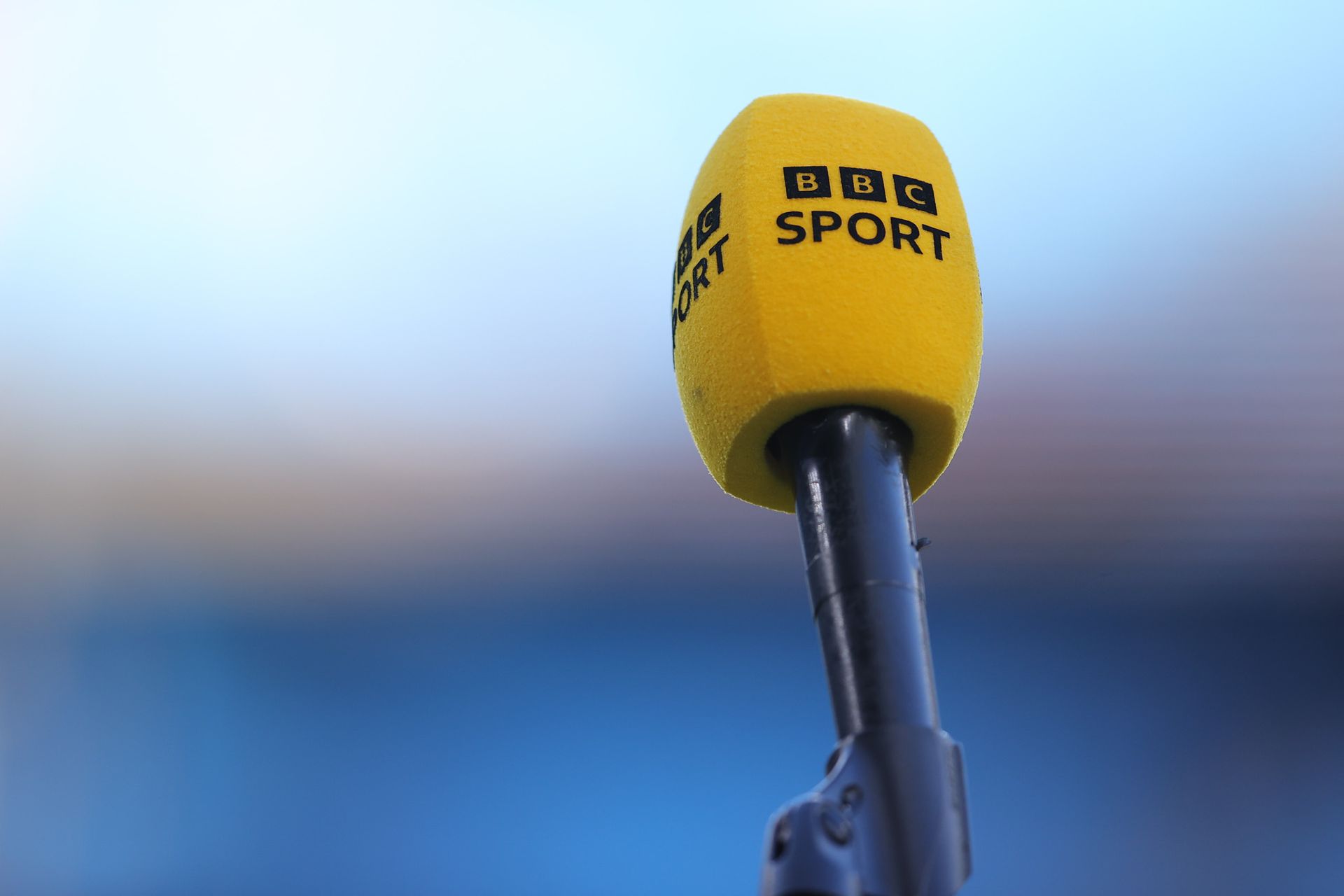
The opening week of the World Cup has sparked a remarkable surge across BBC Sport’s digital platforms, marking a major success story for the broadcaster.
According to the BBC, Wednesday, 17 June, recorded the highest single-day traffic on the BBC Sport app in nearly two years.
Not since the memorable sporting Sunday of 14 July, 2024—when Carlos Alcaraz battled Novak Djokovic in the Wimbledon final just hours before England clashed with Spain in the European Championship decider—had the BBC Sport app seen such heavy usage.
On Wednesday alone, more than three million accounts accessed the app for live text updates, video highlights, and analytical content spanning football, cricket, and tennis.
The surge in user activity comes amid an ongoing ratings contest between the UK’s main World Cup broadcasters, the BBC and ITV.
The two channels have adopted dramatically different strategies for their coverage of the tournament.
While ITV has opted for high visual impact with an open-air studio built in Brooklyn, New York—framing its pundits against the Manhattan skyline—the BBC has chosen a more restrained and cost-efficient approach.
The corporation decided to base its primary presentation team at its headquarters in Salford, Greater Manchester. BBC presenters will remain in the UK during the group stages and are only expected to travel to North America once the knockout rounds commence.
However, the BBC’s decision to anchor its main coverage in Salford has done little to affect public enthusiasm for its digital platforms. Over the first seven days, World Cup highlights were streamed 11.6 million times—a 197% increase compared to the opening week of Euro 2024.
Social media engagement also soared, with BBC Sport content attracting a staggering 235 million views across its digital channels.
The most-watched clip of the week featured Netherlands captain Virgil van Dijk discussing mid-match hydration breaks, which alone drew 13.1 million views.
Viewer habits are clearly shifting, with audiences showing a growing preference for interactive and multimedia formats over traditional television broadcasts. The BBC Football Daily video podcast drew nearly 250,000 streams for a single episode and consistently attracts more than 100,000 viewers per upload on BBC iPlayer.
In addition, the broadcaster’s newly launched second-screen '3D Experience' tool was accessed over one million times during its first week, driven largely by younger audiences. On the live broadcast side, technology-driven milestones were achieved when France’s group-stage match against Senegal reached more than 600,000 concurrent streams, setting a new record for the largest Ultra High Definition (UHD) streaming event in BBC history.
“Alongside the millions tuning in for live games—even in the early hours—it’s fantastic to see the demand for our on-demand World Cup content skyrocket,” said Alex Kay-Jelski, BBC Director of Sport. “Whether it’s our spoiler-free highlights, the visualised Football Daily podcast, or our new short-form video feature, we’re ensuring that audiences can enjoy the World Cup content they want, whenever they want it.”