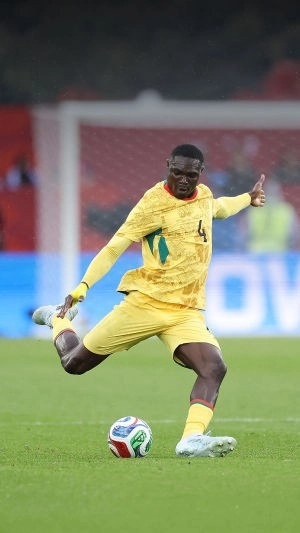
Ghana delivered a resolute and disciplined defensive performance to hold England to a 0-0 draw in their second Group L match at the 2026 FIFA World Cup on Tuesday night in Foxborough.
After a lacklustre showing against Panama, Carlos Queiroz's side needed a response, and they got one. The Black Stars set up in a deep low block from the first whistle, frustrating England's attack and cutting off any attempts to breach goalkeeper Benjamin Asare, who was making his World Cup debut.
England dominated possession, enjoying nearly 80% of the ball for large stretches, but struggled to carve out clear chances. Remarkably, neither side registered a shot on target before half-time—a first for this tournament.
It wasn't until late in the second half that Harry Kane had the clearest sight of goal, but he blazed over from close range, shortly after Asare had produced a stunning save to deny Bukayo Saka. The Hearts of Oak shot-stopper, making history as the first Ghana Premier League goalkeeper to start a World Cup match, showed cat-like reflexes to palm Saka's fierce effort to safety.
Ghana also had their moments. Prince Kwabena Adu was denied a clear penalty after Ezra Konsa's reckless challenge in the box, but the referee waved play on, much to Ghana's frustration.
The result leaves Ghana all but certain of progress to the knockout stage. A win against Croatia in their final group game could even see them top the group, depending on England's result against Panama.
Ghana have long been known as the "Brazil of Africa" for their attacking flair, which made Queiroz's conservative approach a concern for many fans. However, Tuesday's display silenced the doubters.
The Portuguese coach orchestrated a textbook defensive masterclass. Ghana were compact, disciplined, and rarely deviated from their low block, making life miserable for England's attackers. While they sacrificed possession, they retained a dangerous counter-attacking threat that kept England honest.
This was a level of defensive organisation rarely seen even in Ghana's golden eras of defenders like Joseph Carr, Opoku Nti, and Tony Baffoe. The result justified the approach, but Queiroz knows he walks a tightrope if he persists with such negativity.
Benjamin Asare made history as the first domestic-based goalkeeper to start a World Cup match for Ghana, and he proved he belonged. Protected superbly by his back four for most of the game, he stood tall when called upon.
His defining moment came late on when Saka found space on the edge of the box and unleashed a shot destined for the bottom corner. Asare, with two players blocking his view, reacted with lightning reflexes to palm the ball 10 yards clear. Lawrence Ati-Zigi may have genuine concerns about his starting spot upon his return from injury.
While veterans Thomas Partey and Jordan Ayew provided leadership, it was Ghana's young guns who truly impressed against world-class opposition.
Jonas Adjetey and Jerome Opoku were outstanding, effectively neutralising England's attack, with Adjetey looking entirely comfortable against Kane. Caleb Yirenkyi showed maturity beyond his years, Marvin Senaya held his own against elite attackers, and Sibo handled his midfield duties with composure. Substitute Prince Kwabena Adu added attacking threat and was unlucky not to win a penalty.
This performance suggests the future is bright for the Black Stars.
Queiroz and his players celebrated a well-earned point, and rightly so. This was a result that silenced critics of their defensive approach.
However, Ghana's identity is built on attacking football, and while the result was positive, the job is not finished. With four points, they are all but guaranteed progress, but a positive result against Croatia—ideally a win—is still needed. The Croatians are well within Ghana's reach, and expectations will be for the Black Stars to revert to their traditional attacking style in that decisive encounter.