How To Know If Your Protein Powder Is Genuine: As soon as you open social media, there is a flood of health experts. Where he gives various types of suggestions. Health experts say that it is necessary to take protein powder to meet the protein requirement of the body, but it is also true that there are a lot of brands selling protein powder in the market.
In such a situation, how to know which brand and its product is Genwin? Here are some methods to identify real and fake proteins, following which you can also check the purity of the protein.
Don’t just go by flashy branding or packaging. You should turn the packet over and look carefully at the list of ingredients present in it. From the list of ingredients, you will know your requirement and the material used in manufacturing the product, which will make it easier for you to choose.
It should contain whey protein isolate, whey protein concentrate, whey protein hydrolyzate or a mixture of all three. If it is a plant-based protein powder, its 100% protein source should be from either pea, soy, or brown rice. These are the hallmarks of true protein powder. If the ingredient list is not clear, it may be questionable and of low quality. Such products are less effective.
The clearer the protein label, the more authentic the protein powder will be. For its identification, P protein, casein protein, whey hydrolyzate, soy protein isolate, brown rice protein, whey protein isolate and whey protein concentrate.
If the label says just protein powder, protein blend, or muscle formula, it may just be a health drink and not pure protein powder. Therefore, if a protein does not provide clear information about its type and only provides general information, then it is not a pure protein supplement. There may be adulteration in it.
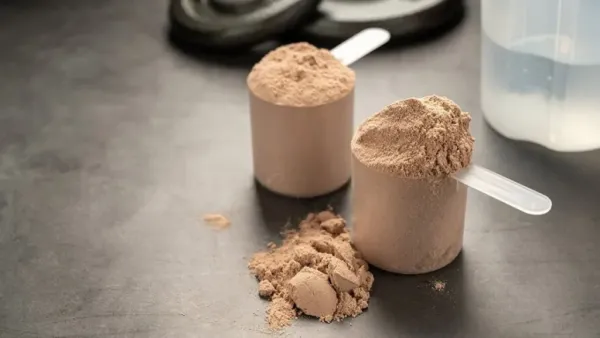
The next metric is protein per scoop, which is how much protein you’re actually getting in a serving. A good protein powder contains 24 to 30 grams of protein per scoop. If it is less than this, it is adulterated and is not pure powder.
If the protein powder contains too much maltodextrin, dextrose, corn syrup solids, and warnings about ingredients like artificial flavors and added sugars. This means that the product does not focus solely on protein, but instead focuses more on improving taste, texture or shelf-life, which reduces its nutritional value.