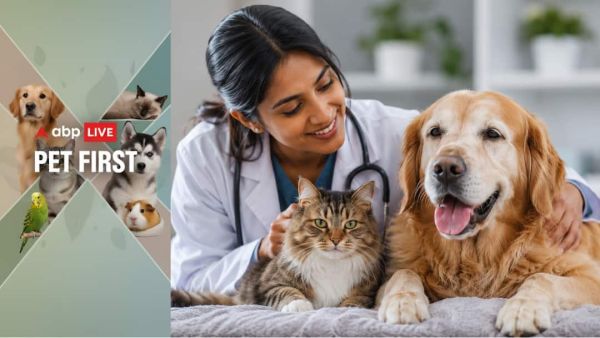
One day they're chasing balls across the park, and before you know it, they're taking longer naps and moving a little more carefully. Watching a pet grow older can be emotional for any pet parent. While ageing is a natural part of life, it also means your furry companion may need a little extra care and attention.
The good news? A few small changes can go a long way in helping senior pets stay healthy, comfortable, and happy. Here are some practical tips that can make a real difference in an older pet's daily life.
Many age-related health conditions develop gradually and can be easy to miss. Your pet may seem perfectly fine while quietly dealing with joint pain, dental issues, or other underlying problems.
Regular health check-ups allow veterinarians to spot concerns early and start treatment before they become serious. Think of these visits as preventive care that can help your pet enjoy a better quality of life for longer.
The diet that worked for your pet in their younger years may not be the best fit as they get older. Senior pets often have different nutritional needs, whether it's maintaining a healthy weight, supporting their joints, or managing specific health conditions.
A conversation with your veterinarian can help ensure your pet is getting the right balance of nutrients for this stage of life.
It's normal for older pets to slow down, but staying active is still important. Regular movement helps maintain muscle strength, supports joint health, and keeps pets mentally stimulated.
The goal isn't intense exercise. A leisurely walk, a short play session, or activities tailored to your pet's abilities can help keep them mobile and engaged without overexertion.
Many pet owners underestimate the impact of dental health. Yet, dental disease is one of the most common issues seen in senior pets and can affect everything from eating habits to overall health.
Routine dental check-ups and consistent oral care can help prevent discomfort and improve your pet's wellbeing as they age.
As pets get older, everyday tasks can become more challenging. Jumping onto a couch, climbing stairs, or walking on slippery floors may not be as easy as they once were.
Simple adjustments such as supportive bedding, non-slip rugs, easy access to food and water, and a quiet place to rest can make your pet feel safer and more comfortable in their surroundings.
Growing old doesn't mean your pet can't enjoy life. With the right care, plenty of love, and regular veterinary support, senior pets can continue to be active, affectionate, and full of personality.
After all, they've spent years filling our lives with unconditional love. Their golden years are our chance to return the favour.
[Disclaimer: The information provided in this article is intended for general informational purposes only. It is not a substitute for professional veterinary advice, diagnosis, or treatment. Always consult a qualified veterinarian regarding your pet’s health, diet, or any medical concerns.]