After England’s commanding 4-2 victory over Croatia in their World Cup opener, optimism around the Three Lions was sky-high. Their attacking play in Dallas was exciting and confident, even if questions lingered about their defensive organisation. However, Tuesday’s goalless draw against Ghana has brought a sharp reality check.
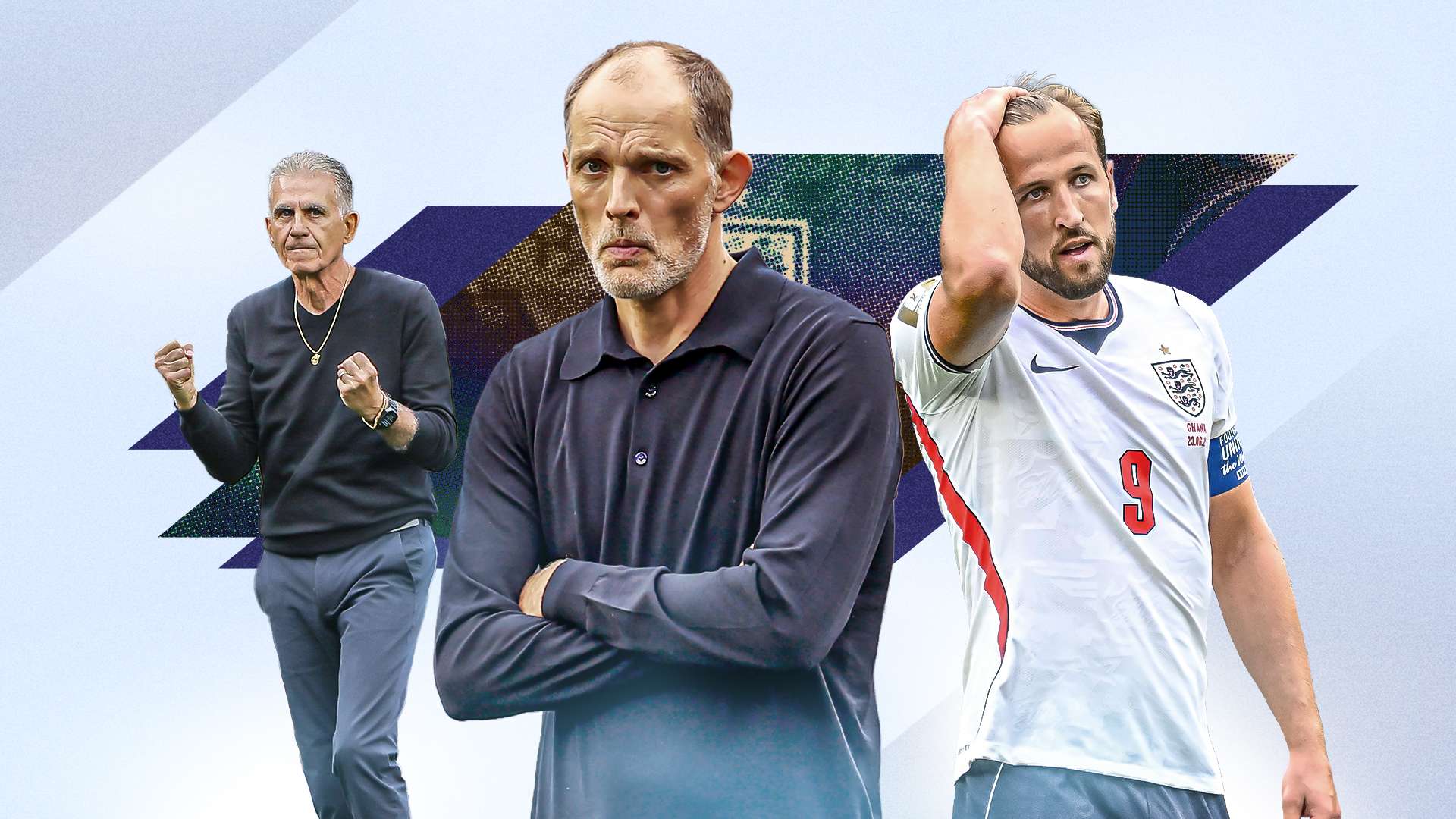
This uninspiring 0-0 result underscores the challenge Thomas Tuchel faces. While England controlled possession, they struggled to break down a disciplined Ghanaian defence that executed its plan to perfection.
Carlos Queiroz’s men set out to claim a point from the outset, defending deep, closing spaces, and inviting England to play in front of them. The response from Tuchel’s side was cautious, with little risk-taking or imagination in the final third.
England’s dominance in possession was reflected in the numbers: 111 completed passes in the first 12 minutes compared to Ghana’s 14. Yet, they failed to create a chance from open play for 36 minutes and managed only three shots on target before Nico O’Reilly struck the crossbar late in the game.
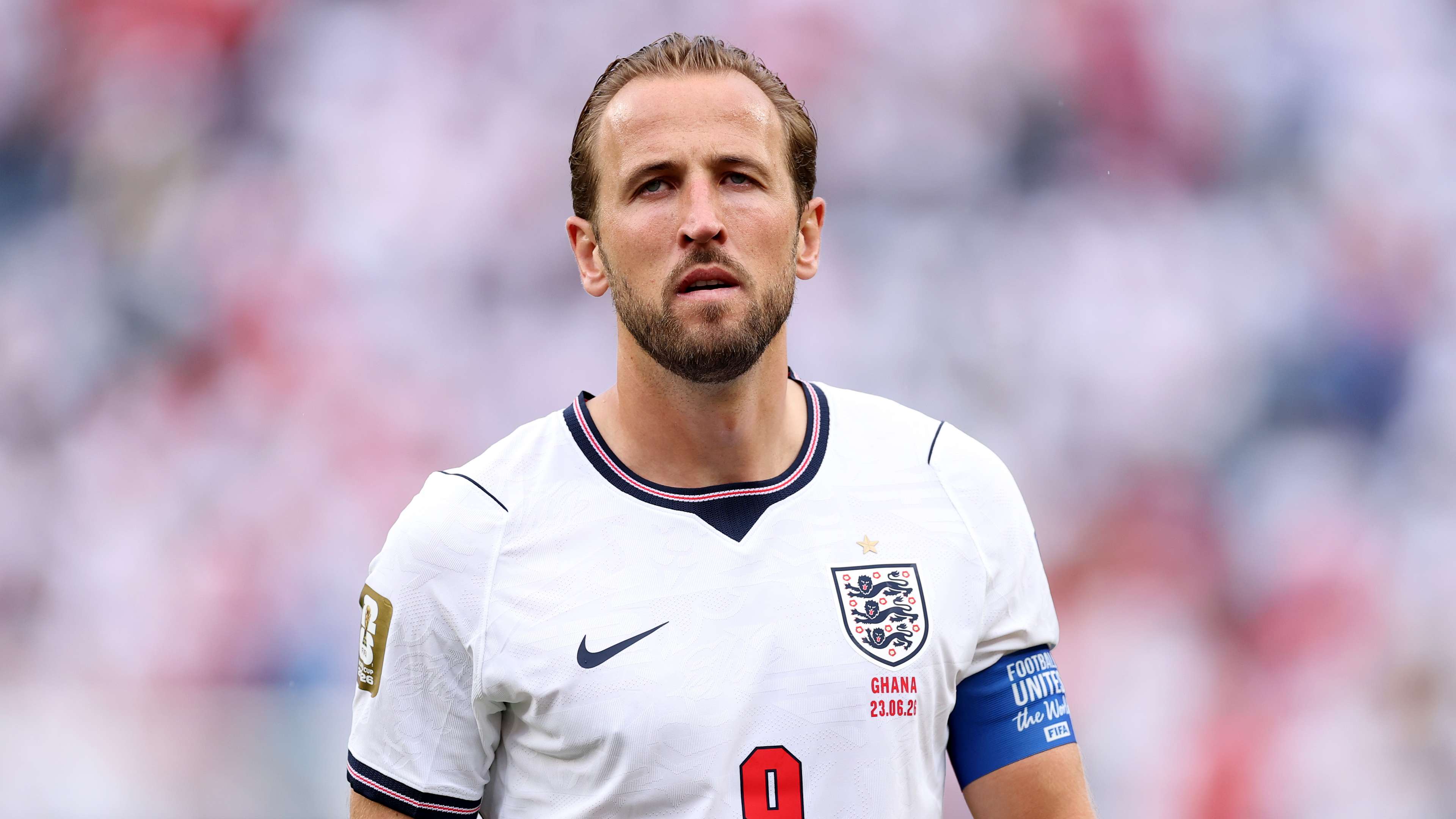
Harry Kane, usually England’s attacking heartbeat, managed just three touches inside Ghana’s penalty area and didn’t get a decent sight of goal until the 87th minute — a chance he blazed over from close range.
“[Ghana] defended with tremendous discipline and physicality — one of the strongest defensive performances I’ve witnessed,” Tuchel said after the match. “It was difficult to find space. Kane’s few chances were unfortunate. That last one is normally a goal.”
Tuchel added, “It just didn’t fall for us. It was tough. We needed patience and persistence in our attacks to break them down, but it stayed 0-0.”
As ever with England at major tournaments, public sentiment can swing wildly — from euphoria to despair. One setback often prompts panic, even though the team has drawn its second group game in four consecutive major tournaments, three of which ended goalless. In two of those campaigns, England went on to reach the finals. Still, Tuchel was hired to change that pattern, and this result feels like a worrying return to old habits, especially given the high expectations this summer.
“It’s a long tournament. The boys gave everything,” Tuchel said at full-time. Yet it may be time to try a different approach.
LOSER: Thomas Tuchel
Tuchel’s tactical setup was largely the same as in the Croatia game. O’Reilly was replaced by Djed Spence at left-back, and Marc Guehi came in for John Stones in defence. Otherwise, Tuchel kept faith with his system — wide wingers, with midfielders creating space for Kane and Jude Bellingham.
However, Ghana’s game plan effectively neutralised England’s strengths. The Black Stars sat deep, absorbed pressure, and denied space between the lines.
Tuchel’s reluctance to react sooner proved costly. It was obvious after half-time that England needed more attacking impetus, yet Bukayo Saka and O’Reilly were only introduced after 65 minutes. Morgan Rogers and Eberechi Eze followed ten minutes later, while Marcus Rashford got just the final ten minutes.
The late changes failed to make an impact. Questions are now being raised about Tuchel’s squad selections, particularly his decision to leave creative playmakers like Cole Palmer and Phil Foden at home. Though both were out of form, their ability to unlock defences could have made a difference.
Ultimately, it wasn’t the squad itself but Tuchel’s tactical rigidity that hurt England. He will need to steady nerves quickly and get back to winning ways, starting against Panama on Saturday.
WINNER: Carlos Queiroz
Veteran coach Carlos Queiroz deserves credit for masterminding Ghana’s defensive masterclass. The Portuguese tactician, managing at his fifth consecutive World Cup, has made a career out of getting results with underdogs — previously guiding Iran to three straight tournaments. His methods might not thrill neutral fans, but they deliver results.
Queiroz set his team up with 11 men behind the ball from the opening whistle, and it worked perfectly. Ghana disrupted England’s rhythm, played physically, and slowed the game whenever possible. In stoppage time, he even replaced forward Prince Adu — brought on just 30 minutes earlier — with a defender to protect the clean sheet.
“I’m so proud of how our players followed the plan,” Queiroz said. “When it’s time to defend, you defend. I can’t play samba when they play rock and roll. By half-time, they knew they had no easy solution.”
It wasn’t pretty, but Ghana’s players and fans celebrated the draw passionately. For the first time since 2010, they are through to the knockout stage.
LOSER: Harry Kane’s Golden Boot Chase
The likes of Lionel Messi, Kylian Mbappe, Erling Haaland, and Cristiano Ronaldo have all found form in front of goal, setting up a fierce Golden Boot race. Kane’s brace against Croatia had put him among the frontrunners, but his blank against Ghana dents his chances.
His miss in the 87th minute — a shot over the bar from six yards — summed up his night. It was one of only 19 touches he had all game, as England struggled to create chances for their captain. He now trails Messi by three goals and Mbappe and Haaland by two.
Given how those three are performing, Kane will need a big turnaround to stay in contention.
LOSER: England’s Attacking Creativity
Tuchel faced questions post-match about England’s predictable attacking play — and rightly so. In the second half, England resorted to crossing repeatedly, but Ghana’s compact defence dealt with everything comfortably.
Ghana’s deep and narrow shape left England without room to operate centrally. Despite having 79 percent possession, they rarely threatened. To win the World Cup, England must find more spark and variety in attack.
Tuchel acknowledged during a second-half hydration break that he had “another idea” to develop — something new to test before the next match. With Panama likely to adopt a similar defensive setup, he’ll need that plan quickly.
WINNER: Bukayo Saka
One bright spot was Bukayo Saka’s lively cameo. The Arsenal winger, recovering from a lingering Achilles issue, has started both matches on the bench so far. Against Croatia, he assisted Rashford’s goal, and he looked sharp again here after coming on.
Saka added pace and directness, taking defenders on from a standing start — a contrast to Noni Madueke’s more stride-based style. His introduction after 65 minutes injected life into England’s attack, though it may have come too late to change the result.
Assuming Saka is now fully fit, Tuchel may be wise to start him against Panama.
LOSER: John Stones
John Stones’ omission could signal the end of his starting role for this tournament. After a rusty display against Croatia — unsurprising given he’s only played 18 times for Manchester City since last season — Tuchel opted for Marc Guehi, who offered a steadier presence.
This was the first time since England’s Euro 2016 exit to Iceland that Stones didn’t start a major tournament match, ending a streak of 27 consecutive starts across World Cups and Euros. Unless Tuchel makes defensive changes, Stones may have to settle for a place on the bench moving forward.