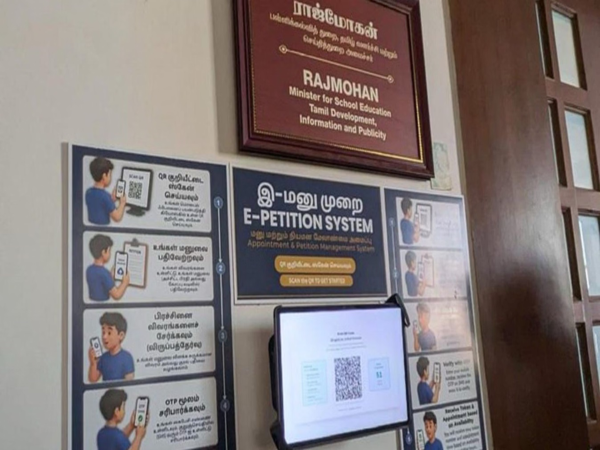
TN Schools: The Tamil Nadu government has launched a new online system to register public grievances. People can now submit complaints or suggestions directly online by scanning a QR code, eliminating the need for paper applications.
This new system will expedite grievance redressal, enhance transparency, and save paper. It will also reduce the need for people to make multiple trips to government offices to report issues. Those wishing to meet the minister can now scan a QR code displayed outside the office and submit their petitions electronically prior to the meeting.
**Easy Complaint Registration via QR Code**
Scanning the QR code directs users to an online portal where they can enter their details and submit their complaints. Any physical documents can also be scanned and uploaded to the same portal.
Additionally, individuals can provide a brief description of their issue or upload a voice recording to explain their concerns, though this feature is entirely optional. The aim is to help people present their grievances effectively, facilitating prompt and impactful action.
**Online Token and Appointment Facility**
Those who complete the online registration will automatically receive a token number and an appointment slot to meet the minister. This will reduce crowding outside the office and save waiting time for the public.
Information and instructions regarding the registration process have been displayed outside the minister's office to familiarize the public with the new system. School Education Minister Anbil Mahesh Poyyamozhi is among the first ministers in Tamil Nadu to implement this QR code-based grievance system.
Officials believe this digital system could serve as a model for other government departments, making government services more modern, efficient, and accessible to the general public.
Disclaimer: This content has been sourced and edited from Amar Ujala. While we have made modifications for clarity and presentation, the original content belongs to its respective authors and website. We do not claim ownership of the content.