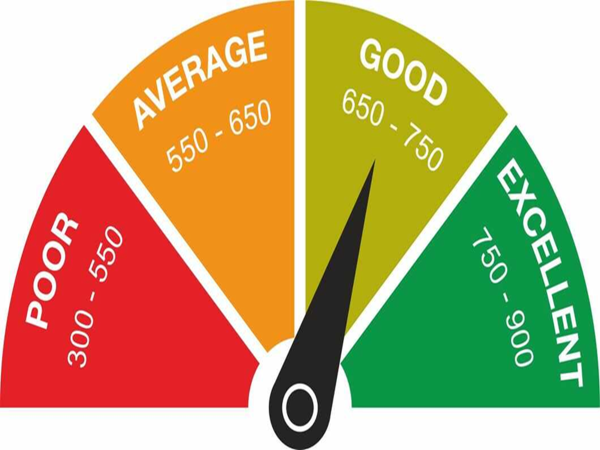
In the era of Digital India, the Unified Payments Interface (UPI) has become an integral part of our daily lives. It is used for everything from paying for a cup of tea to making significant purchases. Given how frequently people use UPI, a common question arises: Does frequent UPI usage affect one's CIBIL or credit score?
What is the reality?
The truth is that UPI itself is not a form of credit; rather, it is simply a method to transfer money directly from your bank account. Consequently, payments made via UPI are not recorded in your credit report, meaning they have no direct impact on your credit score.
However, this does not mean that UPI usage is entirely irrelevant. When banks and financial institutions decide whether to grant a loan, they look beyond just your credit score; they also evaluate your overall financial behavior. If your bank account frequently maintains a low balance, your spending is excessive and erratic, or there is a lack of visible savings, your financial profile may appear weak. Thus, even though UPI transactions do not directly alter your score, your spending habits can indirectly influence loan approval.
Key points to consider
Another crucial aspect is that the situation changes if you have linked your UPI to a credit card. In this scenario, any payment made via UPI gets added to your credit card bill. Paying the full bill on time every month strengthens your credit score. Conversely, late payments or exceeding your credit limit can cause these UPI transactions to harm your score. Ultimately, it is not about UPI itself, but about credit discipline.
Furthermore, fintech companies and some banks have started analyzing financial behavior based on UPI transactions—particularly for individuals who lack a credit history. This data could assist in making loan-related decisions in the future.
Disclaimer: This content has been sourced and edited from Dainik Jagran. While we have made modifications for clarity and presentation, the original content belongs to its respective authors and website. We do not claim ownership of the content.