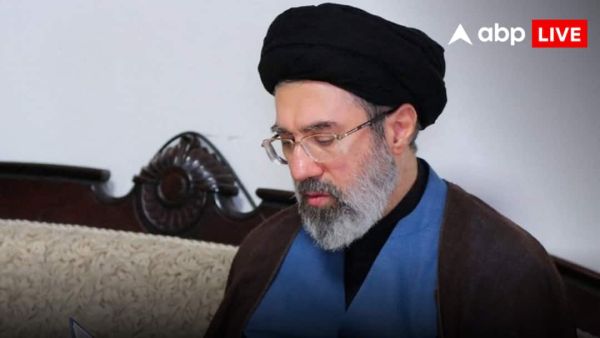
Iran's Supreme Leader Ayatollah Mojtaba Khamenei has called for domestic and international legal action over what he described as crimes committed against Iran, accusing the United States and Israel of responsibility for the deaths of civilians, including newborns, elderly people and senior Iranian figures. In a statement, he said admissions and public remarks by leaders of the "US-Zionist enemy" amounted to confessions that could help Iran pursue justice in courts.
Khamenei said every crime committed against Iran, from the killing of civilians to what he described as the martyrdom of the country's senior leadership, should become the subject of legal proceedings in both domestic and international courts.
From murdering newborns to our dear elderly population - & above all, the martyrdom of the peerless, unique gem of our era, our magnanimous, mujahid Leader - is each a file among thousands of major legal cases that must be earnestly pursued in domestic & international courts.
— Ayatollah Mojtaba Khamenei (@MKhamenei_ir) June 28, 2026
He argued that statements made by some American and Israeli leaders acknowledging or defending military actions effectively amounted to admissions that would strengthen Iran's legal case. According to Khamenei, those remarks could help secure what he called the vindication of the Iranian nation's violated rights.
The confessions and even brazen boasting of some of the leaders of the US-Zionist enemy regarding these crimes, are indisputably an admission of crime, and these effectively pave the way for the vindication of the [Iranian] nation's rights that have been violated.
— Ayatollah Mojtaba Khamenei (@MKhamenei_ir) June 28, 2026
The statement came as Foreign Minister Abbas Araghchi said Iran would retain sole oversight and management of the Strait of Hormuz for the next 30 days.
Speaking during a visit to Iraq, Araghchi said he had briefed Iraqi officials on the recent conflict involving Iran and developments related to a memorandum of understanding between Tehran and Washington. He maintained that responsibility for managing the strategic waterway rested exclusively with the Islamic Republic and that no other country had any authority over it during this period.
Araghchi said Iran was working to restore the strait's full operational capacity once remaining obstacles were removed. He also warned that any unilateral intervention by another country would worsen tensions and delay the reopening of one of the world's busiest maritime trade routes.
His remarks follow renewed warnings from Iran's Revolutionary Guards, which said they were prepared to respond with greater force if the United States violated the current ceasefire, underscoring the fragile security situation in the Gulf.