Heatwaves are frequently linked to discomfort, thirst and increased demand for power. However, medical professionals claim that the biggest risk is much less obvious. Heat stress is referred to by the World Health Organization (WHO) as a "silent killer" because it frequently worsens pre-existing cardiovascular, respiratory and kidney diseases rather than causing heatstroke and many heat-related deaths occur quietly among older adults and people with underlying medical conditions. Physicians caution that excessive heat is turning into one of Europe's biggest public health risks as climate change causes heatwaves to become longer and more powerful.
The WHO states that extreme heat puts a great deal of stress on the body's capacity to control its temperature, raising the risk of dehydration, heat exhaustion, heatstroke, renal damage and heart problems. Warm evenings further enhance the hazard since the body is unable to recuperate from daytime heat exposure, particularly among older people and those with chronic conditions.
Therefore, heat stress is a dangerous public health issue that is often disregarded, according to medical professionals, because many heat-related deaths occur when pre-existing medical disorders are exacerbated rather than from heatstroke alone.
The most recent warning follows France's previous period of record-breaking heat, which resulted in an additional 1,000 deaths. People 65 years of age and older accounted for over 85% of the excess deaths, according to Public Health France, and the districts with the highest heat alerts saw the biggest increases in mortality. Particularly in Paris, a large number of the deceased were living alone or passed away at home. According to the Associated Press, French health authorities anticipate that the numbers will be updated when more mortality data becomes available, highlighting the heatwave's ongoing negative effects on health.
The effects of intense heat were not unique to France. According to Reuters, temperatures rose beyond 40°C in a number of European regions, putting a great deal of strain on emergency services and hospitals. While wildfires, transportation disruptions and rising electricity demand affected emergency responses, record June or national temperatures were reported in Germany, Poland, Austria and the Czech Republic. Ambulance services responded to an increasing number of heat-related medical crises in Berlin, while officials used water cannons to calm enormous crowds. Violent thunderstorms that caused flooding, power outages and infrastructure damage in portions of France, Belgium and Germany followed the heatwave.
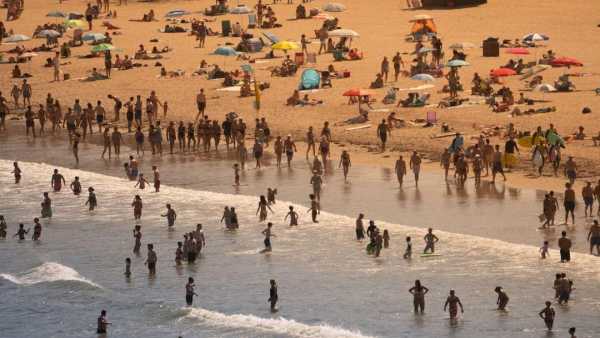
Reuters also reported that many drowning deaths happened across Europe as individuals sought relief from the excessive heat in rivers, lakes and coastal waters.
According to scientists, a broader climate trend is reflected in the current heatwave. According to World Weather Attribution, human-caused climate change increased the likelihood of severe temperatures in Europe by about 200 times. WHO Director-General Tedros Adhanom Ghebreyesus has also cautioned that Europe is warming faster than any other region, increasing both the frequency and severity of heatwaves.
The recent incidents have brought up memories of the 2003 heatwave in France, which resulted in extensive changes to heat-health preparedness and over 15,000 fatalities. Rising temperatures, however, continue to highlight flaws in healthcare systems, urban infrastructure, and community support for vulnerable groups, according to experts.
Public health experts think that more than just emergency weather warnings will be needed to prevent heat-related mortality in the future. The WHO states that the best measures to lessen the health impact of high heat include bolstering early warning systems, increasing urban green areas, enhancing hospital readiness, and routinely checking on senior neighbours and family members. They have also published practical tips for keeping cool during extreme heat on their website. The guidance recommends staying out of the heat by avoiding outdoor activity during the hottest time of day, staying in the shade and spending two to three hours daily in a cool place, Yonhap news agency reported.
To keep homes cool, the WHO advises using night air to cool down homes after dark, closing windows and covering them with blinds during the day when outdoor temperatures are higher than indoors and turning off as many electrical devices as possible. Experts caution that identifying heat stress as the "silent killer" it actually is will be crucial to saving lives as Europe experiences harsher summers.