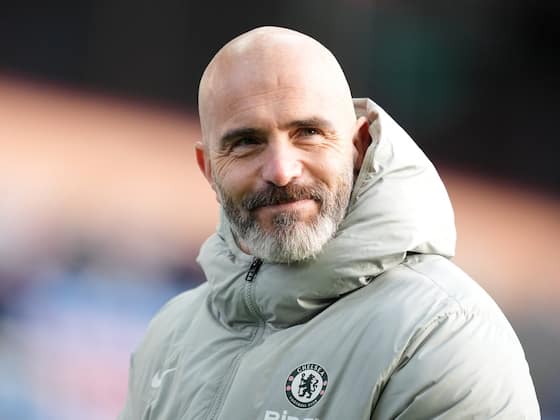
Enzo Maresca steps into one of football’s most demanding roles as he takes charge of Manchester City, succeeding the legendary Pep Guardiola. The Italian manager faces immediate challenges as he begins his tenure at the Etihad Stadium, with expectations sky-high following years of unprecedented success under Guardiola.
Guardiola’s mark on Manchester City extends far beyond the pitch — his tactical blueprint and cultural influence have shaped every aspect of the club. Maresca, who previously served as Guardiola’s assistant, was selected partly because of his deep understanding of this system, ensuring a sense of continuity as City move forward.
However, Maresca must also carve out his own managerial identity. Even Guardiola advised that his successor should avoid simply replicating his methods, noting the job cannot be a “copy-paste” exercise. Striking the right balance between maintaining the club’s established philosophy and introducing his own ideas will be one of Maresca’s first major tests.
This summer has already brought significant changes, with long-serving players John Stones and Bernardo Silva departing the club. Meanwhile, uncertainty surrounds others in the squad. Midfield anchor Rodri has been linked with Real Madrid, and Jack Grealish returns from his loan spell at Everton eager to discover his role under the new leadership.
Several other players — including Nathan Ake, Mateo Kovacic, Nico Gonzalez, Rico Lewis, and James Trafford — are also likely to seek clarity on their futures. Director of football Hugo Viana continues to oversee the club’s well-established recruitment strategy, but Maresca is expected to have considerable input in shaping the squad to match his tactical vision.
The squad revamp, which began over the past three transfer windows, is expected to continue. With City already boasting strength in central defence and attack, midfield reinforcements are believed to be a priority heading into the new season.
While it would be unrealistic to expect Maresca to immediately replicate Guardiola’s historic success, his appointment signals City’s desire for a seamless transition. His familiarity with the club’s ethos suggests expectations of a quick adjustment period and a prompt return to competing for major silverware.
However, Maresca must also win over both the players and the fanbase, who have grown accustomed to success and will demand proof that he can sustain City’s dominance. Establishing authority and trust early in his managerial reign will be crucial.
Beyond on-field matters, Maresca inherits a more complex challenge: the unresolved case involving over 100 alleged breaches of Premier League financial regulations by Manchester City, charges that have been pending for more than three years. The ongoing uncertainty continues to cast a shadow over the club, creating an atmosphere of instability. As City’s new figurehead, Maresca will have to navigate these off-field complications while maintaining focus on footballing priorities.