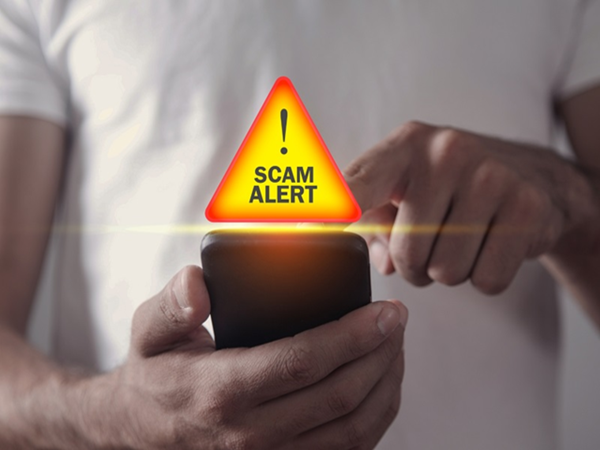
As the holiday season kicks off in India, people begin planning their travels. Some book flight tickets, while others hunt for affordable hotel packages. However, cybercriminals are now exploiting this haste and the search for cheap deals.
In this era of technology, hackers have become smarter than ever. Online fraud cases surge across the internet as soon as the travel season arrives. Let’s understand how these cyber fraudsters target you and how you can keep yourself safe.
How the trap of cyber fraud is laid
Cybercriminals are extensively using technology to ensnare people. Here are their primary methods:
**Fake websites that look authentic**
Those searching for cheap deals on Google are at the highest risk. Hackers create hundreds of fake websites that mimic legitimate travel companies. Users believe they are on a trustworthy site, but upon making a payment, their money goes directly into the fraudsters' accounts.
**Alluring links via WhatsApp and SMS**
Nowadays, people are being targeted through WhatsApp or SMS. You might receive a message saying, "Book here for a 50% discount" or "Last-minute deal—hurry!" These messages contain a link. In their haste, people click the link without thinking and enter their bank details, leading to their accounts being drained.
**Fake customer care numbers on Google**
This is currently one of the biggest scams. When people search for a travel company's number on Google, fraudsters use SEO tricks to rank their fake numbers at the top of the results. When you call, they pose as company agents, get you to make a payment, and then disconnect the line.
**Risk of data theft, not just financial loss**
These scams result in more than just drained bank balances. When you enter your information on a fake website, your highly valuable digital data—such as the following—can be stolen:
Credit/debit card details
Phone numbers and email IDs
Identity document details
This data can later be sold on the dark web or used to commit further fraud in your name.
Keep these points in mind when booking online:
You can easily avoid these cyberattacks by exercising a little digital caution:
Check the URL carefully: Before making a payment on any website, examine its URL (link) in the browser's address bar. Hackers often create fake sites by making subtle spelling errors in the legitimate name.
Avoid the lure of cheap deals: If a deal seems too good to be true (or suspiciously cheap), there is a 99% chance it is a scam.
Do not click on unknown links: Avoid making payments via links received in WhatsApp messages, SMS, or emails from unknown sources—especially if the message pressures you to pay quickly.
Use official apps: It is safer to use the official mobile apps of reputable companies rather than a web browser when booking tickets or hotels.
Get customer care numbers from the app: Avoid searching for customer care numbers directly on Google. Always obtain the number from the company's official website or the 'Contact Us' section of their app.
The internet has made our lives easier, but a moment of carelessness can lead to significant loss. Stay vigilant and safe while booking, and enjoy your holidays!
Disclaimer: This content has been sourced and edited from Amar Ujala. While we have made modifications for clarity and presentation, the original content belongs to its respective authors and website. We do not claim ownership of the content.