FIFA have defended the Video Assistant Referee (VAR) decision that nullified Croatia’s dramatic stoppage-time equaliser against Portugal, explaining that Connected Ball Technology detected a minimal touch from Igor Matanovic in the build-up. The finding confirmed an offside infringement, allowing Portugal to progress while Croatia’s World Cup campaign came to an end.
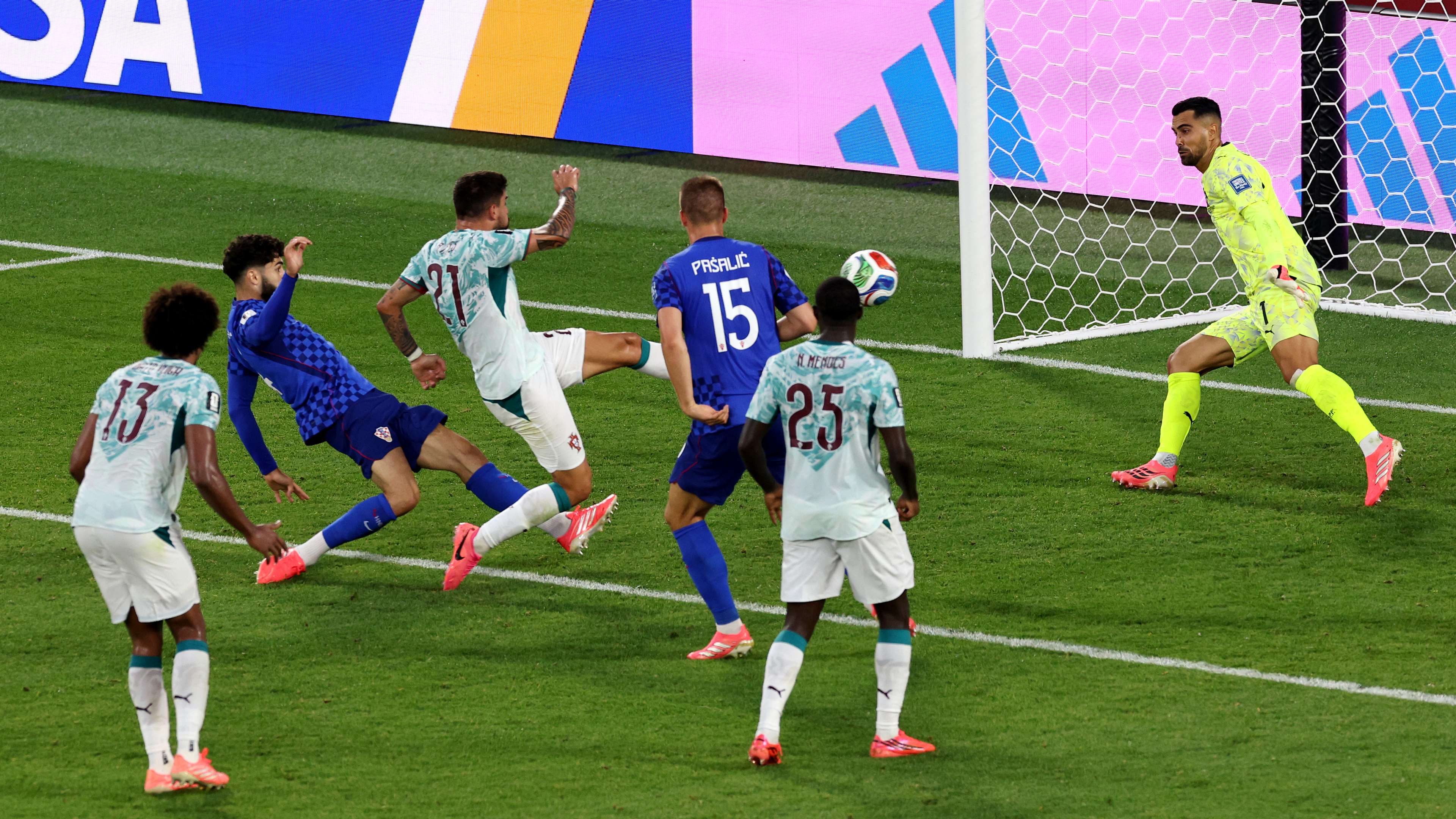
The late strike that could have saved Croatia was eventually disallowed. Portugal had taken a 2-1 lead in the fourth minute of added time through Goncalo Ramos’ header, but Josko Gvardiol seemed to restore parity nine minutes later, sending Croatian fans into wild celebration before VAR intervened.
Initially, the goal stood as it appeared Matanovic had not made contact with Ivan Perisic’s cross before Mario Pasalic became involved. However, referee Espen Eskas was called to review the play on the pitchside monitor after the Connected Ball Technology revealed a faint touch from Matanovic — possibly just from his hair.
While the contact was invisible in television replays, the sensor data confirmed that Pasalic was in an offside position prior to assisting Gvardiol. As a result, the goal was overturned, Portugal’s lead was upheld, and Croatia’s hopes were dashed in heartbreaking fashion.
Following the contest, FIFA issued an official statement clarifying the decision. The governing body said that the data from the sensor embedded in the official Adidas Trionda match ball verified that Matanovic had made contact, supporting the referee’s final verdict.
In its statement, FIFA explained: “According to the data provided by the Connected Ball Technology housed within the Adidas Trionda, the official match ball of the FIFA World Cup, it was confirmed that Croatia’s number 20, Igor Matanovic, made contact in the build-up to the goal against Portugal, enabling the referee to accurately determine an offside and disallow the goal.”
The decision once again showcased the impact of Connected Ball Technology. Though the touch was imperceptible to the human eye and invisible in standard footage, the advanced sensor within the ball generated precise data that helped VAR make the offside call with confidence.
FIFA’s statement further elaborated: “The IMU sensors inside the Trionda ball can detect even the slightest touch, which is displayed to viewers as a ‘heartbeat graphic’. This offers officials an unprecedented level of information, allowing them to make faster and more accurate decisions.”
With this verdict, Portugal secured their place in the round of 16, where they will take on Spain at Dallas Stadium on Monday. For Croatia, the defeat signalled the end of their campaign. It was a cruel exit for Luka Modric and his teammates, who were seconds away from altering their fate before technology sealed the outcome.