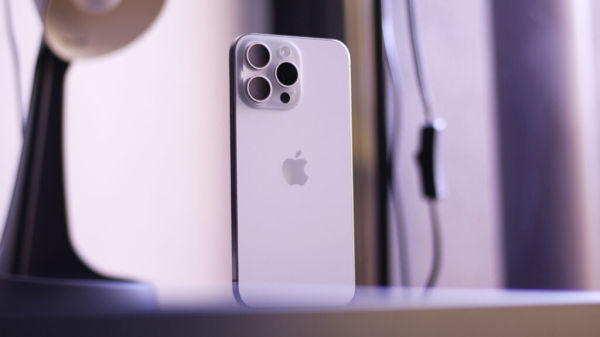
Apple seldom makes design changes to its products, so the introduction of a titanium frame with the iPhone 15 Pro lineup marked an interesting shift. Even the marketing around the iPhone 15 Pro series was heavily centered on the new material. The previous few generations shipped with stainless steel frames, which looked spectacular but added quite a bit of heft, especially on the larger Pro Max models. Titanium is not only durable but also lighter than stainless steel. The iPhone 15 Pro Max was nearly 20 grams lighter than the outgoing iPhone 14 Pro Max.
The iPhone 16 Pro models continued the trend, but Apple switched to an aluminum unibody design for the iPhone 17 Pro and Pro Max. Apple hasn’t publicly commented on why it has made the switch except for mentioning that the new “design is crafted with a lightweight aerospace-grade 7000-series aluminum alloy to deliver the best-ever thermal performance in an iPhone.” Overheating was a common complaint iPhone 15 Pro users had — our model also runs uncomfortably hot sometimes.
That said, Apple hasn’t completely ditched titanium. The thin-and-light iPhone Air that we reviewed is wrapped in a grade 5 titanium frame. In fact, the titanium is probably why the device turned out to be one of the most durable phones you can buy. The iPhone Air surpassed all expectations in JerryRigEverything’s brutal durability test, where it withstood a three-point bending test with a load of 200 pounds (90 kilograms) before failing.
The pros and cons of Apple ditching titanium
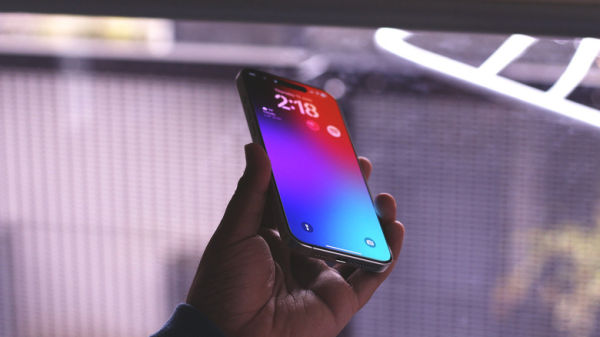
Aluminum has high thermal conductivity, which makes it a better material for heat dissipation. This is why most premium laptops rely on aluminum chassis to get heat away from the processor as quickly as possible. Apple also equipped the iPhone with a vapor chamber for the very first time. Stress testing conducted by The Mac Observer reveals that the iPhone 17 Pro Max maintains higher sustained performance than the iPhone 16 Pro Max and achieves better stability scores.
We can only speculate why Apple switched to using aluminum in its still-expensive iPhones. Lower procurement costs, ease of manufacturing, and better thermal performance are plausible explanations. Aluminum is also easier to work with when it comes to surface treatments like anodization or painting, which explains why the bright orange colorway is available on the iPhone 17 Pro models.
If an iPhone Air 2 is in Apple’s plans, it would make sense for the device to continue using titanium for its strength. The rest of the lineup, however, will likely stick with aluminum despite it being a less premium material. Samsung had also jumped on the bandwagon when it switched to a titanium frame for the Galaxy S24 Ultra we reviewed, but is now back to aluminum on its latest flagship. Perhaps the brief fascination with titanium on smartphones was more of an experimental thing than a permanent shift.