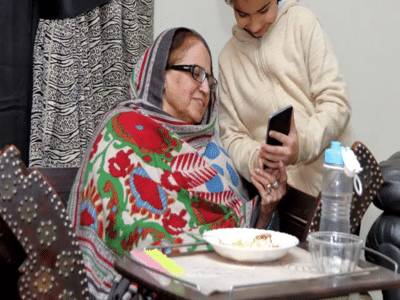
Smartphones have become an essential part of daily life—not just for young people, but also for senior citizens. In many Indian homes, it's common to see parents and grandparents spending hours watching Reels, playing Ludo, or chatting on WhatsApp. While these activities can help pass the time and reduce loneliness, mental health experts warn that excessive phone use can gradually affect both physical and mental well-being.
According to psychiatrist Dr. Megha Agarwal, there is no reason to worry every time an elderly person spends time on a smartphone. In fact, using digital technology in moderation can be beneficial. Playing online games like Ludo with family, making video calls to loved ones, learning to use new apps, or staying active on WhatsApp can stimulate the brain and help seniors feel socially connected—especially those who live alone.
When Healthy Use Turns Into an AddictionThe real concern begins when smartphones become the center of an elderly person's daily routine. Spending hours scrolling through short videos, skipping regular walks, avoiding conversations with family members, or staying awake late at night using the phone can have serious consequences.
Experts say excessive screen time can:
The term digital dementia has become increasingly popular, although it is not an officially recognized medical diagnosis. It is commonly used to describe difficulties with memory, attention, and focus that may develop after prolonged and excessive screen use. Over time, heavy dependence on digital devices may negatively affect cognitive functioning.
Sleep Takes the Biggest HitOne of the most significant impacts of excessive smartphone use in older adults is poor sleep. As people age, natural sleep duration often decreases. Using a smartphone late into the night exposes the brain to blue light, which suppresses the production of melatonin, the hormone responsible for regulating sleep.
Reduced melatonin levels can lead to:
Chronic sleep disturbances may also affect heart health and memory over time.
Balance Is the KeyExperts emphasize that smartphones do not need to be completely taken away from elderly users. Moderate use for games, video calls, and communication can improve emotional well-being and keep the mind engaged. However, it is equally important for seniors to maintain a balanced lifestyle by staying physically active, interacting with family and friends, following a healthy sleep routine, and participating in offline activities that keep both the mind and body healthy.