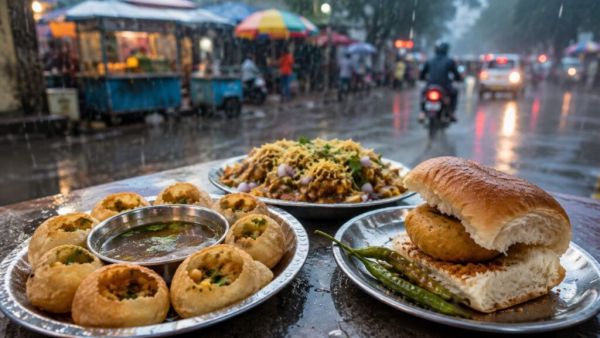
Once the monsoon starts, many people are tempted to eat hot and spicy food. But during this period, due to the increase in humidity in the atmosphere, bacteria, viruses and fungi grow rapidly. Therefore, eating exposed food, contaminated water or food prepared in unhygienic manner can lead to problems like food poisoning, abdominal pain, vomiting, diarrhoea, fever and dehydration. Therefore, health experts say that special care should be taken while eating outside food during monsoon.
Sudden Weight Gain: Gaining weight suddenly? Don’t delay in recognizing ‘this’ critical signal in the body
Panipuri water is often prepared long in advance and kept. If the water or ice used for it is not clean, the risk of stomach infection and food poisoning can increase.
Chutneys, curds and spices in bhel, aloo chaat, dahi bhalle or other chaats are kept open. Bacteria can grow rapidly in it during rainy season.
Pre-cut fruits sold on roadsides are exposed to dust, flies and polluted environment. This increases the chance of infection.
Foods like pakodas, samosas, kachoris are often fried in reused oil. This can lead to indigestion, gas and acidity.
The content of momos available outside is not always fresh. Using old vegetables or chicken can cause harmful bacteria to grow.
Eat fresh, hot and clean food preferably during monsoon. Preference should be given to drinking boiled or pure water. If eating outside food one should ensure cleanliness, quality of food and whether it is fresh. Adoption of proper diet and hygiene habits can greatly reduce the risk of infectious diseases during monsoons.
Note – This article is written for general information only and does not claim to be a cure of any kind. Consult your doctor before taking any remedy.
Monsoon Health Tips: Is it beneficial or harmful to eat curd during monsoon? Learn important advice from experts