Archaeologists discover 4,000-year-old noodles in China, challenging the origins of the world's most popular dish
ETimes July 14, 2026 06:39 PM
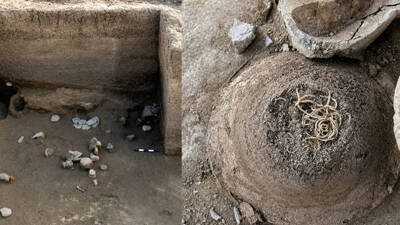
Noodles are often counted among the most popular dishes in the world, enjoyed in countless forms across different cultures. Over time, noodles spread across Asia and beyond, with each region creating its own unique varieties, such as Japanese ramen, Italian pasta, and Korean japchae. Noodles became popular because they are affordable, easy to prepare, and highly versatile, allowing them to be combined with vegetables, meats, sauces, and spices. According to a 2005 study published in the journal Nature, a bowl of noodles about 4000 years old was found at the archaeological site of Lajia. Scroll down to read the details.
All about the discovery
According to archaeologists, the uncovered strands were long, thin, and yellowish and were inside an upside-down bowl, buried under about three meters of sediment. The set was interpreted as the oldest physical evidence ever found of noodles, although researchers and subsequent studies indicate that important points about composition, preparation technique, and direct connection with later pasta in Asia and Europe are still debated.
Debate about the origin of noodles in China

The study led by Houyuan Lu, from the Chinese Academy of Sciences and available on pubmed, analyzed the remains found in Lajia and concluded that this container preserved the oldest known empirical evidence of noodles. According to experts, the importance of the find was not just in its age. Before this discovery, the oldest records of noodles cited by researchers were much more recent, which made Lajia shift the chronological axis of this history to a much more remote past and reinforce China’s weight in the trajectory of this food. The debate is also around the fact that the discovery does not authorize a simplistic conclusion that modern Italian pasta descends directly from that buried dish. However, it certainly pushes the oldest known physical record of noodles to China.
What makes the bowl extraordinary
According to experts, what made the bowl of noodles extraordinary is the sequence of destructive events that preserved it. It is said that an earthquake, flood and other natural events reduced oxygen exposure and helped maintain the shape of the strands for millennia. According to the report, the noodles were found in Lajia, a site linked to the Qijia culture, in the upper reaches of the Yellow River. This archaeological context is crucial because it shows that the dish did not appear in isolation, but was part of a structured agricultural society capable of processing grains, manufacturing ceramics, and organizing relatively sophisticated food practices for the period. In the 2005 study, the authors stated that the noodles had been produced from two varieties of millet: foxtail millet and broomcorn millet. Also, the discovery caused a huge stir because it linked the dish to an ancient Chinese cereal, rather than the wheat that dominates much of today’s pasta in the West. However, the exact composition and technique used to produce those noodles remain a topic of discussion. A later study published in Archaeometry in 2011 concluded that it is impossible to stretch dough made only from pure millet to form strands like those of noodles, raising doubts about the hypothesis that the Lajia noodles were made exclusively from this cereal.
The debate continues
While the discovery was an amazing surprise, the Lajia find did not conclusively end the discussion, the debate about the origin of noodles between China, Italy and the Middle East still continues. However, Lajia changed the global chronology. Today, Lajia remains the oldest known physical evidence of noodles, and the debate continues.