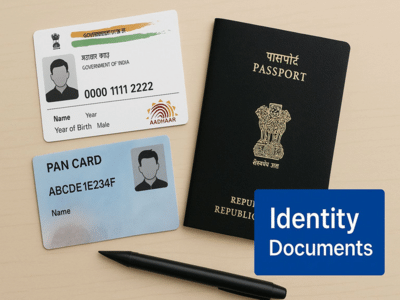
When applying for a bank account, passport, SIM card, government service, or educational institution, you may be asked to submit both identity proof and address proof. Many people assume these documents are the same, but they serve different purposes. Submitting the wrong document can delay your application or require additional verification.
Understanding the difference between identity proof and address proof can help you complete applications more smoothly.
What Is Identity Proof?Identity proof is a document that confirms who you are. It helps organizations verify your name, photograph, date of birth (where applicable), and other identifying details.
Identity proof is commonly required for:
Address proof confirms where you currently live. It helps organizations verify your residential address for communication, record-keeping, and legal purposes.
Address proof is often required for:
Yes. Some documents may be accepted as both identity proof and address proof, depending on the organization and its verification requirements.
However, acceptance varies, so applicants should always check the specific document list requested before submitting an application.
Why Document Verification Is ImportantOrganizations verify documents to:
Proper documentation helps protect both the applicant and the organization.
Common Mistakes Applicants Make 1. Submitting Expired DocumentsAlways ensure your documents are valid and up to date before applying.
2. Using Different NamesIf your name differs across documents, verification may take longer. Keep your records consistent whenever possible.
3. Providing an Old AddressIf you have moved recently, check whether your address records need updating before submitting applications.
4. Uploading Unclear CopiesBlurred scans or incomplete photocopies can result in application delays. Always use clear and readable copies.
5. Ignoring Official InstructionsDifferent organizations may accept different document combinations. Carefully read the application guidelines before submission.
Tips for Keeping Your Documents ReadyA well-organized document folder can save significant time during urgent applications. Include:
Organizing documents by category makes them easier to locate when needed.