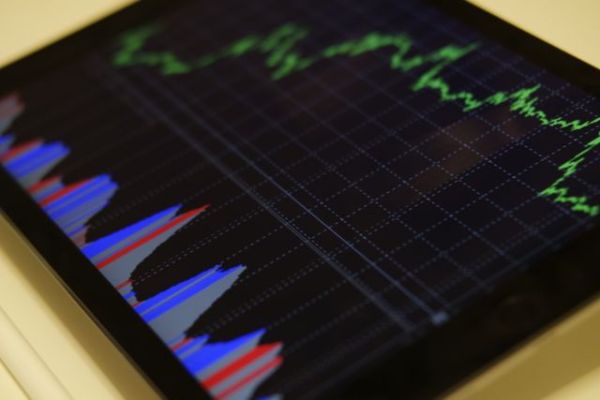
The foreign exchange market, commonly known as Forex or FX, is the largest and most liquid financial market in the world, with trillions of dollars changing hands every single day. It attracts everyone from large institutional investors to individual retail traders looking to grow their savings or generate additional income. Yet, like any form of trading, Forex comes with both significant opportunities and serious risks. Understanding these before committing real capital is essential for anyone considering this path.
Because the Forex market handles such an enormous volume of transactions daily, it offers exceptional liquidity. This means traders can enter and exit positions quickly, without worrying that a lack of buyers or sellers will trap their capital. Tight spreads are another byproduct of this liquidity, which can reduce transaction costs for active traders.
Unlike stock exchanges that operate on fixed hours, the Forex market runs 24 hours a day, five days a week, cycling through major financial centers in Sydney, Tokyo, London, and New York. This flexibility allows traders to fit trading around their personal schedules, whether they prefer early mornings or late nights.
Many brokers allow traders to open accounts with relatively small amounts of capital, and leverage can amplify the size of positions beyond what a trader’s own funds would normally allow. This makes Forex accessible to a wide range of people, not just wealthy investors.
Traders can choose from dozens of currency pairs, from major pairs like EUR/USD to more exotic combinations. This variety allows for diverse strategies, including trend-following, scalping, swing trading, and long-term macroeconomic positioning.
Most reputable brokers offer a forex trading demo accountwhich lets beginners practice strategies, test platforms, and build confidence using virtual funds before risking real money. This is one of the most valuable tools for newcomers who want to understand market mechanics without financial exposure.
Currency prices can move sharply due to economic data releases, geopolitical events, or central bank announcements. While volatility creates profit opportunities, it can just as easily lead to significant losses, particularly for inexperienced traders who misjudge market direction.
The same leverage that allows traders to control large positions with small amounts of capital can also magnify losses dramatically. A relatively small adverse price movement can wipe out a trader’s entire account balance if positions are not managed carefully with proper stop-loss orders.
Successful Forex trading requires a solid understanding of technical analysis, fundamental analysis, and risk management. Many beginners underestimate the amount of study and practice required, leading to poor decision-making and avoidable losses.
The fast pace of currency markets can trigger emotional reactions such as fear and greed, which often result in impulsive trading decisions. Maintaining discipline and sticking to a well-defined trading plan is difficult, especially during periods of high volatility.
The popularity of Forex trading has unfortunately attracted fraudulent brokers and unregulated platforms that lure inexperienced traders with promises of guaranteed profits. Choosing a broker regulated by a reputable financial authority is critical to avoiding scams and protecting deposited funds.
While spreads are often low, frequent trading can lead to accumulated costs through spreads, commissions, and overnight financing fees (swap rates). Traders need to factor these expenses into their overall profitability calculations.
Forex trading offers substantial opportunities for those willing to invest time in learning the market and developing disciplined strategies. Its accessibility, liquidity, and flexible trading hours make it appealing to a broad range of participants. However, the risks tied to volatility, leverage, and emotional decision-making cannot be ignored. Anyone considering Forex trading should start by educating themselves thoroughly, practicing with demo accounts, and only risking capital they can afford to lose. As with any investment activity, a balanced and informed approach is the key to long-term success.