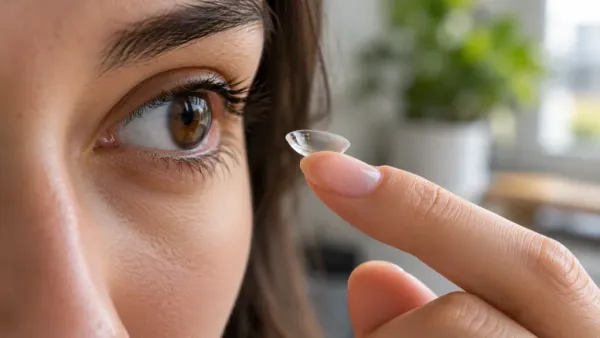
The smart contact lenses reality represents a major technological paradigm shift, transitioning advanced augmented reality (AR) portals from speculative science fiction directly into the consumer electronics pipeline. The foundational premise of this technology centers on seamless digital integration.
By mounting computing components directly over the human pupil, developers aim to render interactive data strings inside a user’s natural line of sight. For example, a user can review private messaging notifications or analyze map directions hands-free via an external display that automatically vanishes the moment environmental velocity or eye motion shifts past real-time reading thresholds.
However, this emerging ecosystem surfaces an immediate societal tension, forcing a structural choice between friction-free access to contextual data and unprecedented personal intrusion. Industry analysts are divided on whether these ultra-miniaturized display platforms represent the natural progression of personal consumer electronics or merely act as high-priced luxury novelties that carry significant hidden operational maintenance fees.
Smart contact lenses, once confined to science fiction, are inching toward consumer reality. The technology works as an advanced AR portal because it enables users to see digital content that appears in their direct view.
The technology creates two distinct lines because people question whether the lenses represent the next step in personal electronics development or whether they function as an expensive modern product that hides actual expenses.
The lenses establish an uninterrupted digital experience, or they function as another fragile, expensive system that appears appealing on the surface but fails to deliver real-world results.
People are asking if it’s worth trading comfort and affordability for another layer of constant connectivity.
Supporters claim it’s the last interface, the point where technology disappears into daily life. Skeptics call it one more distraction in disguise.
The development of smart contact lenses started through the simultaneous development of microelectronics and biocompatible materials. Corporations like Mojo Vision in the U.S. and startups across South Korea, Japan, and Europe have been prototyping lenses no thicker than human hair, yet filled with sensors, display chips, and wireless data transmitters.
The lens contains micro LEDs, which project ultra-small images because their size permits human users to see the pixels only through an electronic display.
The system aims to project information directly onto the user’s retina while maintaining their original visual experience. The solution presents challenges because it requires knowledge from both biological science and computer engineering to be resolved. Everything must be light, breathable, and safe.
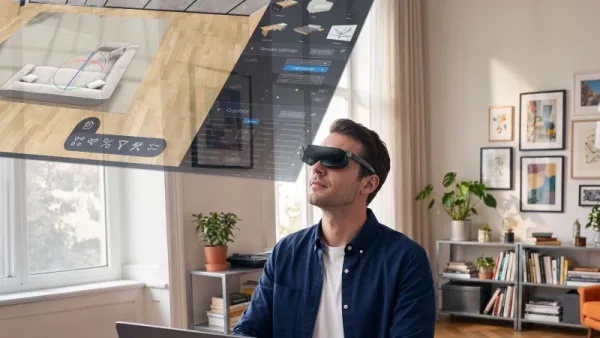
Beneath the elegance lies friction. Early testers report dryness, eye strain, and a subtle anxiety from “always seeing something.” Unlike glasses, removing lenses requires cleanliness and care rarely compatible with fast-paced life. Some users online mention headaches after hours of wear, likening the experience to “living in a digital fog.”
Privacy also echoes as unease lenses that record what is seen invite new ethical debates. Who owns that data? Can a blink become a surveillance tool?
Then there’s longevity. Battery miniaturization is improving, yet most lenses need wireless charging pods.
Each charge session may last only a few hours. Environmental impact creeps in when electronic lenses are discarded every few months, adding new categories of e-waste unless recyclable designs mature quickly.
| Category | Estimated Cost (USD) | Key Barrier | Notes |
| Premium Consumers | $1,500–$2,000 per pair | Early tech pricing | Suited for tech adopters |
| Students | $900–$1,200 subscription or leasing | Maintenance cost | May vary by region |
| Medical Monitoring Users | $1,000–$1,600 | Sensor accuracy | Insurance coverage may help |
| Small Businesses | $1,200–$1,800 | Integration issues | Might reduce device dependency |
Proponents of AR contact lenses believe that this technology will decrease global screen usage, which will result in reduced energy consumption from smartphones, tablets, and monitors.
Smart contact lenses represent both progress and pause. They urge society to question what “looking” will mean in the next decade. Will the eye become the new interface?
Will the human gaze turn into a transactional mode that always interprets instead of simply seeing things? For some people, the lenses will increase their abilities and include more people because they will combine health information with visual perception. The experience will be different between users because some people will find it helpful, while others will see their regular vision transformed into a commercial display. ‘

The actual situation requires equilibrium because people will decide their level of adoption while determining which aspects to maintain as they are. The transition to augmented reality lenses will take time because they will not immediately substitute glasses.
When the shimmer of information finally settles across ordinary vision, one question will remain as sharp as ever: Is seeing everything the same as understanding it?