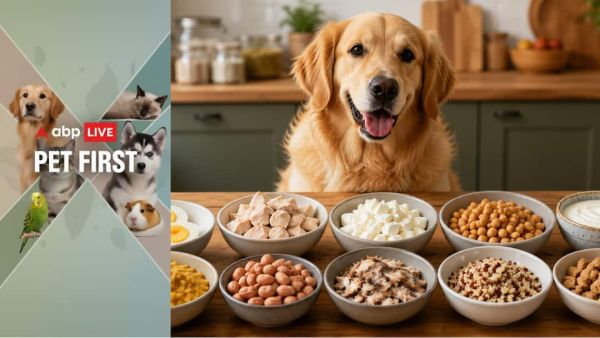
A balanced, protein-rich diet is essential for keeping your dog active, healthy, and full of energy. Protein supports muscle development, strengthens immunity, promotes healthy skin and a shiny coat, and helps maintain overall well-being. While commercial dog food can meet many nutritional needs, adding a few wholesome ingredients to your pet's meals can provide an extra nutritional boost. If you're looking for simple, home-friendly ways to improve your dog's diet, here are 10 protein-rich additions that are easy to prepare using everyday ingredients commonly found in Indian kitchens.
Boiled eggs are an excellent source of complete protein. Chop a cooked egg into small pieces and mix it with your dog's regular meal to support muscle growth and maintain a healthy coat.
Skinless, boneless boiled chicken is one of the best protein sources for dogs. Shred it and combine it with rice or vegetables for a wholesome, balanced meal.
Unsalted paneer provides both protein and calcium. Crumble small amounts into your dog's food as an occasional protein-rich treat.
Well-cooked and mashed chickpeas offer plant-based protein and fibre. Serve only in moderation, as excessive quantities may cause digestive discomfort.
Unsweetened plain curd contains protein along with probiotics that support gut health. Add a spoonful to your dog's meal for better digestion.
Moong dal and masoor dal are nutritious sources of plant protein when cooked thoroughly. Mix small portions with rice and vegetables for a balanced homemade meal.
Finely ground, unsalted peanuts contain healthy fats and protein. Offer only small quantities, as peanuts are calorie-dense and should be fed in moderation.
Boneless cooked fish such as sardines or pomfret provides high-quality protein and omega-3 fatty acids, which help support healthy skin, joints, and a glossy coat.
Quinoa is a protein-rich grain packed with essential amino acids. Mix cooked quinoa with vegetables or lean meat to create a nutritious homemade meal.
Properly soaked and cooked soy chunks are another source of plant protein. Chop them finely before mixing them into your dog's food, but serve occasionally rather than daily.
While these ingredients can improve the nutritional quality of your dog's meals, they should be introduced gradually and in appropriate portions based on your pet's age, breed, size, and health condition. Avoid adding salt, spices, onions, garlic, chocolate, grapes, raisins, or other foods that are toxic to dogs.
Disclaimer: The information provided in this article is intended for general informational purposes only. It is not a substitute for professional veterinary advice, diagnosis, or treatment. Always consult a qualified veterinarian regarding your pet’s health, diet, or any medical concerns.