Between April and July this year, 67 cases were reported from people returning to England, Wales and Scotland, 52 of which had reported travelling to Mexico. Normally, the UK only sees around 93 cases a year. Here’s everything you need to know about cyclospora.
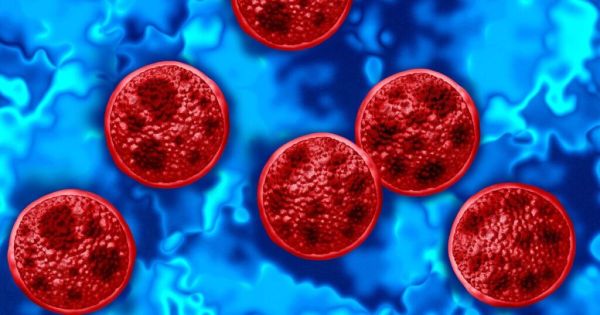
Cyclospora is a parasite that isn’t usually found in the UK but can be picked up in other parts of the world. It causes cyclosporiasis, which usually gets better on its own within a few days or weeks but it’s likely to be an uncomfortable waiting game as the most distinctive symptom is “explosive diarrhoea”.
Symptoms can differ between people but the most distinctive sign is “explosive diarrhoea”. Most symptoms usually begin around a week after getting infected according to the NHS.
Other common symptoms include abdominal cramping, bloating, nausea, flatulence, low-grade fever, loss of appetite and weight loss.
Cyclospora usually gets better on its own within a few days or weeks. During this time, it’s important to stay hydrated as the symptoms cause people to lose fluids rapidly.
People with a weakened immune system may be at higher risk of more severe symptoms or face a longer period of infection. If your infection is severe or persistent you may be given antibiotics.
Cyclospora is not found in the UK. The parasite is more commonly picked up in Central and South America, south and southeast Asia, the Middle East and Africa.
It’s usually passed through contaminated water or food that has not been cooked or cleaned properly. It doesn’t spread from person to person.
The NHS warns people not to eat fruits, salads or raw vegetables that may have been washed in contaminated water, avoid putting ice in your drinks or having tap water even if it’s just to clean your teeth.
The UKHSA is urging all travellers to have good food and water hygiene while abroad to reduce their risk of contracting the parasite. However, the health authority also expects the number of cases to continue rising as people begin heading off on their summer holidays.