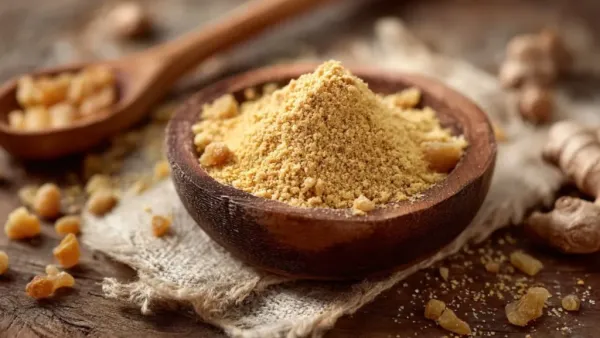
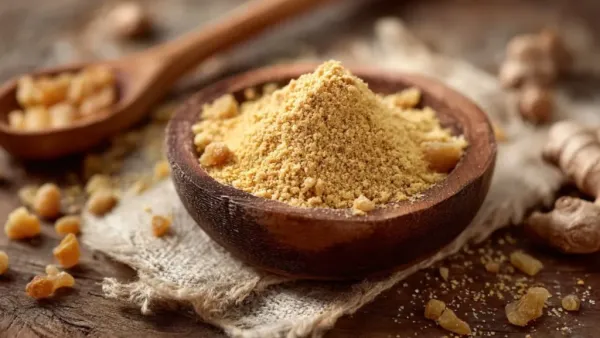
Asafoetida, also known as Hing (Hing) or Asafoetida, has been used in Indian cuisine not only for culinary purposes but also for a variety of health benefits. It is used to enhance the flavor and aroma of dal, vegetables, and many traditional dishes. However, its strong odor has always been a topic of discussion.
Now, once again, Hing, the flavor enhancer of Indian cuisine, is in the headlines, as the renowned food guide Taste Atlas has included it in the list of “The World’s Stinkiest Foods.”
In its list, Taste Atlas describes Asafoetida as a “Pungent Raisin Spice.” However, it is not given any rating on the list.
Why was this list created?
In an Instagram post, Taste Atlas notes that many traditional foods with strong odors weren’t created to shock people. They were created centuries ago to preserve food for longer. The post stated that before the advent of refrigeration, people used fermentation, salting, and other traditional methods to preserve food. This led to the development of many foods with strong odors in different parts of the world. Opinions divided on the internet.
As soon as this list by TasteAtlas was posted on social media, it sparked debate. Social media users offered varied reactions. Many Indians described asafoetida as an essential part of Indian cuisine, saying its aroma completely changes after cooking and that this spice enhances the flavor of lentils and vegetables.
Some foreign users described the raw smell of asafoetida as very pungent. Many jokingly asked, “Asafoetida? Seriously?”, while others said that although its smell is strong, its taste is wonderful after cooking.
The Importance of Asafoetida in Indian Kitchens
Asafoetida is used to temper Indian dishes, especially dal, curry, sambar, kachori, and many other vegetables. Ayurveda also considers asafoetida beneficial for digestion. Even a small amount can transform the taste and aroma of food.