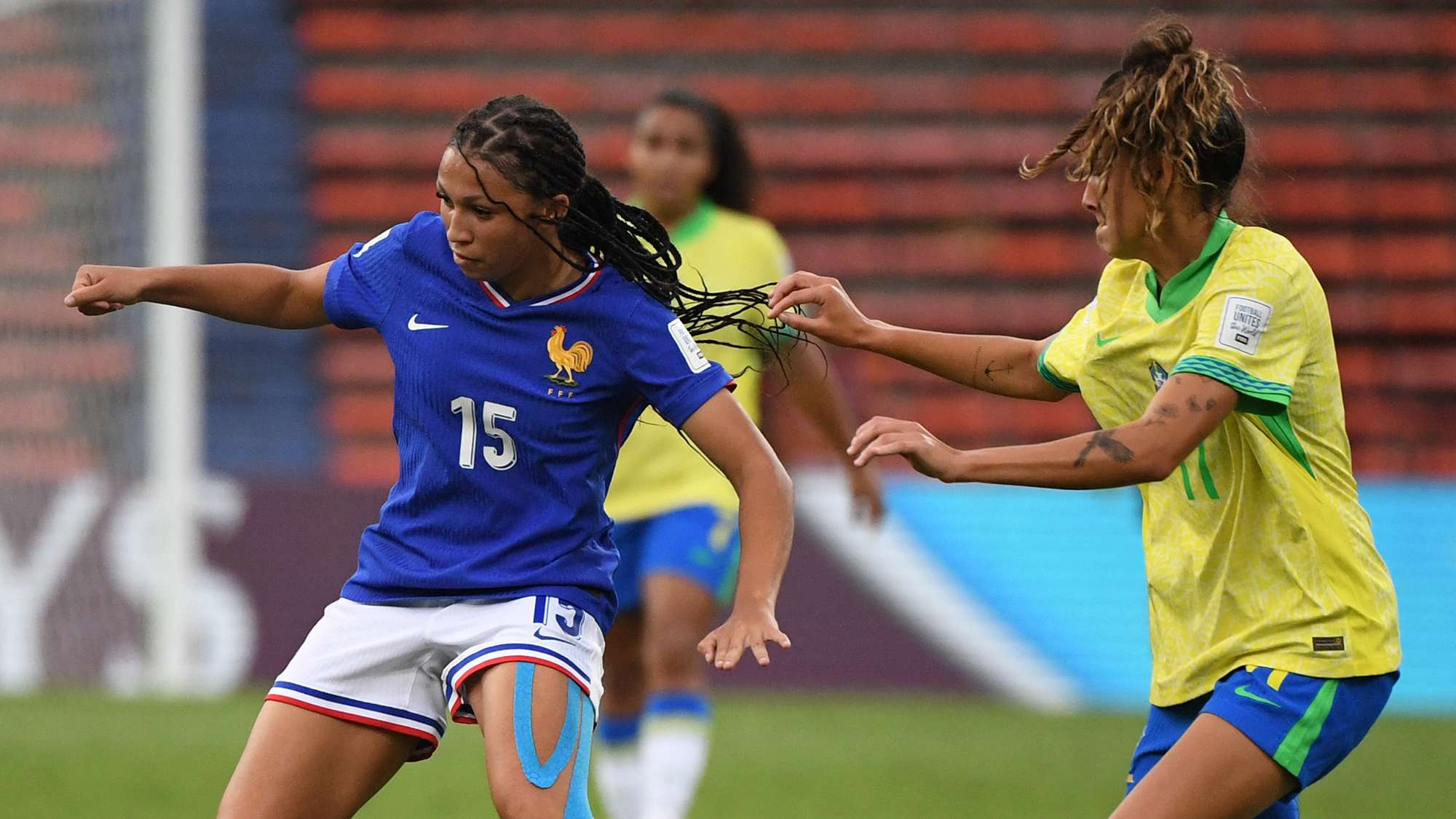
The French Football Federation (FFF) has confirmed that France will take part in the upcoming Under-20 Women's World Cup, holding its line despite the growing stand-off between UEFA and FIFA. While several other European countries have not yet clarified their position, France has made a clear move towards competing in Poland next month.
France break away to confirm tournament participation
The FFF has told BBC Sport that it intends to compete in the forthcoming Under-20 Women’s World Cup in Poland, despite the major political tension currently affecting world football. The decision comes at a crucial moment, with UEFA still weighing up a possible boycott of all FIFA-run competitions after the huge backlash over Gianni Infantino’s controversial commercial plans.
Replying directly on their status for the competition, the French authorities left no doubt about their stance. The FFF released a brief but firm statement on their plans to travel, saying: 'For now, France will be participating to the Fifa U20 Women World Cup.'
The roots of the FIFA and UEFA conflict
The present crisis began after FIFA president Infantino pushed an ambitious but deeply divisive proposal to sell stakes in several FIFA competitions to private investors. The idea was met with immediate and strong opposition from European football’s 55 member associations, who together voted to boycott all FIFA competitions until the proposals were officially withdrawn.
Even after an apology from FIFA’s leadership, UEFA has still not completely backed away from its hard stance. In a statement issued on Thursday, the European governing body said the boycott could still go ahead if certain conditions or underlying concerns are not resolved to its satisfaction.
Uncertainty remains over England and other European heavyweights
While France has chosen to be open about its plans, other leading European nations have been much more cautious regarding their participation. The Football Association has not yet commented on whether England will travel to Poland for the tournament. That silence has added to speculation that some countries may still be waiting for a final instruction from UEFA headquarters before committing their players to the trip.
The stakes for women’s football are especially high in this dispute because the calendar is full of major events that would be the first to feel the effects of any prolonged boycott. If UEFA maintains its hardline position, the consequences would be felt straight away, beginning with the Under-20 World Cup on September 5.
Long-term consequences for the global game
The most damaging possible result of this political battle concerns the 2027 Women’s World Cup. If European teams do not take part in the qualifying play-offs because of a UEFA-enforced boycott, they would not be eligible for the final tournament in Brazil.
For the moment, attention across football is on the six European teams due to play in the tournament - England, France, Italy, Portugal, Spain and hosts Poland. France’s choice to press ahead offers some hope that the competition will go ahead with all its major names involved, but the situation remains highly uncertain.