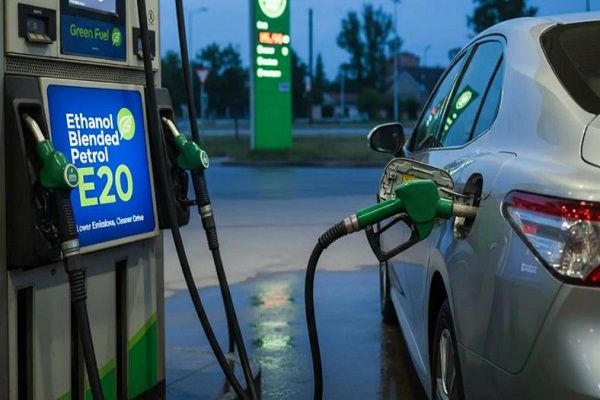
New Delhi, 8 August 2026: Amid recent reports of moisture and chloride in E20 petrol, oil marketing companies have conducted additional and intensive tests in the fuel supply network. According to the companies, the quality of the fuel was found to be within the prescribed norms in scientifically conducted nationwide random tests. The tests did not confirm the claims of chloride up to 500 PPM or widespread moisture in petrol.
OMCs have assured customers that fuel quality is their top priority. According to the companies, any potential issues that may affect vehicle performance or customer confidence are scientifically investigated and immediate corrective actions are taken.
Monitoring of chloride at every stage of the supply chain
The Government of India has set strict chloride limits for ethanol blended in petrol. Compliance is monitored at various levels of the supply chain including refineries, distilleries, depots/terminals and retail outlets. According to OMCs, the quality of the fuel consistently meets these standards.
Over 100 additional petrol samples taken randomly from various refineries were tested. All samples showed chloride levels of 1 ppm or less. The OMCs said this shows the effectiveness of the existing quality control systems in India’s refining and dispatch processes.
A special task force comprising members of OMCs and CHT tested ethanol samples from 80 distilleries across the country in the last 10 days. According to the companies, all samples showed chloride levels of less than three ppm. Ethanol is a major component of petrol blending, and its quality is monitored at the production level.
The standards are also maintained in depot and terminal samples.
Over 80 samples of ethanol and E20 were collected from OMC depots and terminals. According to the companies, the chloride level in all the samples was less than 3 ppm. The quality of fuel is being ensured across the storage and distribution network through regular monitoring.
Over 1,000 retail outlet samples tested
Over 1,000 samples are being tested under the intensive monitoring programme. So far, 160 test reports analysed in the last few days have revealed chloride levels between zero and three ppm. This is in stark contrast to the claims of chloride levels of several hundred ppm made by OMCs.
During the monitoring, only four isolated instances were found to have elevated chloride levels. The supply was immediately stopped at the concerned locations. A detailed root cause analysis was then carried out and necessary corrective actions were taken. Only after taking appropriate action was the supply restored at these locations.
Mandatory inspection and monitoring of underground storage tanks has been started at around 90,000 retail outlets across the country. These tanks are being inspected 8 to 12 times a day. According to OMCs, no case of water ingress into underground tanks has been reported at any retail outlet so far.
Monitoring through mobile laboratories also increased
In addition to the existing quality assurance systems, OMCs have further strengthened the monitoring. Water ingress and density are being tested 8 to 12 times a day at each retail outlet. Mobile fuel quality testing laboratories have also been deployed at various locations. The test results are being independently verified by the fuel laboratories.
The OMCs said that continuous quality monitoring is being carried out across the supply chain and immediate and decisive corrective actions are taken in case of any deviation. Appealing to consumers to continue using E20 petrol with confidence, the companies said that the fuel being made available through the OMC network meets the prescribed quality standards and a robust quality assurance system is in place to protect consumer interests.