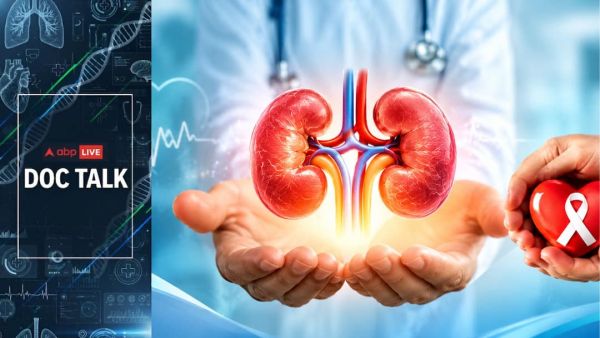
When kidney function declines to around 10%, the body can no longer remove waste products efficiently, maintain fluid balance, or regulate essential minerals. Without prompt medical treatment, toxic substances build up quickly and may cause serious, potentially life-threatening complications. At that point, a Kidney Transplantation Procedure (KTP) is viewed as the most effective long-term option, giving eligible patients the chance to regain kidney function and substantially improve their quality of life.
Kidney disease rarely appears suddenly. In most cases, it develops slowly over many years, often because of diabetes or high blood pressure that has not been well controlled. Excess blood sugar can injure the kidneys’ filtering units; high blood pressure, meanwhile, damages the blood vessels that help the kidneys function. Autoimmune disorders, repeated kidney infections, inherited diseases such as polycystic kidney disease, and prolonged use of certain kidney-damaging medications can also contribute.
For patients with end-stage kidney disease, the Kidney Transplantation Procedure (KTP) is widely considered the gold standard of treatment. Replacing the failed kidney with a healthy donor organ can restore near-normal kidney function, extend long-term survival, and help patients regain a more active, independent life. A successful transplant often brings better health outcomes than long-term dialysis, along with fewer dietary and fluid restrictions and a significantly higher quality of life.
However, the success of transplantation depends on the availability of suitable donor organs. This makes organ donation a critical component of the transplant ecosystem. Every individual who chooses to pledge their organs has the potential to save or dramatically improve multiple lives, including those of patients awaiting a kidney transplant. Increasing awareness about both living and deceased organ donation can help bridge the gap between the growing number of patients on transplant waiting lists and the limited availability of donor organs.
As of March 2026, the data from the National Organ and Tissue Transplant Organization (NOTTO) shows that about 89,839 people in India are waiting for a transplant that can save their lives. If we can get more people to talk about organ donation and support it, we can help make sure that people who need a transplant can get one and have a life.
It is still important to try to prevent kidney disease through early detection, healthy life choices, and effective management of diabetes and hypertension remains essential, organ donation continues to be one of the most meaningful ways to give patients with end-stage kidney disease a second chance at life. On this Organ Donation Day, we should try to get more people to learn about organ donation, talk about it, and donate their organs so we can help people who need a transplant.