Food poisoning is very common during the monsoon season since the higher humidity and moisture provide favorable conditions for bacteria and other microbes to grow, causing food to go bad more quickly. According to nutritionist Rupali Datta, “During monsoon, our digestive system becomes slow and may lead to common symptoms like bloating, gas and indigestion that, in turn, make us feel uncomfortable.” Food safety is important all through the year, but some foods are seen as especially dangerous during the rainy season. In order to decrease the chances of getting ill, it might be advisable to either limit or avoid them.
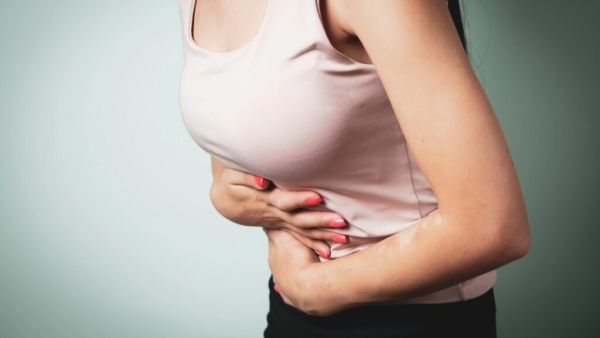
Common symptoms of food poisoning include:
Photo: Unsplash
According to the US Centers for Disease Control and Preventionchicken, turkey and beef may contain harmful bacteria such as Salmonella and E. coli if they are not cooked thoroughly.
Eating foods that are made with raw or undercooked eggs, such as home-made mayonnaise and some desserts, could increase the risk of getting a foodborne illness.
The official website of FoodSafety states that raw fish, sushi and shellfish may contain harmful bacteria, viruses or toxins, in particular when they are obtained from polluted waters.
The CDC states that raw milk and soft cheeses made from unpasteurized milk can contain harmful bacteria such as Listeria.
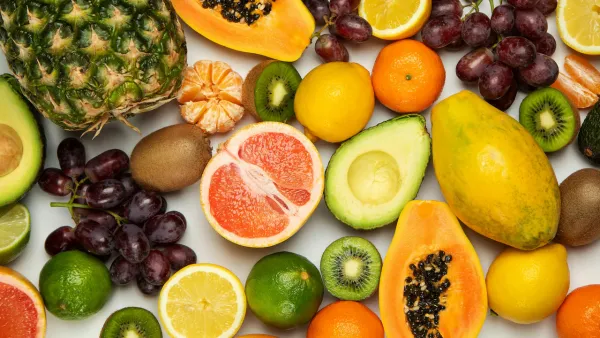
Photo: Unsplash
Fruits that have not been washed, as well as leafy greens and vegetables, may have on them germs, soil contaminants, and bacteria from the irrigation water.
Rice, noodles and pasta which have been left at room temperature for a long time can become habitats for bacteria.
Salads that are pre-packed, together with coleslaw, potato salad and deli meats which have been sliced, can go bad quickly if they are not stored correctly and may also be made contaminated while being handled.
When you are cooking at home during the monsoon, follow these simple and easy tips.
Before you eat or cook any fruits or vegetables, you should rinse them thoroughly under running water. It is just as important to wash your hands with soap and water for at least 20 seconds both before, during and after preparing food. Make sure to wash your hands once more before eating.
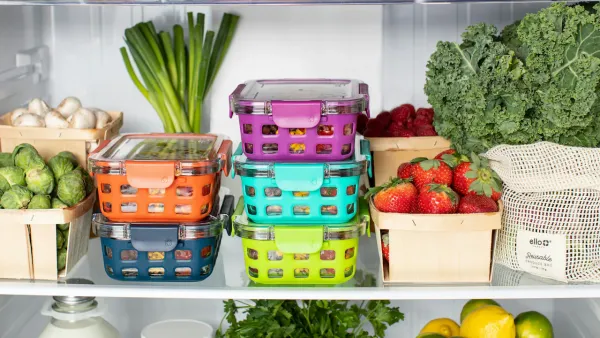
Photo: Unsplash
To avoid cross-contamination, it is necessary to keep raw meat, poultry, seafood and eggs separate from any cooked or ready-to-eat foods since harmful bacteria can easily spread from raw foods to kitchen surfaces and to other ingredients.
Cook the food until it has reached a safe internal temperature so that harmful germs are destroyed. If you are not sure that the meat has been properly cooked, then use a food thermometer to check.
Bacteria reproduce quickly if food is left out at room temperature for a long time. Perishable foods should be stored in the refrigerator at 40°F (4°C) or below and freezers should be set at 0°F (-18°C) or below. It is best to put cooked food in the refrigerator within two hours of preparing it.
Taking care about the food you eat and the way you handle it can do a great deal towards keeping you and your family healthy during the monsoon season.