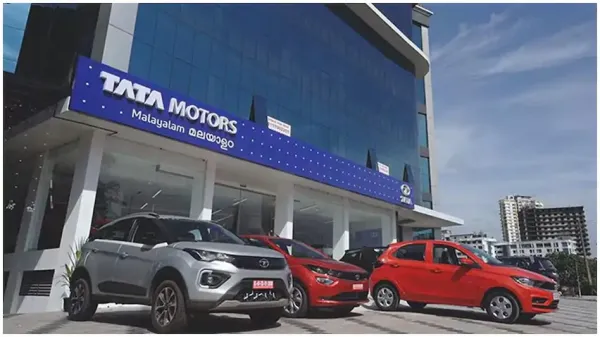
The Indian automobile market is going through an interesting situation at the moment. On one hand, there is a strong growth in car sales, while on the other hand, there is increased pressure on the profits of the country's major automobile manufacturing companies. That is, more vehicles are being sold, but the earnings of the companies are not increasing at the same pace. The recent quarterly performance of big companies like Maruti Suzuki, Tata Motors and Hyundai has brought this contradiction to the fore. After all, why are profits decreasing despite increasing sales? Many domestic and global reasons are working behind this.
Increased cost of raw materials increased pressure
Steel, aluminium, rubber, plastic and many other raw materials are required in vehicle manufacturing. The increase in their prices has a direct impact on the costs of companies. Due to tension in West Asia and uncertainty in the global supply chain, logistics expenses have also been affected. In such a situation, despite selling more vehicles, companies are not able to earn the same amount on every vehicle as before. This is the reason that despite the increase in sales volume, there is pressure on the operating margin.
Heavy discount spoils the profit game
Another major challenge for the auto sector has been the inventory with dealers. In the last round, a large number of vehicles were sent by the companies to the dealer network. Due to this, stock increased in some models and segments.
To remove old vehicles and attract customers, companies and dealers resorted to discounts, exchange bonuses and other offers.
This is good news for customers, but for companies it means that the actual earnings from selling a car may be less.
Especially on models where higher discounts are being given, the direct impact of the discount is visible on the profit margin.
Increasing cost of safety and environmental regulations
Auto companies are forced to make technological changes to their vehicles to meet the ever-changing safety and environmental standards. Airbags, electronic safety features, emission standards and vehicle life cycle regulations require companies to spend extra on technology, production and compliance. These changes are intended to make vehicles safer and more environmentally friendly, but they increase costs for companies. In some cases, the provisions to the new rules may also impact the financial results.
Sales got support due to tax changes, but margin challenge remains
Tax changes in some vehicle categories and better consumer demand in the market have supported sales. This increased the flow of customers in showrooms and many companies saw strong growth in sales. But increasing sales does not always mean increasing profits. If production costs, discounts, financing expenses and other operating costs increase rapidly, the margins of companies may come under pressure. The same situation is currently visible in the auto sector.
Effect of export and currency also
A part of the business of Indian automobile companies is also to foreign markets. Fluctuations in the currencies of different countries can affect the export earnings of companies. Apart from this, due to tension in West Asia and uncertainty in global trade, shipping and logistics costs can also be affected. In such a situation, despite strong domestic sales, the profit from international business may weaken.
What will be the big question for auto companies going forward?
The biggest challenge currently facing auto companies is to improve margins while maintaining sales momentum. If there is relief in raw material prices, inventory comes to normal levels and discount pressure reduces, then it is possible to improve the profitability of the companies. On the other hand, if both costs and competition continue to increase, then pressure on profits may remain despite record sales. That is, the current formula of the Indian auto market has become something like this – more customers in the showroom, more sales, but the earning on each car is less than before. This is going to be the biggest question for companies and investors in the coming quarters.