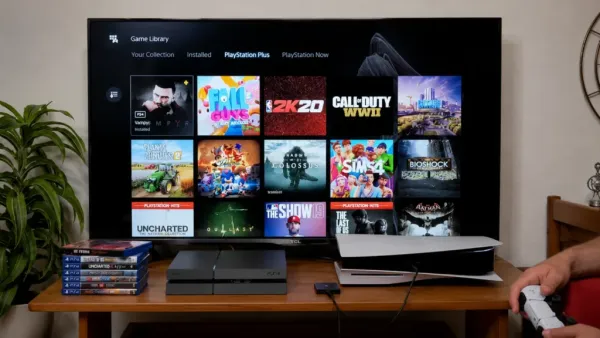
PlayStation users have started a week-long boycott in response to Sony’s decision to move away from physical game releases. The #PSBlackout campaign, running from August 23 to August 30, calls on players to stop using their consoles and PlayStation services during the protest period. Supporters are also being encouraged to avoid purchases on the PlayStation Store.
The campaign reflects growing frustration among parts of the PlayStation community over the decline of physical games. For many players, physical copies offer greater control over their collections and allow games to be retained, exchanged or resold.
Sony’s move toward digital distribution has become a major point of disagreement with some PlayStation fans. The company has indicated that it intends to continue moving toward a digital-focused model despite criticism from enthusiasts. Sony’s chief financial officer previously said the company was not seeing a significant business impact from the backlash and planned to continue with its strategy.
The change is particularly important for game preservation. Physical copies can remain playable independently of an online store, while digital purchases can depend on platform accounts, licensing agreements and continued access to digital services.
The controversy gained further attention when Sony sent PlayStation users an email containing its terms and user agreements. The message reminded customers that digital software is licensed to users rather than sold as traditional property.
This distinction has frustrated players who consider purchasing a digital game to be equivalent to buying a permanent copy. Under the licensing model, the user’s access is governed by Sony’s terms and the relevant software license.
The timing of the reminder was especially controversial because it arrived as the #PSBlackout campaign was getting underway. Critics argue that the combination of a digital-only future and license-based ownership makes questions about long-term access and game preservation increasingly important.
The dispute is about more than simply choosing between a disc and a download. Physical games can give players a tangible collection and, depending on the title, greater independence from digital storefronts. They can also have value for collectors and game-preservation efforts.
A digital-only ecosystem, meanwhile, places greater emphasis on platform stores and licenses. If a game is removed from sale or digital service changes in the future, players may have fewer options for accessing older titles.
For this reason, the PlayStation controversy has become a part of a wider debate across the gaming industry about digital ownership, consumer rights and preservation.
The #PSBlackout campaign may not necessarily force Sony to change its strategy, particularly given the company’s previous comments that the backlash has not significantly affected its business. However, the protest demonstrates that a section of PlayStation’s audience remains strongly attached to physical games.

Ultimately, the dispute highlights the changing relationship between games and the platforms on which they play. As the industry moves increasingly towards digital distribution, players are questioning what it really means to “own” a game and how long they can expect access to the games they have paid for.
The #PSBlackout campaign shows the growing concern among PlayStation players about the shift from physical games to a digital-only future. Sony’s licensing model has also raised questions about what consumers actually own when they purchase a digital game. While digital distribution offers convenience, players continue to value long-term access, ownership and game preservation. The controversy highlights the need for Sony to balance its digital strategy with expectations of its gaming community.