How Does the Pancreas Work? Know the Warning Signs of Pancreatic Problems and Cancer
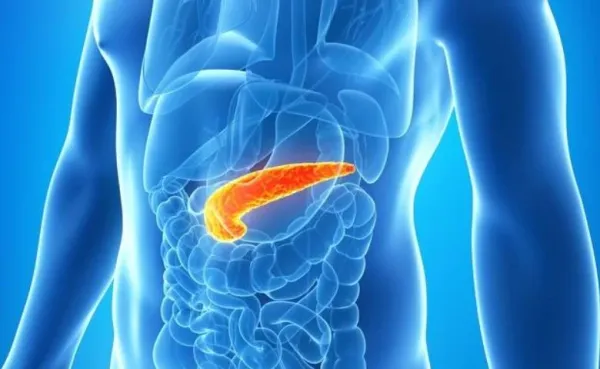
The pancreas is a small but extremely important organ located behind the stomach. It plays a major role in both digestion and blood-sugar regulation. Problems with the pancreas can sometimes develop quietly, so understanding its function and recognising persistent warning signs is important.
What Does the Pancreas Do?
The pancreas performs two major jobs.
1. It Helps Digest Food
The pancreas produces digestive enzymes that enter the small intestine and help break down:
- Fats
- Proteins
- Carbohydrates
It also produces bicarbonate, which helps neutralise stomach acid as food enters the small intestine.
2. It Controls Blood Sugar
The pancreas contains specialised cells that produce hormones such as insulin and glucagon.
Insulin helps move glucose from the bloodstream into cells, lowering blood sugar.
Glucagon helps raise blood sugar when it becomes too low.
This is why pancreatic dysfunction can sometimes affect blood-glucose control.
What Happens When the Pancreas Isn’t Working Properly?
Pancreatic problems can include pancreatitis, pancreatic insufficiency, cysts and pancreatic cancer. Symptoms depend on the underlying condition.
Some warning signs that deserve medical attention include:
1. Persistent Upper-Abdominal Pain
Pain in the upper abdomen that doesn’t go away, particularly if it radiates toward the back, can occur with pancreatic disorders.
2. Unexplained Weight Loss
Losing weight without deliberately changing your diet or activity level can have many causes, but persistent unexplained weight loss should be evaluated.
3. Digestive Problems
If the pancreas isn’t producing enough digestive enzymes, food—particularly fat—may not be properly digested.
This can cause:
- Greasy or oily stools
- Loose or unusually bulky stools
- Bloating
- Abdominal discomfort
- Excessive gas
4. Jaundice
Yellowing of the skin or whites of the eyes, particularly when accompanied by dark urine or pale stools, can indicate blockage of the bile ducts.
Pancreatic cancer in the head of the pancreas can sometimes cause this by obstructing the bile duct.
5. Nausea and Vomiting
Persistent nausea or vomiting can occur with several pancreatic and gastrointestinal conditions and shouldn’t be ignored when it continues or is accompanied by significant abdominal pain.
6. Changes in Blood Sugar
The pancreas plays an important role in glucose regulation. A new or unexplained change in blood sugar, particularly new-onset diabetes, can occasionally be associated with pancreatic disease.
However, diabetes is extremely common and does not mean someone has pancreatic cancer.
When Does Pancreatic Cancer Occur?
Pancreatic cancer develops when abnormal cells in the pancreas begin growing uncontrollably and form a malignant tumour.
The exact cause isn’t always known. Several factors can increase risk, including:
- Increasing age
- Cigarette smoking
- Chronic pancreatitis
- Certain inherited genetic conditions
- A family history of pancreatic cancer
- Some other metabolic and lifestyle factors
Most pancreatic cancers are not caused by one identifiable factor.
Why Is Pancreatic Cancer Difficult to Detect Early?
One of the biggest challenges is that early pancreatic cancer may cause few or nonspecific symptoms.
The pancreas is located deep inside the abdomen, so a tumour may grow for some time before causing obvious symptoms.
When symptoms do appear, they may resemble common digestive problems.
Possible signs include jaundice, persistent abdominal or back pain, unexplained weight loss, loss of appetite, nausea and changes in bowel habits.
Importantly, these symptoms can be caused by many conditions that are much more common than cancer.
When Should You See a Doctor?
Don’t wait if symptoms are persistent, worsening or occurring together.
Medical evaluation is particularly important for unexplained jaundice, persistent abdominal or back pain, unexplained weight loss, ongoing vomiting, significant digestive changes or newly developed blood-sugar abnormalities.
Doctors may use blood tests, ultrasound, CT or MRI scans and, when appropriate, specialised tests such as endoscopic ultrasound to investigate the pancreas.
The Bottom Line
The pancreas has two essential roles: it produces digestive enzymes and helps regulate blood sugar through hormones such as insulin and glucagon.
Problems with the pancreas can cause abdominal or back pain, digestive changes, jaundice, weight loss and blood-sugar abnormalities. However, having one of these symptoms does not automatically mean pancreatic cancer.
Because early pancreatic cancer can be difficult to recognise, persistent or unexplained symptoms should be evaluated by a healthcare professional rather than self-diagnosed.
Medical Disclaimer: This article is for general informational purposes only and is not a substitute for professional medical advice, diagnosis or treatment.