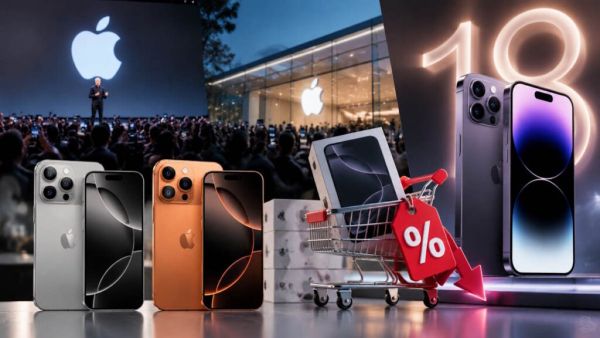
iPhone 17 Price Hike: Apple has made an unusually bold pricing move in India, increasing the prices of several older iPhone models on the very day it introduced its latest premium lineup. The decision marks a major departure from Apple's long-standing practice of making previous-generation iPhones more affordable after a new model arrives.
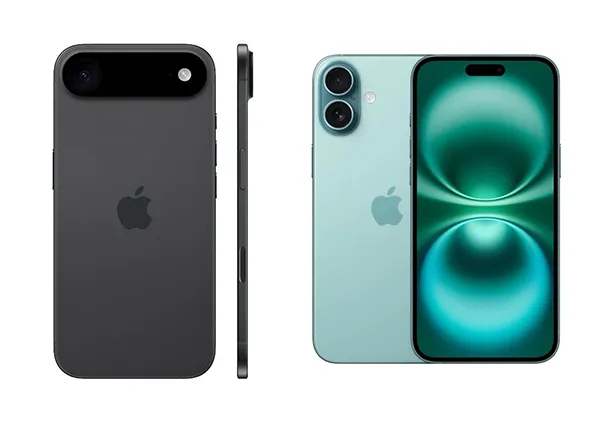
The iPhone 17 now starts at Rs 99,900 in India, a steep Rs 17,000 increase from its earlier Rs 82,900 price. The iPhone 16 has become Rs 20,000 costlier, while the iPhone 17e has received a Rs 15,000 price increase. The iPhone Air has seen the sharpest jump, with its price climbing by Rs 30,000 to Rs 1,49,900.
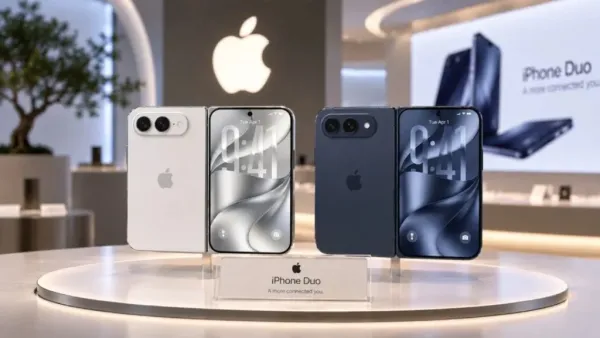
The timing is particularly striking because Apple unveiled the iPhone 18 Pro, iPhone 18 Pro Max and its first foldable smartphone, the iPhone Duo, alongside the price changes.
| iPhone Model | Old Price | New Price | Price Hike |
|---|---|---|---|
| iPhone 17 | Rs 82,900 | Rs 99,900 | Rs 17,000 |
| iPhone 16 | Rs 79,900 | Rs 99,900 | Rs 20,000 |
| iPhone 17e | Rs 69,900 | Rs 84,900 | Rs 15,000 |
| iPhone Air | Rs 1,19,900 | Rs 1,49,900 | Rs 30,000 |
Historically, Apple's launch strategy has followed a familiar pattern. Once a new generation enters the market, older iPhones either receive a price cut or become the company's comparatively affordable options.
That pattern has now been disrupted in India.
Rather than reducing the cost of the iPhone 17 following the arrival of the iPhone 18 Pro series, Apple has pushed its price significantly higher. The Rs 17,000 increase puts the standard iPhone 17 much closer to Apple's premium pricing territory.
The move also means buyers looking for a previous-generation iPhone can no longer automatically expect a lower official price after Apple's annual launch event.
The biggest factor behind the unusual pricing strategy appears to be the rapidly increasing cost of memory components.
“Chipflation” refers to inflation linked to rising semiconductor prices, and memory chips are currently facing particularly strong demand. DRAM and NAND are used extensively across smartphones, computers and other consumer electronics, while also playing a crucial role in the infrastructure supporting generative AI.
The rapid expansion of AI data centres has created enormous demand for memory hardware. Cloud companies and AI developers are purchasing substantial quantities of processors and memory, placing additional pressure on supply available to consumer electronics manufacturers.
TrendForce estimated in August that the bill of materials for a 256GB iPhone 18 Pro could rise by around 38% year-on-year, with higher memory costs being a major contributor. Memory was estimated to account for roughly 34% of the phone's bill of materials in the third quarter of 2026, compared with about 10% a year earlier.
The irony is that the AI revolution is not only changing the software and services people use. It is also affecting the cost of everyday technology.
The enormous computing infrastructure required for generative AI needs vast quantities of memory and other advanced components. Semiconductor manufacturers have strong reasons to prioritise lucrative AI-related hardware, leaving companies producing smartphones and PCs to deal with tighter supplies and higher costs.
Increasing semiconductor capacity is also not an overnight solution. New manufacturing facilities require significant investment and years of development before they can meaningfully increase supply.
As a result, manufacturers have limited options when component prices climb. They can absorb the additional expense through lower margins, alter specifications or pass some of the increase to customers through higher retail prices.
Apple's latest iPhone pricing move also follows earlier indications that the company was facing growing component expenses.
In a June interview with the Wall Street Journal, then-CEO Tim Cook said price increases had become unavoidable amid soaring memory and storage costs driven by demand from AI data centres.
Apple had already increased prices for a number of Mac and iPad models, including the MacBook Neo, MacBook Air, MacBook Pro and several iPad models.
The iPhone lineup has now become the latest area where those cost pressures are becoming visible to consumers.
India Faces A Major iPhone Shock
The impact is especially noticeable in Apple's Indian lineup.
The Rs 30,000 increase for the iPhone Air is the largest absolute price jump among the affected models. However, the iPhone 17's new Rs 99,900 starting price could have a wider impact because the standard model has traditionally served as a more accessible entry point into Apple's latest-generation lineup.
With the older iPhone 17 becoming more expensive instead of cheaper, Apple's usual product ladder has changed considerably.
Consumers who expected the previous generation to become a bargain after the latest launch may therefore have to reconsider their upgrade strategy.
Apple's product strategy this year adds another layer to the pricing changes.
The company has introduced the iPhone 18 Pro and iPhone 18 Pro Max, as well as the iPhone Duo, but the standard iPhone 18 has not arrived alongside them. Reports have pointed towards a spring 2027 launch for the standard model.
That creates a split iPhone launch cycle, with Apple's premium devices arriving ahead of the crucial festive and year-end shopping period while the mainstream iPhone 18 range is expected later.
For Apple, this creates additional flexibility in managing the positioning of its existing models while navigating higher component costs.
The larger question is whether this year's price increases signal a broader change for consumer electronics. For years, falling component costs and manufacturing efficiencies allowed companies to offer more powerful devices without proportionally higher prices.
The AI infrastructure boom could challenge that trend. If memory costs remain elevated, smartphones and computers may become more expensive even as their capabilities continue to improve.
For iPhone buyers, Apple's latest move delivers a particularly unusual message: a new iPhone has arrived, but the old iPhone did not get cheaper.