From Heroic Comeback to Sudden Setback: Rohit Sharma’s return to India’s domestic one-day circuit has quickly turned into a story of sharp contrasts, reminding fans and experts alike of the unpredictable nature of cricket. After producing a breathtaking performance in one match, the experienced batter faced an abrupt and humbling end in the very next game. This dramatic shift has added fresh layers to his comeback narrative, making it one of the most discussed moments of the ongoing Vijay Hazare Trophy season.
After a gap of seven years, Rohit Sharma stepped back into the Vijay Hazare Trophy, a tournament that has historically played a key role in shaping Indian cricketing careers. His return was seen as more than just another domestic appearance; it symbolized a senior professional reconnecting with the roots of Indian cricket. Fans were eager to see how the former India captain would adapt to the competitive intensity of the domestic circuit after years of international exposure.
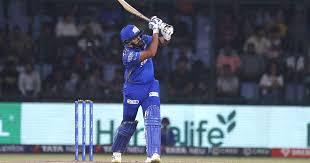
Rohit wasted no time in making his presence felt. In his previous outing against Sikkim, he delivered a commanding innings that instantly silenced any doubts about form or motivation. Scoring a magnificent 155 runs off just 94 balls, he showcased his trademark timing, effortless stroke play, and controlled aggression. The innings was filled with authoritative drives, clean pulls, and towering sixes, reflecting a batter completely in control of his craft.
This knock was widely viewed as a reminder of Rohit’s class and experience. Analysts praised his shot selection and ability to dominate bowling attacks, even in unfamiliar domestic conditions. For many, this innings looked like the perfect launchpad for a strong run in the tournament.
With momentum firmly on his side, expectations were sky-high when Mumbai faced Uttarakhand in Jaipur. The Sawai Mansingh Stadium witnessed a packed crowd, with fans hoping to see another memorable performance from the star batter. The atmosphere was electric, driven by the belief that Rohit might once again produce something special.
Supporters anticipated a long stay at the crease, especially after his dominant showing in the previous match. The stage seemed perfectly set for another headline-making innings.
Cricket, however, has a way of defying expectations. Rohit’s innings against Uttarakhand lasted only a single delivery. Devendra Singh Bora bowled a clever ball that caught the batter off guard, resulting in a golden duck. The sudden dismissal sent shockwaves through the stadium, leaving fans stunned and silent.
The contrast could not have been more striking. From a blistering century to a scoreless dismissal, Rohit’s journey across two matches highlighted the thin margins that define the sport. As he walked back to the pavilion, many spectators began to leave their seats, struggling to process how quickly the excitement had evaporated.
The crowd’s reaction told its own story. What began as a hopeful and energetic atmosphere quickly turned subdued. The early loss of such a key wicket not only affected the mood in the stands but also shifted the momentum of the match. For Uttarakhand, the dismissal was a massive boost, while Mumbai had to regroup almost instantly.
Despite the disappointment, one low score does not erase the significance of Rohit’s return or the quality he displayed earlier. Experienced players often speak about the importance of perspective, and this moment serves as a reminder that form can fluctuate, especially in the longer narrative of a tournament.
For Rohit, this phase is likely about rhythm, match practice, and reconnecting with competitive cricket at the domestic level. His earlier century has already demonstrated that his batting remains sharp, and setbacks like this are part of the journey.
As the Vijay Hazare Trophy progresses, attention will remain firmly on Rohit Sharma’s performances. Fans and selectors alike will watch how he responds to this setback, knowing that elite players are often defined by their ability to bounce back. Whether this golden duck becomes a mere footnote or a turning point will depend on how he shapes his upcoming innings.