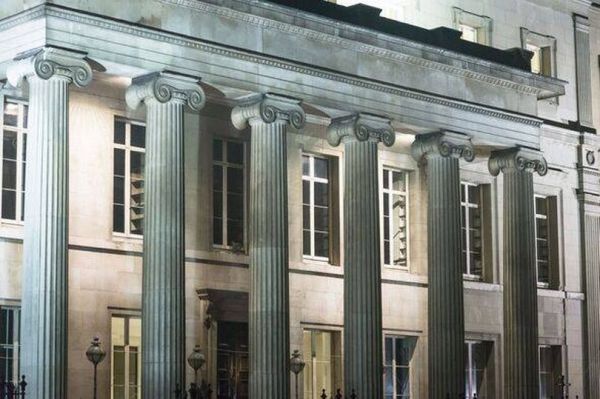
Nestled in a leafy London square, encircled by stunning Georgian architecture, stands the 200-old Royal College of Surgeons building. Despite its impressive columns and elaborate exterior stonework, few would guess that behind these historic walls lies one of Britain's most macabre museums.
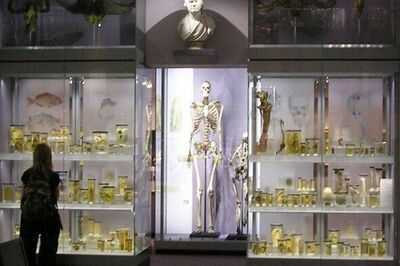
The Hunterian Museum houses a vast array of anatomical specimens - both animal and human - guaranteed to fascinate, educate, and shock visitors in equal measure. It also serves as a monument to medical trailblazers, featuring artworks and sculptures that chronicle the lives of those who revolutionised modern surgery.
Many galleries in this free-to-visit attraction boast towering shelves stretching from floor to ceiling, each crammed with jars containing fascinating and extraordinary specimens, reports the Express. Most originate from the animal kingdom, showcasing an array of dissected beings preserved for scientific research.
Yet controversially, the collection also features human remains, including foetuses, potentially making for an unsettling experience unsuitable for those of a sensitive disposition.
A warning on their website cautions: "Viewing human remains can evoke powerful emotions which some visitors can understandably find difficult. Visitors should consider whether visiting the Hunterian is right for them."
The museum asks that visitors avoid photographing human remains or sharing such images on social media. They continue: "Many of the preparations of human tissue on display in the Hunterian Museum were gathered before modern standards of consent were established. We recognise the debt owed to those people - named and unnamed - who in life and death have helped to advance medical knowledge."
For decades, heated debate surrounded the exhibition of Charles Byrne's skeleton, a gentleman renowned for his extraordinary stature, measuring roughly 7 ft 7 in at the time of his death. Even as Charles lay dying, he anticipated that body snatchers would target his remains, leading him to explicitly request burial at sea.
Despite his desperate wishes, his skeleton was acquired by the museum, where it remained on show for more than 200 years. Only in 2023, after many prolonged campaigns, was it finally taken down.
Additional exhibits feature teeth extracted from troops who battled at Waterloo and a pair of false teeth that previously belonged to Winston Churchill. There's a macabre relic from Britain's first mummy dissection in 1763, featuring a severed foot preserved under a glass case.
The Evelyn Tables are another eerie yet captivating exhibit. At first glance, they might be mistaken for a piece of modern art hanging on the wall.
However, these are among the oldest anatomical preparations in Europe, created to educate students about the human body. Each wooden slab showcases a different part of the body, such as arteries, nerves, and veins.
These were dissected from a human body, assembled, and then varnished, ensuring their preservation for many years.
But perhaps the most spine-chilling exhibits are the surgical tools used prior to the invention of anaesthesia, when surgery was a gruesome and bloody affair. Seeing an 18th-century amputation kit or a dental set really brings home the sheer terror of undergoing a procedure back then and makes you grateful for modern medicine.
• 'Oldest house in London' still standing today despite Great Fire of London
• 109-mile-long tunnel maze hidden beneath city that could save it from climate change
The Hunterian Museum welcomes visitors from Tuesday to Saturday, between 10am and 5pm. Entry is free, but it's advisable to book a slot online, as it can get busy at peak times.
Have a story you want to share? Email us at webtravel@reachplc.com