Magha month : holds a place of deep spiritual, cultural, and social importance in the Hindu lunar calendar. Generally occurring between January and February, this sacred period begins when the Sun enters Capricorn, also known as Makara Rashi. For centuries, Magha has been regarded as a highly auspicious time for religious observances, inner discipline, and community-oriented activities. It is believed that spiritual efforts undertaken during this month yield manifold results, making it especially meaningful for seekers, devotees, and householders alike.
In ancient scriptures and traditions, Magha was also known by the name Tapa, symbolizing penance, self-control, and spiritual heat generated through disciplined living. Climatically, this period marks a gradual transition from the intense chill of winter toward the gentler warmth of spring. This natural shift is believed to mirror an inner transformation, where devotion deepens and clarity of thought increases. Rituals that were paused during the previous month resume with renewed energy, bringing spiritual and social life back into motion.
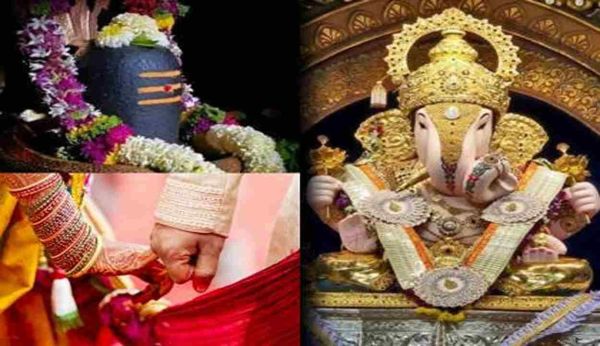
Magha is particularly revered by followers of Lord Shiva and Lord Ganesha. The devotional atmosphere throughout the month is enriched by important observances dedicated to these deities. Temples witness increased footfall, and households engage in prayers, fasting, and recitation of sacred texts, creating an environment filled with faith and reverence.
One of the major festivals of this month is Ganesha Jayanti, celebrated on the fourth day of the bright lunar phase. According to belief, Lord Ganesha manifested in the form of Mahotkat Vinayak on this day. For devotees, it is a time to seek wisdom, remove obstacles, and begin new ventures with divine blessings. In the year 2026, this festival will be observed on January 22, drawing devotees into collective celebrations and rituals.
Another highly significant observance during Magha is Maha Shivaratri, which falls on the fourteenth day of the dark lunar phase. This night-long vigil dedicated to Lord Mahadeva symbolizes spiritual awakening, self-restraint, and surrender. The unique emotional bond between Shiva and Ganesha is often highlighted during this time, filling the month with profound devotion. In 2026, Maha Shivaratri will be observed on February 15.
Magha also emphasizes the worship of the Sun, the cosmic source of life and vitality. Ratha Saptami, observed on the seventh day of the bright phase, celebrates the Sun God’s chariot, traditionally depicted with seven horses. This day is associated with health, energy, and illumination. The following day is Bhishma Ashtami, when people perform remembrance rituals in honor of Bhishma Pitamah. This observance reflects the deep-rooted cultural values of gratitude, respect for elders, and remembrance of righteous lives.
Das Navami, commemorating Samarth Ramdas Swami, also falls within Magha. For followers of his teachings, this day is dedicated to introspection and the study of Dasbodha, which emphasizes self-discipline, devotion, and social responsibility. It serves as a reminder to align personal conduct with higher moral and spiritual ideals.
As Magha progresses, nature itself begins to transform. Trees sprout new leaves, and the melodious call of the cuckoo announces the arrival of spring. This seasonal renewal is accompanied by cultural activities such as lecture series, music festivals, and spiritual discourses, offering both intellectual stimulation and artistic enjoyment.
Charity holds special importance during Magha. Traditional teachings encourage individuals to dedicate a portion of their earnings to societal welfare, reinforcing the idea of collective responsibility. With the restrictions of the previous month lifted, auspicious ceremonies like engagements, thread ceremonies, and housewarming rituals regain their prominence, adding joy and positivity to family and community life.