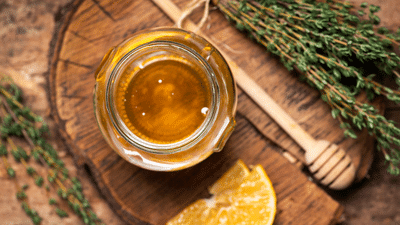
Honey has been widely used around the world for its various benefits. The various health benefits of honey are widely popular. From diabetes to inflammation, honey has shown to manage it all. Also, the taste that honey adds to foods cannot be ignored.
While honey is found in most homes and is also used, it is still a BIG NO for infants. But why can’t babies eat honey? Why is honey harmful for babies? Well, as much as we love honey for its taste and health benefits, it can pose a serious danger when consumed by babies. Honey can cause a condition called infant botulism.
Let’s understand why honey is harmful for babies and what to do if a baby gets infant botulism.
Why Should Babies Not Have Honey
Honey is a source of bacteria called Clostridium botulinum. When a baby is given honey, they may ingest the spores of the bacteria present in honey. As a result, the toxin from these spores can affect the baby’s nerves and muscles, causing a condition called infant botulism.
A baby’s immune system is still developing. Hence, even a little amount of honey can be harmful for them. Babies who get infant botulism require urgent medical care. However, the good news is that with the right care and treatment, most babies recover fully from infant botulism.
What Are the Infant Botulism Causes Parents Should Be Aware Of
Honey is the most well-known cause of botulism in infants. However, it is not the only cause. Infant botulism causing bacteria lives naturally in the environment. This bacterium is found in dust and soil. Unlike infants, older children and adults have well-developed immune and digestive systems. Hence, they can safely eliminate the spores. The key infant botulism causes include:
- Honey (raw, processed, organic, or commercial)
- Environmental exposure to dust or soil
Most cases occur in babies younger than six months. However, all infants under 12 months remain at some level of risk. This is why doctors recommend avoiding honey completely during the first year of life.
Can Babies Have Cooked or Baked Honey Safely?
Is baked or cooked honey safe for babies? This is a very common and understandable question. But raw or cooked, honey is harmful for babies. The spores that cause infant botulism are heat-resistant. Cooking or baking does not reliably destroy them. This means honey is unsafe for babies, even when it is used as an ingredient in:
So, parents, remember,
honey in any form before one year of age is HARMFUL.
What Are Infant Botulism Symptoms Parents Should Watch For?
Infant botulism often develops slowly. Early signs can be subtle, which makes awareness especially important. Common infant botulism symptoms include:
- Constipation, often one of the earliest signs
- Difficulty sucking or feeding
- Reduced movement of arms, legs, or neck
- Excessive drooling
- A floppy or limp feeling when held
- Breathing difficulties in severe cases
- Weak facial expressions
- Weak or softer cry
- Drooping eyelids
It is important to know that babies with infant botulism may not have a fever. They may also appear alert, making symptoms easy to overlook.
NOTE: If your baby has eaten honey and you notice any of these signs, contact your healthcare provider immediately. If breathing becomes difficult or symptoms worsen quickly, seek emergency care.
How Do Doctors Diagnose Infant Botulism?
Diagnosing infant botulism starts with listening carefully to parents. Your observations about feeding, movement, and behaviour are very important. Doctors will examine the baby’s:
- Muscle tone and strength
- Reflexes
- Ability to feed and swallow
Tests may include stool testing to detect the toxin and neurological evaluations. Other tests may be done to rule out similar conditions. Early diagnosis allows treatment to begin sooner, which greatly improves outcomes.
What Are the Treatment Options for Infant Botulism?
Treatment for infant botulism requires hospital care. Many babies are admitted for close monitoring, and some may need care in an intensive setting.
The main treatment is an antitoxin called human BIG-IV (human botulism immune globulin intravenous). This medication helps neutralise the toxin and prevents further nerve damage. Additional supportive care may include:
- Breathing support if the breathing muscles are weak
- Tube feeding or IV fluids if swallowing is affected
- Ongoing monitoring of muscle strength
Babies who receive early treatment often recover faster and spend less time in the hospital.
What Does Infant Botulism Recovery Look Like?
Hearing the diagnosis can be overwhelming for parents. The reassuring news is that infant botulism recovery is usually very positive when treated properly. Recovery happens gradually. As the toxin clears from the body, nerve and muscle function slowly return. During recovery, parents can expect:
- A hospital stay ranging from several days to a few weeks
- Gradual improvement in feeding and movement
- Possible physical or occupational therapy
- Follow-up visits with the paediatrician
NOTE: Most babies recover fully from infant botulism and go on to develop normally. Long-term complications are rare. Ensure you follow your paediatrician’s instructions properly.
How Can Parents Prevent Infant Botulism?
Prevention focuses on reducing known risks. While infant botulism cannot always be prevented, simple steps can lower the chances significantly. Helpful prevention tips include:
- Avoid honey completely for babies under one year
- Read food labels carefully
- Avoid foods or snacks containing honey
- Be cautious in dusty or soil-heavy environments
- Seek medical care promptly if symptoms appear
When Is It Safe to Introduce Honey to Children?
It is usually safe to introduce honey to children after one year. By this time, their digestive system is mature and can handle the spores safely.
However, it does not mean you have to give honey right after one year. Most health experts and research suggest that sugar must be avoided in young children. Sugar in the form of fruits and other whole foods is safe for toddlers and babies.
If you want to introduce honey later, do it in small amounts. Also, it is best to speak to a healthcare provider before introducing honey to young children.
Infant botulism is a rare condition that poses a serious risk to babies. Knowing the infant botulism causes, recognising early infant botulism symptoms, and understanding infant botulism recovery helps parents act quickly and calmly if needed. With timely medical care, the outcomes of infant botulism are positive.
Whether you’re pregnant, a new mom, or navigating postpartum, you don’t have to do it alone. Join our support group to connect, share, and support one another.
FAQs on Why Babies Under 1 Year Shouldn’t Have Honey: Understanding Infant Botulism Prevention
Can infant botulism be transmitted through breast milk?
No, infant botulism cannot be transmitted to breast milk. It is okay for mothers who breastfeed to consume honey.
How quickly does infant botulism happen?
The symptoms of infant botulism usually show between 3 and 30 days after the toxin is ingested by the baby. It is best to keep a close eye on the symptoms and get timely treatment.