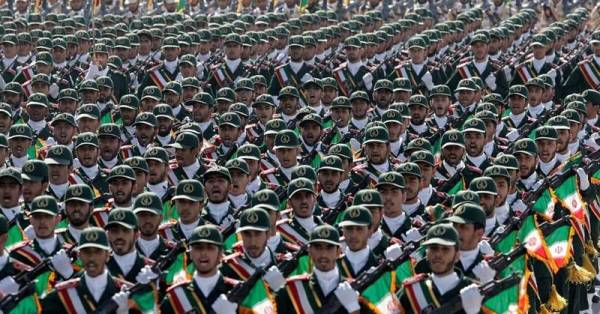
France : has indicated it will back a possible European Union move to classify Iran’s Islamic Revolutionary Guard Corps as a terrorist organisation, a step that marks a clear change from Paris’s earlier caution on the issue. The position aligns France more closely with a growing group of EU members calling for tougher measures in response to Iran’s recent domestic and regional actions.
The announcement reflects a notable recalibration in French foreign policy. For years, Paris had stopped short of supporting the designation, citing concerns that such a move could narrow diplomatic options with Tehran. French officials had previously argued that maintaining open channels was essential for addressing sensitive matters, including negotiations involving European nationals held in Iran.
France’s foreign minister confirmed the new stance in a public message, stating that the country would stand alongside its European partners in supporting the inclusion of the Revolutionary Guard on the EU’s terrorist list. He coupled the announcement with calls for Iranian authorities to release detainees, halt executions, remove restrictions on digital communications, and cooperate with international investigations into alleged rights violations.
The French position comes ahead of discussions among EU foreign ministers, who are expected to approve additional sanctions targeting individuals linked to the suppression of protests in Iran. These measures are likely to include travel bans and asset freezes aimed at officials deemed responsible for violent crackdowns. European leaders have described the recent repression of demonstrators as unacceptable and incompatible with international human rights standards.
France’s shift brings it into line with countries such as Italy and Germany, which have already expressed support for the designation. Under EU rules, the proposal would require unanimous backing from all 27 member states before it could take effect. Diplomats say momentum has been building as frustration grows over Iran’s handling of internal dissent and its broader security posture.
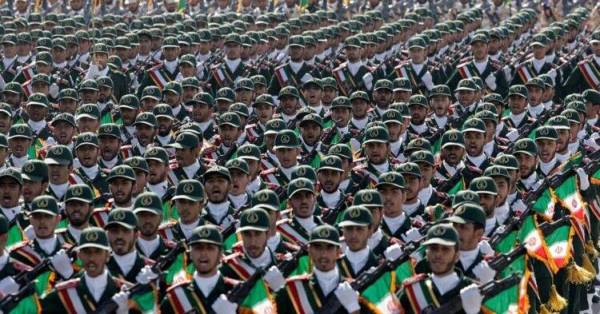
Founded in the aftermath of Iran’s 1979 revolution, the Revolutionary Guard has evolved into one of the most powerful institutions in the country. It holds significant sway over Iran’s military capabilities, including missile development, and has deep involvement in key sectors of the national economy. The force also plays a central role in Iran’s regional activities, which have long drawn criticism from Western governments.
Supporters of the designation argue that the Guard’s involvement in suppressing protests at home and its actions abroad meet the criteria for inclusion on the EU’s terrorism list. Several non-European countries, including the United States, Canada, and Australia, have already taken similar steps. Advocates say a unified European position would strengthen international pressure and send a clear political signal.
Iranian officials have strongly rejected the proposal, describing it as politically driven and warning of serious consequences if it moves forward. Tehran has already summoned at least one European ambassador in protest, underscoring the diplomatic strain the issue has generated. Iranian authorities maintain that the Revolutionary Guard is a legitimate state institution and accuse Europe of double standards.
The debate unfolds against the backdrop of sustained protests across Iran, triggered by economic pressures and long-standing political grievances. These demonstrations have been among the deadliest in recent years, drawing widespread international attention. France’s latest stance suggests a growing belief within Europe that stronger, coordinated measures are needed to address both human rights concerns and broader security challenges linked to Iran’s most influential military body