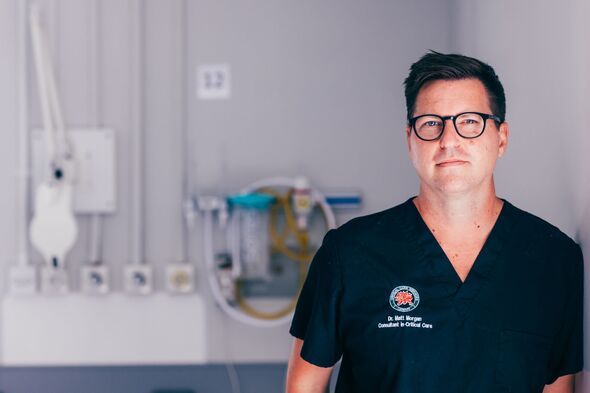
I've seen hundreds of hearts stop. Some flicker back to life. Others remain forever still. For those granted a second shot, Life 2.0 is rarely the same as Life 1.0. I work in intensive care, a place where life is compressed. Where ordinary days become the most extraordinary of someone's life. Where machines hum, hands press on chests, and families wait in corridors hoping for good news to come from bad.
Occasionally, that miracle does arrive. A heart that stopped begins once again. A person who died, gets to live. Those people have crossed back over a line most of us will only cross once. That strange shoreline between life and death. And when they return, they often bring something back with them - not answers about death, but clarity about life.
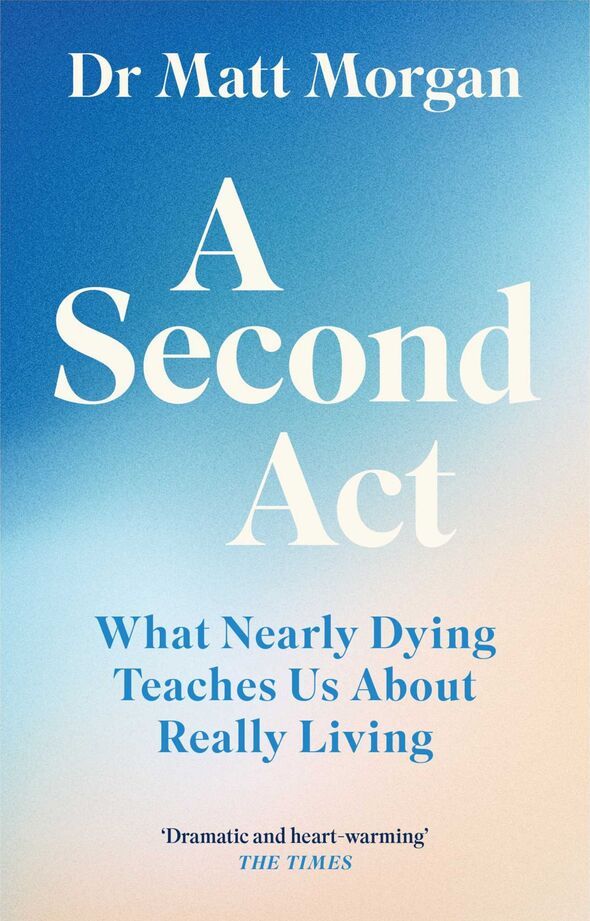
That's why I wrote my third book, A Second Act. Because compared with millionaire business gurus or tech bro influencers, it is these people - those who have survived a cardiac arrest - that we really should be listening to.
Here are six things I've learned...
 1. The moment the heart stops
When someone's heart stops, blood stops flowing to the brain. Oxygen runs out. Cells begin to fail. From the outside, death looks sudden. But inside the body it is more gradual. And so time matters more than anything. Every minute without CPR reduces the chance of survival by around 10%. That's why strangers pressing on chests in parks, kitchens and pubs save more lives than any drug I prescribe.
A stopped heart can arrive from many directions: my book tells the story of lightning strikes, drug overdoses, infections, extreme cold, allergy or just bad luck. And because most cardiac arrests happen at home, you too could save the life of someone you love. Learn CPR today. It is easy. Do it now. You can learn CPR in just 15 minutes using the British Heart Foundation's online CPR training course RevivR.
2. Does life really flash before your eyes?Many survivors describe a surge of memories. Faces. Laughter. Moments they'd forgotten they remembered. It sounds like a cliché - but I have heard this again and again. In 2022, neuroscientists recorded brain activity in a man who unexpectedly died while being monitored. In the seconds around death, his brain showed patterns linked to memory recall and dreaming. Life probably really does flash before your eyes.
One woman told me she saw her parents, her friends, lying on grass on a hot day, laughing. Another described stepping into a warm, bright light that wasn't frightening at all. Others remember nothing - just darkness or peace, or falling asleep. Different stories. Same lesson: when everything is stripped away, what remains is rarely money, status or success. It is people. Moments. Love.
3. Out of body, out of timeSome patients describe watching their own resuscitation from above. Seeing doctors work. Hearing voices. Feeling detached, calm, unafraid. From a medical perspective, these experiences can be explained by oxygen loss and the brain failing in stages rather than all at once. But explanation doesn't cancel meaning.
One man, whose heart stopped for 45 minutes, told me dying felt "just like falling asleep". He wasn't scared. He was briefly sad and then peaceful. Whether you frame these experiences as biological, spiritual or both, they share a striking feature: fear often dissolves. Death, for many, is not what they expected.
Nearly everyone who survives tells me the same thing: "I didn't go back to my old life." They went back to a new one. Careers loosen their grip. Arguments shrink. Time sharpens. People describe waking up. Climbing into their own lives. Living with intent rather than on autopilot. We all have two lives. The second begins when you realise you have only one. Not everyone quits their job or moves by the sea. But most will recalibrate.
They stop waiting. They stop saving things for "someday". They understand that someday is never guaranteed. Life, even outside of the intensive care unit where I work, is always an emergency.
5. What to say when someone diesWorking in intensive care, I also spend a large part of my life with people who don't get a second act and with those left behind. When someone dies, friends often say nothing. They worry about saying the wrong thing. So they say nothing at all. Nothing is often the worst thing to say. You don't need the right words. There are none. You don't need explanations or platitudes or silver linings. You just need presence.Say the name of the person who has died; ask what they were like; ask what's missed; and listen. Because as well as having two lives, we also die twice. The first time when our body dies. The second time when people stop saying our name. Keeping someone alive in language, in stories, memories, shared laughter, is one of the most human things we can do. Silence erases. Speaking remembers.
 6. Lessons for us all
The uncomfortable truth is this: we don't need to nearly die to learn these lessons. But most of us don't act on them until something forces our hand - illness, loss, age, or shock. Those who have nearly died remind us of things we already know, but forget to practise: use the good plates; wear the posh clothes; tell people you love them - now; quit things that drain you; do things badly, for joy; live for moments, not possessions; do hobbies for fun, not just to get better at them.
The real question is not what happens when we die. It is what happens when we realise we're alive. If listening to those who have nearly died helps us live with a little more honesty, kindness and urgency - then their second acts become a gift to the rest of us. And that, perhaps, is the point.
Life is best understood backwards but lived forwards. And funerals are wasted on the dead. That is why I had my own living funeral, to get a perspective on life now that only death can teach you. But then it is too late. It's why I think everyone should have a funeral before they die.