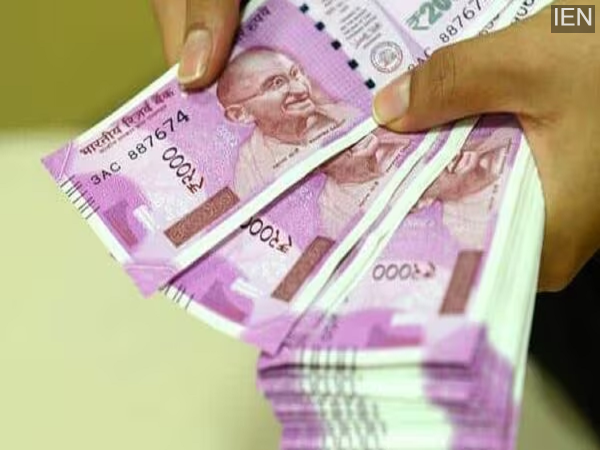
The most important thing is that so far, 98 percent of the ₹2000 notes have been returned to the RBI, while only notes worth ₹5,669 crore remain in circulation.
If you still have a ₹2000 note, using it will become increasingly difficult in the future. In November 2016, the government announced demonetization, under which ₹500 and ₹1000 notes were withdrawn from circulation overnight. This led to a severe cash crunch across the country. To deal with this crisis and increase cash circulation in the economy, the government introduced the high-value ₹2000 note so that people could easily exchange their old notes.
98 percent of notes returned to RBI
By 2018-19, the cash crunch in the country had ended, after which the Reserve Bank of India (RBI) stopped printing ₹2000 notes. Then, in May 2023, the RBI announced the withdrawal of ₹2000 notes under its Clean Note Policy.
Most importantly, approximately 98 percent of the ₹2000 notes have now been returned to the RBI. Currently, only notes worth ₹5,669 crore remain in circulation in the market. Supreme Court Advocate-on-Record B. Shravanth Shankar says that ₹2000 notes will remain legal tender until 2026, but their practical use has significantly decreased.
Do you still have a ₹2000 note?
If you still have a ₹2000 note, it is legally valid. However, since October 7, 2023, the exchange of ₹2000 notes has been stopped at all regular banks. This means you can no longer exchange these notes at a bank.
What are the options now?
However, there is still one option available. You can deposit the ₹2000 notes at one of the 19 designated RBI offices. These offices are located in Bengaluru, Ahmedabad, Bhopal, Bhubaneswar, Chandigarh, Chennai, Guwahati, Hyderabad, Jaipur, Jammu, Kanpur, Kolkata, Lucknow, Mumbai, Nagpur, New Delhi, Patna, Thiruvananthapuram, and Belapur.
Although the ₹2000 note is still legal tender, its circulation has practically ceased. Therefore, for those who still possess these notes, depositing them through the RBI offices remains the only practical option.