TradeDeal – The United States and Bangladesh have formalized a comprehensive reciprocal trade agreement, marking a significant development in economic ties between the two countries. The legally binding pact sets out tariff structures and outlines commitments on market access, labor protections, digital commerce, and broader economic cooperation.
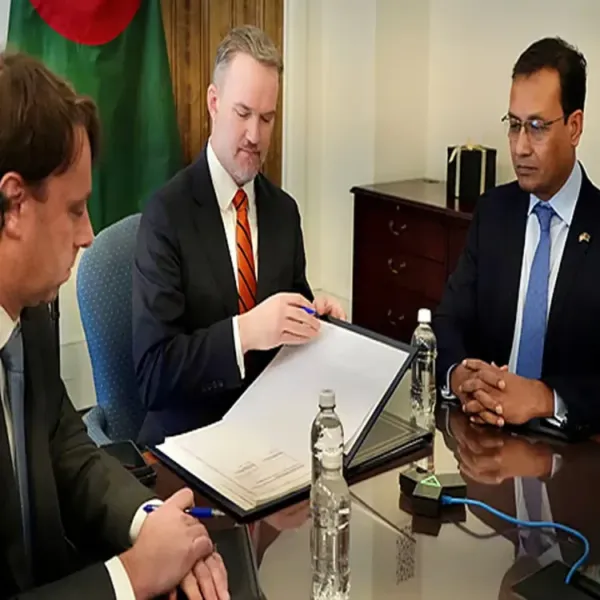
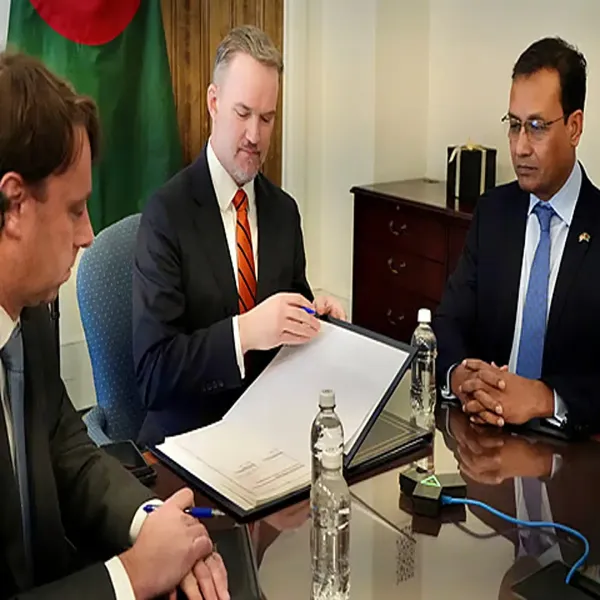
The agreement was signed in Washington by US Trade Representative Jamieson Greer and Bangladesh’s adviser overseeing commerce, textiles and jute, and civil aviation and tourism, Sheikh Bashir Uddin. According to the Office of the United States Trade Representative, the accord represents the first reciprocal trade arrangement concluded by the United States with a South Asian nation.
Under the new framework, Bangladesh will grant preferential access to a wide range of US industrial and agricultural products. The list includes chemicals, machinery, medical equipment, energy products, soybeans, dairy items, poultry, beef, tree nuts, and fresh fruit.
US officials described the deal as a step toward reducing longstanding barriers faced by American exporters. Jamieson Greer said the agreement aims to create measurable outcomes for US workers and businesses, highlighting its focus on expanding overseas markets and addressing tariff and regulatory obstacles.
In return, the United States will introduce reciprocal tariff rates on Bangladeshi imports according to a defined schedule. Most additional duties are capped at 19 percent, except for certain goods specified in the agreement.
Beyond tariffs, the pact contains provisions targeting non-tariff barriers that have affected trade flows. Bangladesh has committed to recognizing US regulatory standards in sectors such as automobiles, medical devices, and pharmaceuticals. The agreement also calls for acceptance of US safety and inspection systems for agricultural goods.
Officials said these measures are intended to streamline approval processes and reduce compliance burdens for exporters on both sides. By aligning certain regulatory frameworks, the two countries aim to facilitate smoother cross-border trade.
A significant portion of the agreement focuses on labor standards. Bangladesh has pledged to safeguard internationally recognized labor rights and to strengthen enforcement of its domestic labor laws. The pact explicitly prohibits the importation of goods produced wholly or in part through forced or compulsory labor.
The labor chapter also addresses practices within export processing zones and outlines reforms connected to previous unrest in Bangladesh’s garment sector, a key contributor to the country’s economy. US officials indicated that these commitments are designed to improve working conditions and ensure compliance with global labor norms.
Digital commerce forms a separate section of the agreement. Bangladesh agreed not to introduce discriminatory digital services taxes and to allow cross-border data transfers for legitimate business activities. The country also endorsed maintaining a permanent moratorium on customs duties for electronic transmissions.
These provisions reflect growing attention to digital trade rules in modern trade agreements, as businesses increasingly rely on data flows and online services for international operations.
The trade pact also links economic measures to broader national security coordination. Bangladesh has committed to working with the United States on export controls, enforcement of sanctions, and supply chain security. Additionally, it agreed to limit certain technology and defense procurements from countries considered security risks by Washington.
Commercial annexes attached to the agreement outline Bangladesh’s plans to expand purchases of American goods. These include agricultural commodities such as wheat, soybeans, and cotton, as well as long-term imports of US liquefied natural gas. The country also signaled interest in increasing acquisitions of US civilian aircraft and military equipment.
The agreement will take effect 60 days after both governments complete their respective domestic legal procedures. Either side retains the right to withdraw from the pact with 60 days’ written notice.
According to a US government fact sheet, the United States recorded a goods trade deficit of $6.1 billion with Bangladesh in 2024. Officials view the reciprocal trade framework as part of a broader strategy to address trade imbalances while strengthening economic partnerships.
In recent months, the United States has pursued similar reciprocal trade arrangements with several countries, reflecting an emphasis on market access, enforceable commitments, and strategic cooperation.