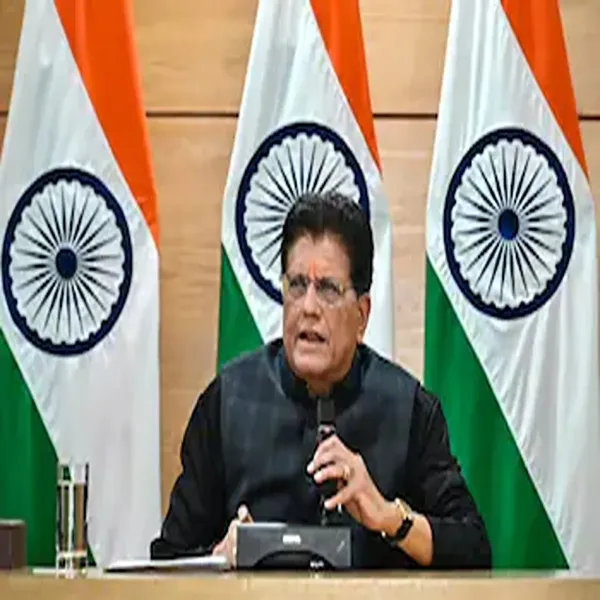
TradeDeal – Union Commerce and Industry Minister Piyush Goyal on Tuesday voiced optimism about the future of India-US relations, saying the partnership is poised for significant progress following the announcement of an interim trade agreement between the two nations.
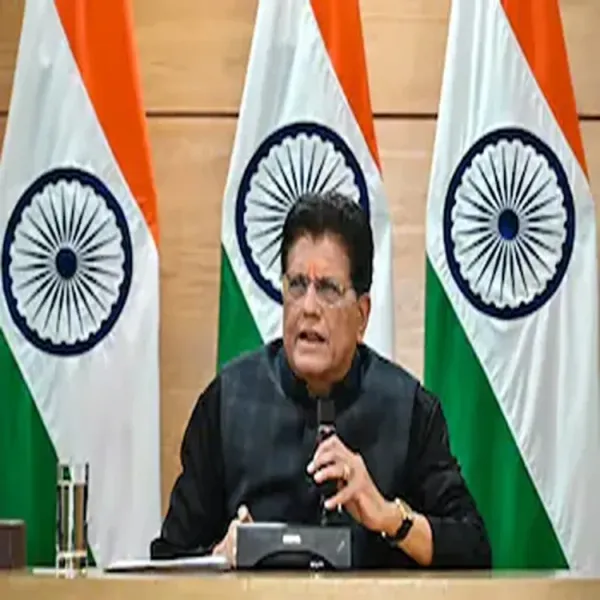
Speaking after attending a welcome reception for Sergio Gor at the US Embassy in New Delhi, the minister said the evolving trade framework would deepen economic ties and open fresh avenues for collaboration. In a message shared publicly, he described the engagement as a positive step toward expanding cooperation between the two strategic partners.
The interim India-US Bilateral Trade Agreement, announced on February 7, establishes a temporary framework while negotiations continue toward a comprehensive Bilateral Trade Agreement (BTA), formally initiated in 2025. Officials view the interim arrangement as a practical step designed to maintain momentum in trade discussions while broader negotiations are underway.
Under the terms outlined so far, the United States will apply a reciprocal tariff rate of 18 percent on selected Indian exports. The list of affected products includes textiles, apparel, leather goods, plastics, chemicals, and certain categories of machinery. The move is being positioned as part of a structured approach rather than a standalone measure.
Government representatives have indicated that the interim pact lays down a pathway for potential tariff adjustments in the future. The framework provides scope for removing reciprocal duties on a wider basket of goods once the interim trade agreement is fully concluded and agreed benchmarks are met.
Beyond tariff provisions, the agreement framework addresses several structural aspects of bilateral trade. Both countries have committed to working on reducing non-tariff barriers that often complicate cross-border commerce. Clearer rules of origin are also expected to be developed, ensuring transparency and predictability for businesses operating in both markets.
Supply chain resilience has emerged as another shared priority, particularly in light of recent global disruptions. Policymakers from both sides are looking at mechanisms to diversify sourcing and strengthen production networks. In addition, discussions are underway to shape modern digital trade rules, reflecting the growing importance of data flows and technology-driven services in the global economy.
Officials familiar with the negotiations describe the interim deal as a confidence-building measure that keeps dialogue active while more complex issues are addressed in the broader BTA talks.
Separately, Goyal met Henry Kravis, Co-Founder and Co-Executive Chairman of KKR, one of the world’s leading investment firms. The conversation centered on KKR’s experience in India and the scope for expanding its presence in sectors aligned with the country’s growth strategy.
According to the minister, the interaction underscored India’s reform-led economic trajectory and its attractiveness to long-term global investors. Over the past decade, policy reforms, infrastructure development, and a focus on ease of doing business have been key themes highlighted by the government in its outreach to international capital.
Market analysts note that sustained engagement with global investment firms reflects broader efforts to position India as a reliable and stable destination for foreign investment. As trade discussions with major economies progress, officials believe that policy clarity and institutional reforms will remain central to attracting capital inflows.
The recent meetings and policy developments signal a coordinated push to reinforce India’s global trade relationships while advancing domestic economic priorities. With the interim trade pact serving as a stepping stone toward a comprehensive agreement, both New Delhi and Washington appear committed to expanding economic cooperation in a structured and phased manner.
As negotiations continue, stakeholders in industry and trade are closely watching how the interim measures translate into long-term arrangements. For now, policymakers maintain that the evolving trade framework and ongoing investor engagement represent important milestones in the strengthening of India-US economic ties.