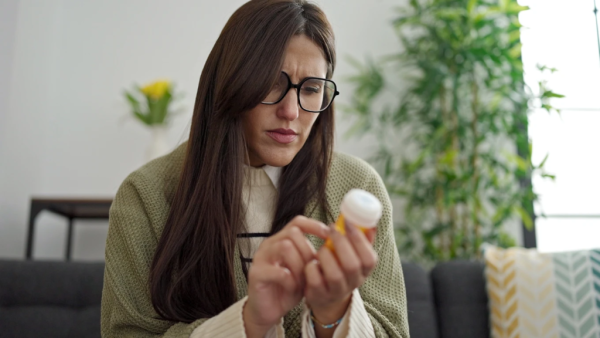
When it comes to healthcare, men and women are often treated differently, especially when it comes to pain. That seemed to be the case for a woman named Jessica, who took to Instagram Threads to compare the differences in medication that both she and her husband were prescribed after having serious medical procedures.
The long-running conversation about how women’s pain is often minimized was seemingly reignited by Jessica comparing her and her husband’s treatment. Healthcare in the U.S. has rightly been criticized in recent years for skyrocketing costs and inadequate care. Women’s healthcare specifically is in even more dire straits.
“My husband just had a vasectomy and was prescribed Percocet, but when I delivered a >99.9 percentile baby and tore through, it was Motrin. Someone explain this to me,” Jessica revealed in her Threads post.
In the comments section, people were quick to interject with their thoughts, especially other women. Many shared similar experiences, saying they were sent home with nothing more than over-the-counter pain medication for procedures ranging from childbirth to other invasive medical treatments.
Others were also quick to point out how common it is for women to be told that the pain they’re experiencing is normal when it doesn’t feel normal at all. Jessica’s post definitely struck a nerve because of how blatantly it shows the difference between men and women’s care.
: Doctor Says This Women-Specific Health Problem Is The ‘Greatest Single Failure Of The Modern Medical System’
The 2024 KFF Women’s Health Survey on women’s experiences grappled with the disrespectful and unfair treatment, as well as negative interactions with providers during health care visits that women have had to deal with in the last two years. The majority of women (95%) and men (87%) ages 18 to 64 reported having seen a health care provider, either in-person or via telehealth, over the past two years.
Nearly one in four women (23%) reported that a doctor, health provider, or other staff member has treated them unfairly or with disrespect, a figure that is significantly higher than that of men (18%). Women of reproductive age (18 to 49), women with lower incomes, LGBTQIA+ women, and women who identify as disabled were also more likely to report that they have been treated unfairly or with disrespect.
Wasana Kunpol | Shutterstock
The gender disparities in the healthcare system are quite frustrating, especially when the lives of women are on the line because of the bias. There’s so much exhaustion that comes with gearing up for a doctor’s appointment because, as a woman, you want to be taken seriously. While speaking with Duke Health, Denise Davis, MD, admitted that there are certain practices doctors can do to help alleviate this bias.
Some of those tips included better training, asking open-ended questions of the patient to better understand the issue at hand, and having diverse healthcare teams that actually look like the patients they care for. At the end of the day, women shouldn’t have to fight tooth and nail to be heard about their pain levels.
: CEO Offers First-Of-Its-Kind Unlimited Sick Days Exclusively For Women
Nia Tipton is a staff writer with a bachelor’s degree in creative writing and journalism who covers news and lifestyle topics that focus on psychology, relationships, and the human experience.