Winter is at last coming to an end, making way for the milder days of spring. As temperatures shift, pollinators start to nest and reproduce.
If you're hoping to welcome bees into your garden, creating an inviting environment for them is crucial. Morris Hankinson, Managing Director of Hopes Grove Nurseries, reveals that British gardeners can support thriving bee populations with just five plant varieties.
He explained: "Despite interest soaring, bee activity often doesn't match what's floweringin our gardens and many people aren't aware of the simple garden tasks that can protect them.
"If nectar isn't available in March and early April, colonies can be weakened before the season has properly begun."
This is precisely why getting these plants in the ground before April is vital, giving bees their optimal chance of survival, reports the Express.
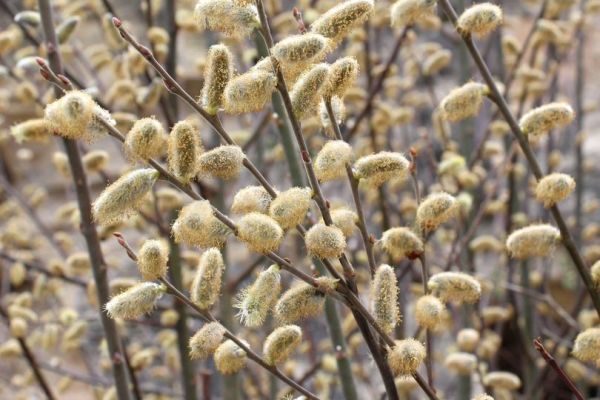
Goat Willow (Salix caprea)These shrubs produce pollen-laden catkins during early spring. Their premature flowering makes them a crucial food source for queen bumblebees, which start searching for nourishment in March as spring arrives.
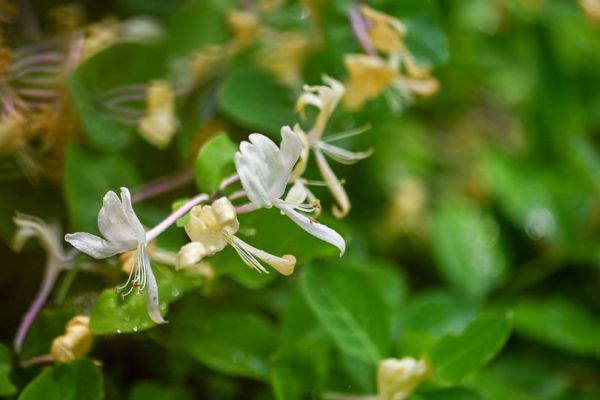
 Honeysuckle (Lonicera periclymenum)
Intensely fragrant and nectar-packed, honeysuckle appeals to both humans and bees.
It can climb trellises or grow as shrubbery depending on the variety you choose, and will fill your outdoor space with a gorgeous soothing aroma.
 Lungwort (Pulmonaria officinalis)
These plants provide excellent ground coverage in your borders.
They bloom early and prolifically, which is wonderful for any visiting pollinators.
Hawthorn (Crataegus monogyna)Birds are partial to the berries from hawthorn, and pollinators adore their flowers, making this an ideal choice for a wildlife-rich garden. It forms an excellent hedge and blooms in spring for a stunning display.
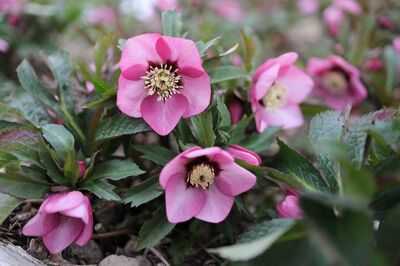
Hellebores (Helleborus orientalis)These plants bloom from late winter into early spring when nectar is hard to come by. This provides a much-needed boost for pollinators and ensures they'll keep returning to your garden.