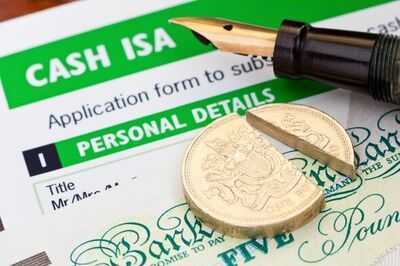
A change coming to Cash ISAs will hit savers with a whopping £9,349 tax bill, financial experts have warned.
Cash ISA limits reset each tax year, with the new limit in play again from April 6, 2026. This year, the amount is still being held at £20,000, meaning savers can deposit that amount tax-free in an ISA before April 5, 2027.
But from April 6, 2027, Chancellor Rachel Reeves' plan to slash Cash ISA limits will come into effect, reducing the amount that savers under 65 can put into a Cash ISA from £20,000 down to just £12,000. The other £8,000 must be put into a Stocks and Shares ISA instead under the new rules, or simply held in taxable savings accounts for those not willing to invest.
According to Laura Suter, director of personal finance at AJ Bell, the decision to hack away at the Cash ISA limits for those under 65 will 'lead to bigger tax bills for the nation'.
She stressed that despite the government's plan to push people to invest, 'in reality many people will just leave their money in non-ISA accounts and so pay tax on their savings interest.'
She told the Express: "AJ Bell research found that if the Cash ISA allowance was cut, most Cash ISA savers (51%) would simply stick the money in a taxable savings account.
"If they did this they would be landed with a juicy tax bill after a number of years. Someone who usually paid the full £20,000 into their Cash ISA, who was then limited to £12,000 from April 2027, would find themselves with £8,000 of cash looking for a home. If they popped it into a non-ISA cash account they'd face tax on their savings interest once they breach their personal savings allowance - while additional-rate taxpayers would pay tax on all their savings interest, as they get no tax-free savings allowance."
Ms Suter added that, over the years following the change, the amount of money lost to tax 'really adds up'.
She continued: "If you look at one year alone, and assume 4% interest on the cash, it doesn't represent a huge sum of interest: just £320. This means it's covered by the personal savings allowance for both basic-rate and higher-rate taxpayers, assuming they have no other taxable savings, and lands additional-rate taxpayers with a £150 tax bill. But over a number of years the tax bill really adds up.
"Over five years the total bill for an additional-rate taxpayer is £2,380 and over 10 years it totals a whopping £9,349 extra in tax. Even a basic-rate taxpayer, who gets a £1,000 tax-free allowance each year for their savings interest, will see a £240 tax bill after five years and a chunky £2,402 bill over the 10 years.
"These figures lay bare the personal cost to individuals of the Budget changes. While it's being badged up as trying to incentivise people to get into investing, in reality the move is also likely to be a huge cash cow for the government, as they rake in more tax on people's savings. Interestingly in the Budget, the potential revenue generated from the Cash ISA changes was wrapped up with other Budget measures, meaning it's not clear how much the government expects to get in extra tax."
Those who are looking to avoid being stung for extra tax should consider investing.
She added: "While the ISA allowance will be slashed for cash, it will remain at the full £20,000 for investments. We know that we're a nation of cash lovers, and many people have more cash than they need. FCA data shows that since 2021 the number of people holding more than £10,000 in investible assets wholly or mainly in cash has risen from 8.4 million to 11.8 million.
"But savers should at least consider investing, to see if it's right for them. Recent research from AJ Bell found that investing £1,000 each year since 1999 in the average IA Global sector would now be worth £92,349 versus just £36,290 in the average Cash ISA - a difference of £56,059. So those sticking to cash could be leaving themselves much poorer over the long term. That's not to say that everyone should ditch cash: some people prefer the security of knowing their money is safe from market fluctuations, while others need a short-term home for their money or easy-access savings. But being in cash should be a conscious decision, rather than unthinkingly hoarding it."