National Savings and Investments (NS&I) is preparing to hand back up to £400 million to around 37,000 savers whose money was misplaced in a major scandal that has left hard-working taxpayers facing the bill. The Government-backed savings giant, which holds £240 billion for more than 24 million customers, is in urgent talks with the Treasury over the payout, expected to be the largest in its 160-year history.
The exact sum is still being finalised, but sources indicate it could reach £400m after years of systemic failings that saw life savings lost, bereaved families denied access to funds, and Premium Bond prizes withheld. Treasury officials are working through the "very complex issue", with the bill likely to fall on the taxpayer. The Treasury provides 100% backing for NS&I deposits, meaning any shortfall comes directly from public funds.
The scandal was first exposed by The Telegraph on Tuesday, revealing chronic chaos in NS&I's payout systems and bereavement services. Families of deceased savers were forced to hire lawyers to recover money the institution had simply lost track of. Dozens of readers contacted the paper with similar stories, some now considering legal action or withdrawing their savings.
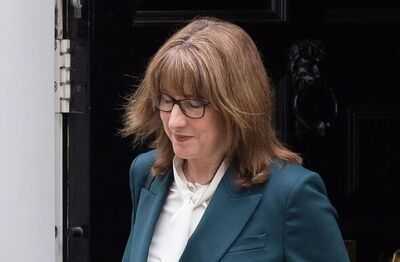
Pensions minister Torsten Bell is due to update the House of Commons on Thursday and is said to be furious at the scale of the failures. NS&I boss Dax Harkins now finds himself on a collision course with Chancellor Rachel Reeves, whose department oversees the executive agency.
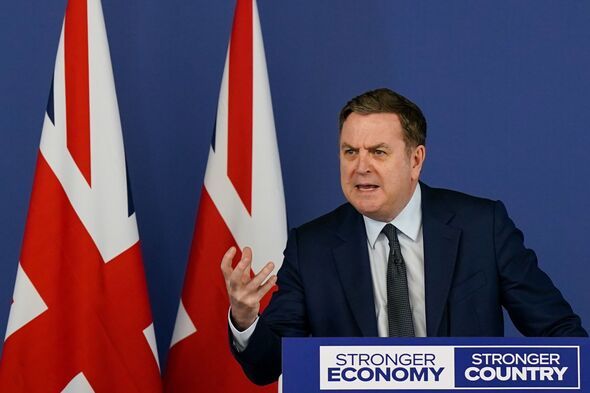
Opposition politicians reacted with anger. Shadow chancellor Sir Mel Stride said: "Hard-working taxpayers could be asked to pick up the bill for what appears to be a staggering failure of oversight. The idea that £400m of taxpayers' cash may now be needed to put right years of mismanagement is deeply alarming."
Reform's Treasury spokesman Robert Jenrick called it "incompetence on a staggering scale", demanding Reeves explain how it happened and who will be held accountable. Shadow business secretary Andrew Griffith criticised "arms-length bodies" that repeatedly fail while taxpayers foot the cost.
The timing is particularly awkward for the Chancellor. Ms Reeves is already under pressure to control spending as the conflict in Iran threatens higher inflation and reduced fiscal headroom.
She is simultaneously assembling a separate bailout package for households facing soaring energy bills linked to the same Middle East crisis.
The revelations pile further pressure on Mr Harkins, who has also faced criticism over the spiralling £3 billion cost of NS&I's "Project Rainbow" IT modernisation programme, branded a "full-spectrum disaster" by the public accounts committee last month.
Mr Harkins, who earns around £325,000 a year, has been chief executive since April 2023 after rising through the ranks from the sales department.
From April, NS&I is cutting its Premium Bond prize fund rate from 3.6% to 3.3% and lengthening the odds of winning, moves expected to save the bank more than £400m annually - a figure that will do little to ease public anger over the current debacle.
NS&I was founded in 1861 as the Post Office Savings Bank to offer secure savings while funding government spending. It launched Premium Bonds in 1956 and rebranded in 2002.
An NS&I spokesman said: "We recognise that dealing with bereavement can be challenging and would like to apologise to anyone who has not received the customer service from NS&I that they should expect, particularly at such a sensitive time."
The affair has raised fresh questions about accountability at the taxpayer-backed institution and whether ministers will now demand tighter oversight.